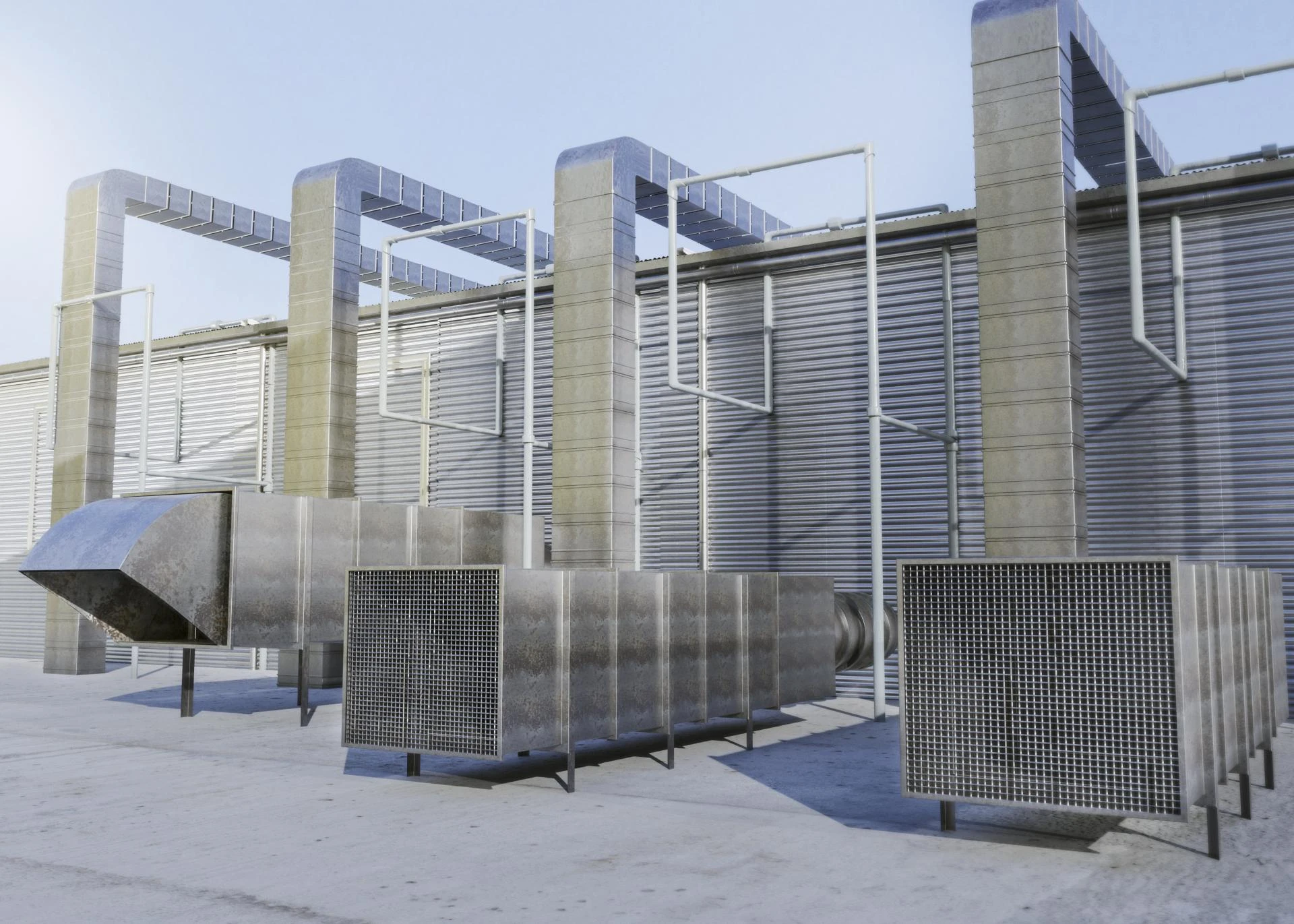

Many people take a comfortable working environment for granted, but it doesn’t happen by chance. Fresh air, the right temperature, and the absence of harmful fumes are all key elements that create a productive workplace. Industrial ventilation systems are crucial in maintaining these conditions. They circulate clean air and remove impurities, improving air quality, ensuring safety, and promoting better employee health and wellbeing.
In any work environment, poor air quality can be harmful, leading to low productivity and discomfort. Whether it's a factory, office, or any other workspace, ventilation systems help businesses create healthier and safer environments while adhering to regulations.
Understanding Building Code Ventilation Requirements
In Australia, the National Construction Code (NCC) provides guidelines for the design and construction of commercial buildings. The code mandates that buildings must have natural ventilation, and where necessary, a mechanical ventilation system. Openable windows should cover at least 5% of the floor area in a room.
In addition to the NCC, Safe Work Australia outlines ventilation regulations for buildings that may generate airborne contaminants. Safe Work’s rules ensure that employees are not exposed to harmful substances. These exposure limits are divided into three categories:
- 8-hour time-weighted average: This is the average airborne concentration over an 8-hour workday.
- Peak limitation: The maximum concentration allowed over a short period, not exceeding 15 minutes.
- Short-term exposure limit: The average concentration allowed over a 15-minute period.
These standards ensure the safety of employees and are updated regularly to keep up with new health and safety research. The new workplace exposure limits are scheduled to come into effect on December 1, 2026.
Benefits of Industrial Ventilation Systems
Industrial ventilation systems are essential for maintaining a safe and comfortable work environment by improving air quality, removing pollutants, and regulating temperature. These systems help ensure employee health, meet regulatory standards and reduce energy costs. Here, are the key benefits of industrial ventilation systems and their role in creating a healthier, more productive workplace:
- Improved Air Quality: Ventilation systems significantly improve air quality by circulating fresh air and filtering out pollutants. This not only boosts employee health but also reduces the risk of respiratory issues, allergies, and other conditions triggered by poor air quality.
- Removal of Harmful Fumes and Impurities: In industrial environments, fumes from processes like welding, grinding, or chemical use can be harmful. A good ventilation system ensures these impurities are removed, preventing them from polluting the air and ensuring a safer working space.
- Regulation Compliance: Many industries are required to follow strict air quality regulations. Ventilation systems help businesses meet these laws, ensuring they maintain safe levels of air quality and avoid fines or penalties.
- Temperature Control: When many people are working in close quarters, the air can become stuffy and uncomfortable. Ventilation systems circulate fresh air and remove warm air, creating a more comfortable temperature, particularly in the summer.
- Prevention of Damp and Mould: Without proper ventilation, moisture can accumulate, leading to the growth of mould and mildew. This can cause property damage and health issues. Proper ventilation helps control humidity levels, reducing the risk of dampness and mould buildup.
- Energy Efficiency: A good ventilation system helps improve energy efficiency. When windows are kept open for fresh air, heat is often lost, leading to higher energy bills. With a mechanical ventilation system, businesses can maintain optimal temperatures without wasting energy.
Natural vs. Mechanical Ventilation Methods
Ventilation is essential for maintaining air quality in industrial and commercial spaces. There are two primary types of ventilation: natural and mechanical. Both offer unique advantages and are designed to meet different requirements of a building. Let’s explore the key differences between these two ventilation methods:
- Natural Ventilation: Natural ventilation relies on windows, vents, and other openings to allow airflow into and out of a building. This is simple and cost-effective, but it may not be sufficient in industrial or commercial settings where air quality control is critical.
- Mechanical Ventilation: For more controlled environments, mechanical ventilation systems, such as HVAC systems, exhaust fans, and air filters, are used. These systems regulate airflow and remove contaminants more efficiently, ensuring a consistent and healthy air environment.
Types of Ventilation Systems for Commercial Buildings
Ventilation systems are crucial for maintaining air quality and comfort in commercial buildings. They help regulate temperature, remove pollutants, and provide fresh air. There are several types of ventilation systems used in commercial settings, each with its specific purpose and application. Here’s an overview of the main types:
- Fume Extraction Systems: These systems are designed to remove harmful fumes produced by industrial activities like welding or grinding. Placed close to the source of the fumes, these systems efficiently remove them before they can contaminate the air.
- HVAC Systems: HVAC (Heating, Ventilation, and Air Conditioning) systems are essential for commercial spaces. These systems manage temperature, humidity, and air quality, ensuring comfort and safety. Many commercial buildings benefit from a well-designed HVAC system that helps reduce pollutants and maintain a pleasant atmosphere.
- Dust Extraction Systems: Industries that produce invisible dust particles need dust extraction systems. These systems prevent dust from lingering in the air, maintaining a clean and safe environment for employees.
The Role of Commercial Air Conditioning and Maintenance
In commercial buildings, commercial air conditioning systems are vital for maintaining a comfortable temperature. Proper commercial air conditioning installation ensures that your building has the right equipment for efficient cooling and heating. Along with installation, regular commercial air conditioning maintenance is necessary to keep the systems running smoothly and avoid breakdowns.
When a commercial breakdown service is needed, quick and effective repairs are essential to prevent disruptions in the workplace. Routine maintenance also extends the lifespan of the equipment, saving costs on repairs and replacements in the long run.
Conclusion
Industrial ventilation systems play a vital role in creating safe, comfortable, and productive workplaces. Whether through natural ventilation or more advanced mechanical ventilation systems, these systems help businesses improve air quality, meet regulatory standards, and enhance energy efficiency. For businesses with specific needs like air conditioning, regular maintenance, and system installation, investing in high-quality HVAC systems and related services is crucial for long-term success.
































Sign in to leave a comment.