
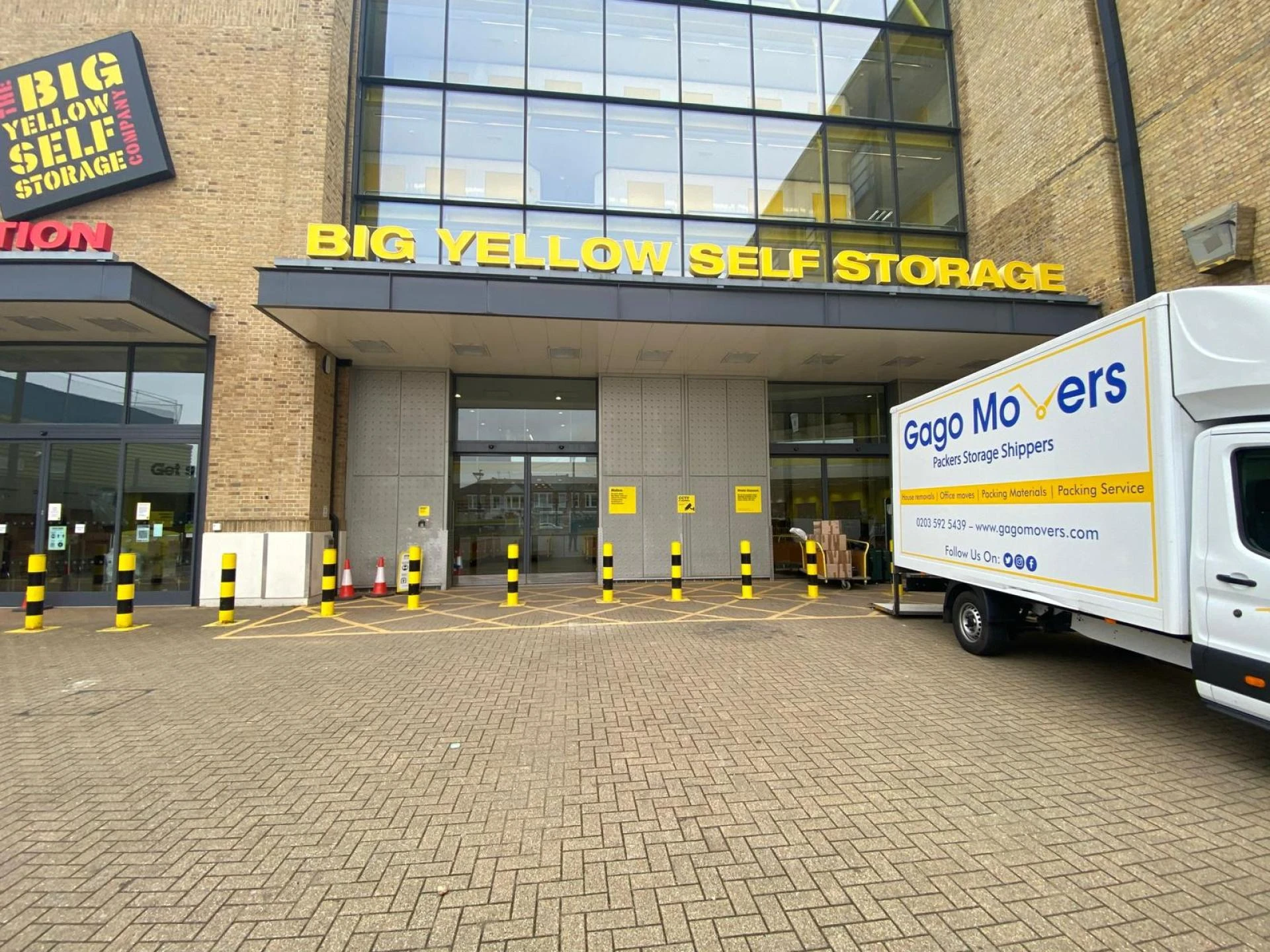
Moving in London needs more planning than in other cities. Busy streets, limited parking, and apartments with narrow stairs can make even small moves difficult. Knowing about transport options, parking rules, and apartment layouts can help the moving day go much better.
Understanding London Transport on Moving Day
London has constant traffic, bus lanes, and time-restricted loading zones. These can affect the timing of your move and where a van is allowed to stop. Booking a van that understands local restrictions helps avoid fines and delays. Many roads only allow loading during certain hours, and some require advance permits. Checking these rules a day before moving keeps the process running smoothly.
Public transport also plays a role. If travelling separately from the moving van, it’s often faster to use the Tube or Overground while the movers handle the boxes. Trains avoid traffic entirely, which helps you arrive on time to unlock the property or meet building management.
Parking Rules You Must Know
Parking is one of the biggest challenges on moving day. In busy areas, you may need a temporary suspension for a parking bay or permission to use a loading space. Borough councils issue these permits, and each has different rules and fees. Booking early avoids situations where the moving van has to park far from your front door, which slows everything down.
If living in a Controlled Parking Zone, moving vans may only stay for a short period without a permit. Clear access is important, especially for larger furniture. Taking five minutes to plan this step can save hours of unnecessary lifting.
What to Expect When Moving Into a Flat
Many London homes are flats, often with narrow staircases, sharp turns, and minimal lift access. This is where Flat Removals becomes essential. Movers familiar with these layouts know how to handle bulky items safely and protect walls and doors while navigating tricky spaces. They also know how to plan the order of the move, starting with larger pieces first to avoid crowding the stairs or hallways.
Buildings with small lifts often have weight or size limits, meaning large items may need to be carried manually. Professional movers are trained for this and use equipment like straps, padding, and corner protectors to prevent damage.
Dealing With Stairs
Stairs are a normal part of London moving, especially in older buildings. Count the floors before moving day, check stair width, and measure bigger furniture pieces. Sofas, wardrobes, and beds sometimes need dismantling to fit through stairwells. Communicating these details early helps movers come prepared with tools and protective gear.
For anyone moving alone or with minimal help, taking stairs slowly and using proper lifting techniques reduces the risk of injury. Wearing shoes with a good grip is also important, particularly on polished or worn steps.
Packing, Unpacking, and How to Stay Organised
Keeping items organised makes a massive difference in flats since space is limited. Using sturdy boxes, bubble wrap, and labels helps keep everything accessible. Many people choose Packing and Unpacking Services because professionals work faster, wrap fragile items securely, and set up essentials in the new home right away.
Packing room by room keeps things simple. Separating fragile items and marking them clearly ensures they’re given extra care. Unpacking is equally important; it prevents clutter from piling up in a small flat and helps you settle in quicker.
Making Your Move Easier
Planning ahead is the safest way to handle a move in a busy city. Preparing for limited parking, small staircases, and strict transport rules avoids stress and last-minute surprises. With the right timing, proper packing, and movers experienced with London streets, moving into your new home becomes far more manageable.
To sum up, moving in London involves understanding transport restrictions, planning for parking, preparing for flat layouts with narrow stairs, and staying organised through proper packing. Using professional Flat Removals and Packing and Unpacking Services helps simplify the process and ensures a safe, efficient move.






























Sign in to leave a comment.