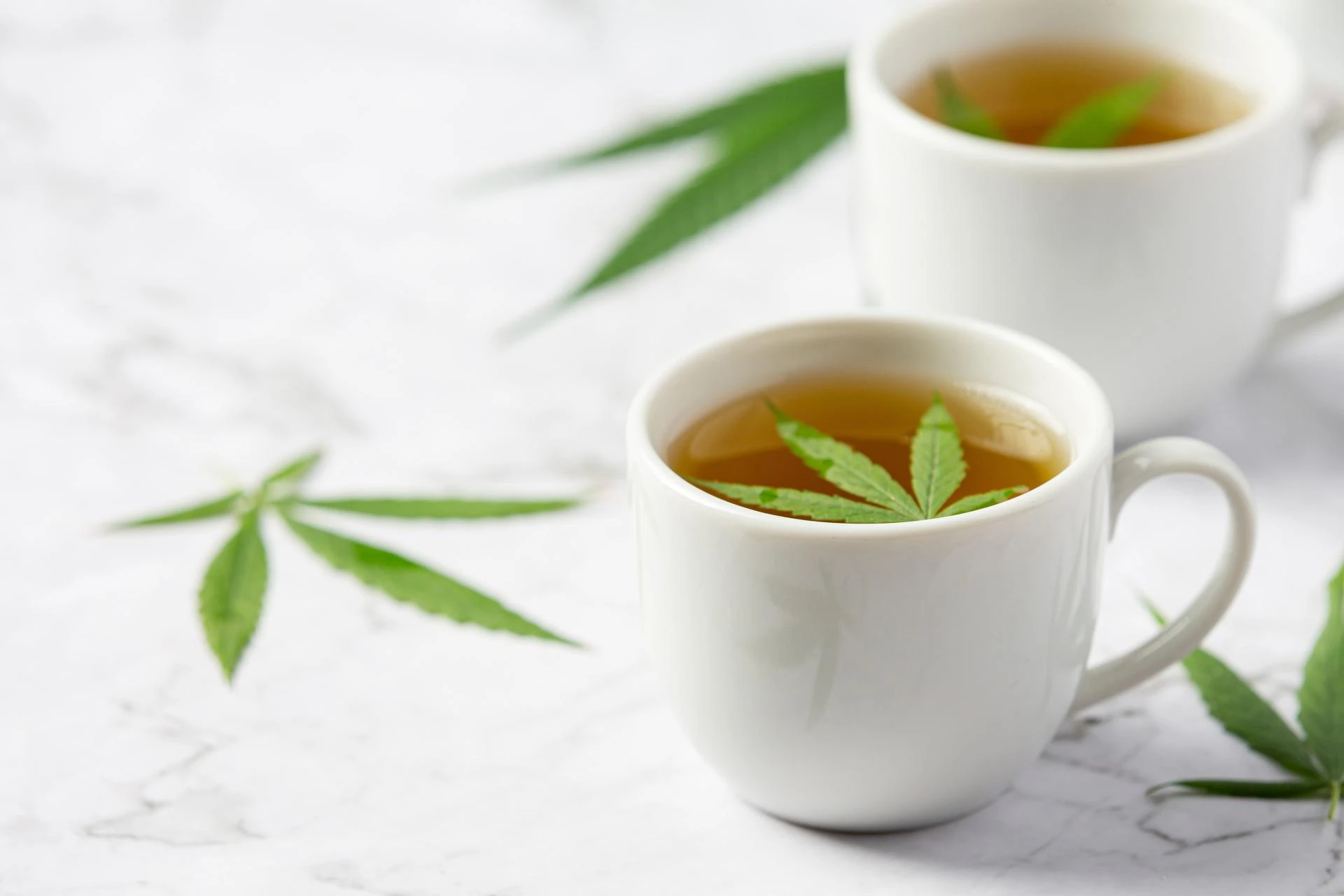

Herbal teas have been cherished for centuries across various cultures for their healing properties and delightful flavors. Unlike traditional tea made from the Camellia sinensis plant, herbal teas are infusions made from dried herbs, flowers, fruits, or spices. Whether you're seeking relaxation, digestion support, or a natural energy boost, there’s likely a herbal tea to suit your needs. This guide is perfect for beginners who want to explore the world of herbal teas and understand how different types can benefit health and wellness.
What is Herbal Tea?
Herbal tea refers to a blend of plant materials steeped in hot water to extract natural flavors and beneficial compounds. These are caffeine-free (unless blended with true tea leaves) and come in various types—floral, fruity, spicy, or earthy.
Popular around the globe, herbal teas are consumed not only for taste but also for their medicinal benefits, with each ingredient offering unique therapeutic properties.
Why Choose Herbal Tea?
Herbal teas are valued for being:
- Caffeine-free: Ideal for those avoiding stimulants.
- Rich in antioxidants: Helps fight oxidative stress.
- Digestive aids: Many blends support gut health.
- Immune boosters: Packed with natural vitamins and minerals.
They offer a natural alternative to sugary drinks and caffeinated beverages, and many people use them as part of a wellness or detox routine.
Different Types of Herbal Teas and Their Benefits
Let’s explore some of the most popular and beneficial herbal teas.
1. Chamomile Tea: The Calming Classic
Chamomile tea is known for its gentle, soothing nature. It's a go-to remedy for sleepless nights and stress relief.
Benefits:
- Promotes sleep
- Reduces anxiety
- Eases digestive discomfort
2. Peppermint Tea: The Refreshing Healer
Peppermint tea is refreshing and invigorating, often used to ease stomach issues.
Benefits:
- Relieves bloating and gas
- Reduces headaches
- Acts as a natural decongestant
Exploring Special Herbal Teas
In recent years, new herbal teas have gained popularity due to their unique ingredients and compelling health benefits.
3. Blue Pea Flower Tea: The Vibrant Superdrink
Also known as butterfly pea tea, Blue Pea Flower Tea is a stunning herbal infusion that changes color when lemon is added. Its benefits are as vibrant as its hue.
Benefits:
- Rich in antioxidants like anthocyanins
- Supports skin and hair health
- Helps improve memory and brain function
- Anti-inflammatory and anti-diabetic properties
The visual appeal of this tea makes it a favorite for wellness enthusiasts and mixologists alike.
4. Hibiscus Herbal Tea: The Heart Helper
Tart and fruity in flavor, Hibiscus Herbal Tea is made from the petals of the hibiscus flower and has long been used in traditional medicine.
Benefits:
- Lowers blood pressure
- Supports cardiovascular health
- Boosts liver function
- Loaded with vitamin C
Its ruby-red color and refreshing taste make it a fantastic iced beverage for warm days.
5. Green Tea for Detox: A Wellness Staple
Though not purely herbal, Green Tea for Detox is often blended with herbs like dandelion, lemongrass, or moringa to enhance its cleansing properties.
Benefits:
- Aids digestion
- Promotes weight loss
- Flushes out toxins
- Improves metabolism
This blend is especially popular among those following detox or intermittent fasting routines.
6. Mango Tea: The Fruity Delight
Infused with real mango or mango flavoring, Mango Tea is a fruity, exotic tea that may be paired with herbs or black/green tea bases.
Benefits:
- Uplifts mood with its tropical flavor
- Rich in vitamin C and antioxidants
- Helps boost digestion
- Can be enjoyed hot or cold
Perfect for a refreshing afternoon pick-me-up or a dessert-like tea experience.
How to Brew Herbal Tea Properly
To enjoy the full benefits of herbal tea, proper brewing is essential.
Step-by-Step Brewing Guide:
Step 1: Choose Quality Ingredients
Opt for loose-leaf teas or whole dried herbs when possible. They offer better flavor and higher potency than tea bags.
Step 2: Use Fresh Water
Always use fresh, cold water. Avoid reboiled or pre-heated water as it reduces oxygen content and affects flavor.
Step 3: Heat Water According to the Tea
Unlike green or black teas, herbal teas are more forgiving. Boiling water (100°C/212°F) is typically suitable for most herbal blends.
Step 4: Steep Correctly
Steep your herbal tea for 5–10 minutes, depending on the blend. Delicate flowers (like chamomile) may require less time, while roots (like ginger) may benefit from longer infusions.
Step 5: Customize to Taste
Add honey, lemon, or a cinnamon stick if desired. Some blends also work well with a splash of milk or a sweetener.
When and How to Enjoy Herbal Tea
Herbal teas can be consumed throughout the day depending on your goals:
- Morning: Start with energizing teas like ginger or peppermint.
- Afternoon: Refresh with cooling blends like Mango Tea or hibiscus.
- Evening: Wind down with calming brews like chamomile or lavender.
- After Meals: Sip on fennel or mint to aid digestion.
You can enjoy them hot in winter or iced during summer—there’s no wrong way to drink herbal tea!
Precautions and Considerations
While herbal teas are generally safe, keep a few precautions in mind:
- Pregnancy: Certain herbs like licorice, sage, or hibiscus should be avoided during pregnancy.
- Medication Interactions: Herbs like St. John’s Wort can interfere with medications.
- Allergies: Always check ingredients if you have known sensitivities to plants or flowers.
Consult a healthcare professional if you have underlying health conditions or are on long-term medication before introducing herbal remedies into your routine.
Final Thoughts: Making Herbal Tea a Part of Your Lifestyle
Whether you're looking to improve your wellness, cut back on caffeine, or simply explore new flavors, herbal teas offer a world of possibilities. From calming chamomile to antioxidant-rich Blue Pea Flower Tea, there’s something for every taste and need.
Experiment with different blends and note how each makes you feel—herbal tea can be both a daily comfort and a gentle wellness ritual.



























Sign in to leave a comment.