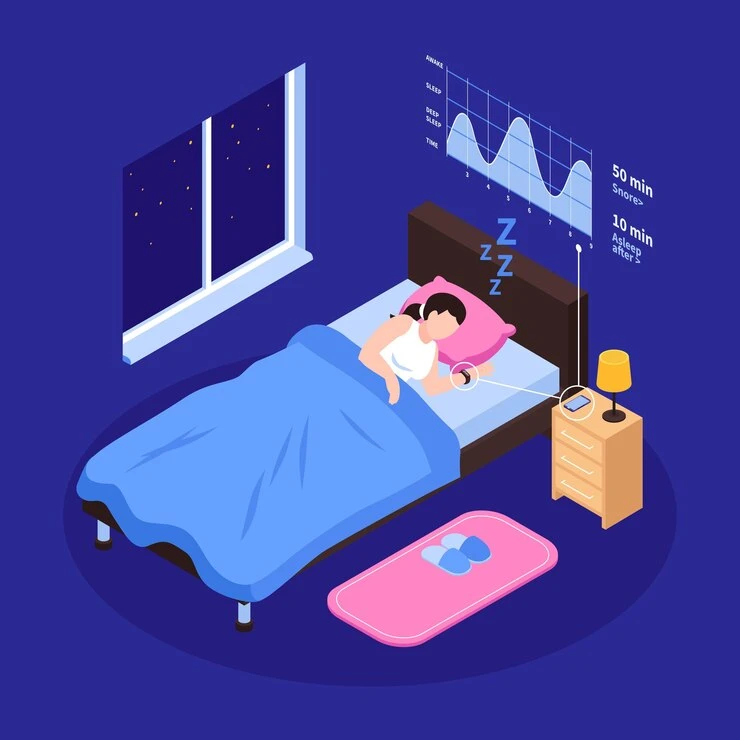

Quality sleep is essential for maintaining overall health and well-being, yet many people suffer from sleep disorders that go undiagnosed. Home Sleep Study has emerged as a convenient and effective method for diagnosing conditions like obstructive sleep apnea (OSA) without the need for an overnight stay in a sleep clinic. This guide provides beginners with a comprehensive overview of home sleep studies, including what they are, how they work, and what to expect.
What Are Home Sleep Studies?
Home sleep studies, also known as home sleep apnea tests (HSATs), are medical tests designed to diagnose sleep disorders, particularly obstructive sleep apnea. Unlike traditional in-lab polysomnography, which requires an overnight stay at a sleep clinic, home sleep studies allow patients to monitor their sleep in the comfort of their own homes. These tests are typically recommended for individuals who exhibit symptoms of OSA, such as loud snoring, daytime fatigue, and observed pauses in breathing during sleep.
How Do Home Sleep Studies Work?
Home sleep studies involve using a portable device that records various physiological parameters while you sleep. The typical components of a home sleep study kit include:
Nasal Cannula: Measures airflow through the nose and mouth.Belt Sensors: Placed around the chest and abdomen to monitor breathing effort.Pulse Oximeter: A small device attached to a finger to measure blood oxygen levels and heart rate.Snore Microphone: Often placed on the neck to detect snoring sounds.These components work together to gather data on your breathing patterns, oxygen saturation, heart rate, and snoring, which are essential for diagnosing OSA.
Preparing for a Home Sleep Study:
Consultation: Have an initial consultation with your healthcare provider to discuss your symptoms and determine if a home sleep study is appropriate for you.
Instructions: Carefully read the instructions provided with the sleep study kit. This will include how to set up and use the equipment properly.
Avoid Stimulants: On the day of the study, avoid caffeine, alcohol, and heavy meals close to bedtime as these can affect your sleep.
Medication: Consult with your doctor about any medications you are taking and whether you should continue them as usual.
Conducting the Study:
On the night of the study, follow these steps:
Set Up Equipment: Attach the nasal cannula, belt sensors, pulse oximeter, and snore microphone according to the instructions.
Go to Sleep: Sleep in your own bed, following your regular bedtime routine. Ensure the equipment is comfortable and securely in place.
Complete the Study: In the morning, carefully remove the equipment and pack it back in the kit.
After The Study:
Return the Kit: Follow the instructions for returning the kit to your healthcare provider or the testing service.
Data Analysis: A sleep specialist will analyze the collected data to identify any abnormalities in your sleep patterns, breathing, and oxygen levels.
Follow-Up: Your healthcare provider will discuss the results with you and recommend appropriate treatment options if a sleep disorder is diagnosed. Treatment may include lifestyle changes, Continuous Positive Airway Pressure (CPAP) therapy, oral appliances, or, in some cases, surgery.
Conclusion
Home Sleep Study offers a convenient and effective way to diagnose obstructive sleep apnea and other sleep disorders. By allowing patients to sleep in their own homes, these tests provide a more comfortable and accessible alternative to in-lab studies. Understanding the process, preparing adequately, and following instructions carefully can ensure accurate results and a smooth experience. If you suspect you have a sleep disorder, consult with your healthcare provider to determine if a home sleep study is right for you. Through early diagnosis and appropriate treatment, you can improve your sleep quality and overall health.



























Sign in to leave a comment.