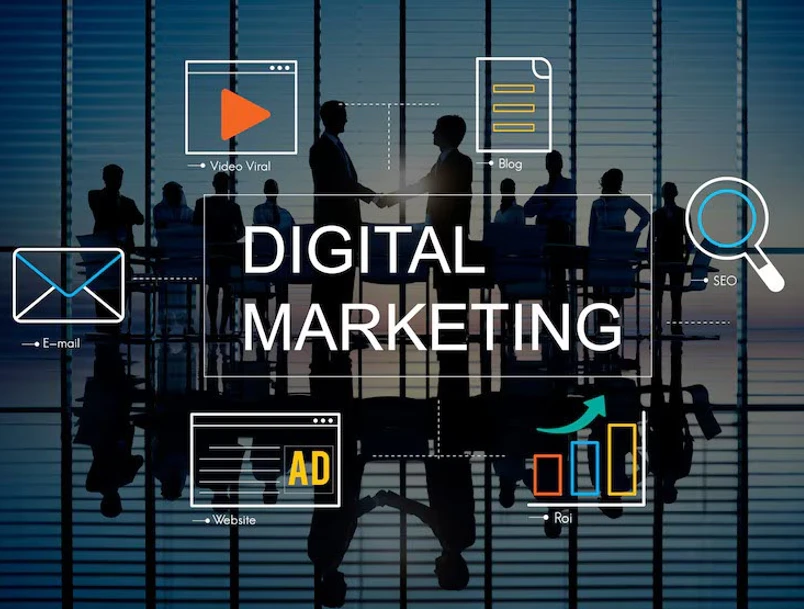
In a world where attention spans are shrinking and competition is growing fiercer by the day, digital marketing has become the heartbeat of brand success. Modern brands are no longer relying solely on traditional advertising. Instead, they are building dynamic, engaging, and data-driven digital marketing strategies to connect with their audience in real time. Whether you're a startup or an established name, mastering digital marketing is no longer optional—it's essential.
So, how do you navigate the buzzing world of algorithms, ads, analytics, and audiences? Let’s dive into this comprehensive guide tailored for today’s modern brands.
1. Understanding Digital Marketing: Beyond the Buzzword
Digital marketing encompasses all marketing efforts that use an electronic device or the internet. It includes a wide range of channels like:
- Search engines
- Social media platforms
- Websites
- Mobile apps
At its core, digital marketing is about delivering the right message to the right person at the right time—all while being measurable and cost-effective.
Key takeaway: Digital marketing is not just about being online; it's about being strategically online.
2. Crafting a Digital Marketing Strategy: Where It All Begins
Before diving into tools and tactics, a brand must outline a clear strategy. Here's what a successful digital marketing strategy includes:
- Define Goals: Increase brand awareness, generate leads, improve sales, etc.
- Know Your Audience: Build buyer personas using demographics, interests, and behavior.
- Choose the Right Channels: Not all platforms suit every brand. Choose wisely.
- Set a Budget: Allocate funds across paid ads, content creation, and tools.
- Track KPIs: Measure what's working with metrics like CTR, conversion rate, and ROI.
A good strategy acts like a GPS—without it, you may still move, but you’ll end up lost.
3. Core Components of Digital Marketing
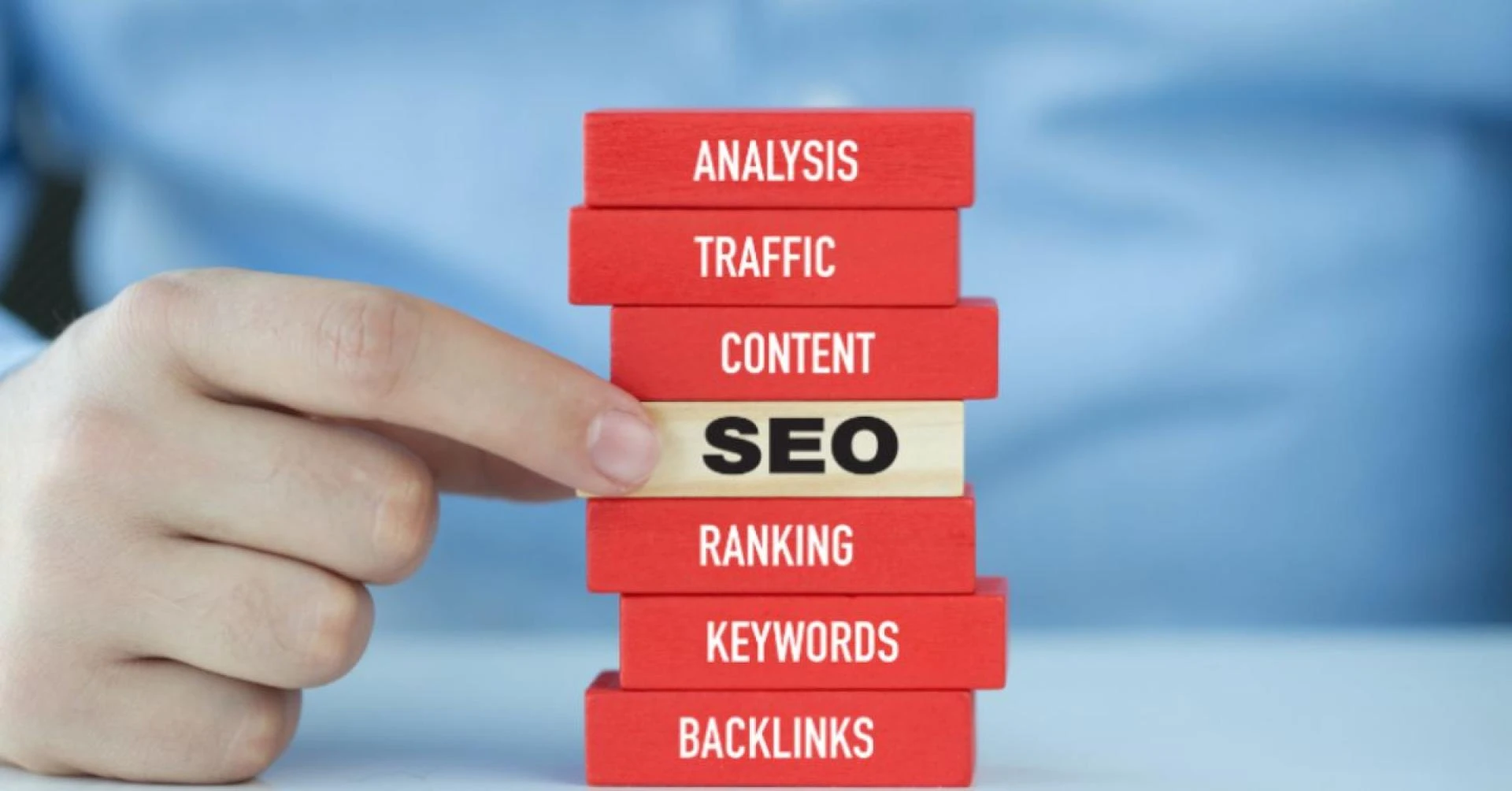
a) Search Engine Optimization (SEO)
Want to appear on the first page of Google? That’s where SEO comes in. It involves:
- Keyword research
- On-page optimization (titles, meta tags, content structure)
- Off-page SEO (backlinks)
- Technical SEO (site speed, mobile-friendliness)
SEO is a long-term game, but the rewards are well worth it.
b) Content Marketing
"Content is king" still holds true. Great content can:
- Educate your audience
- Improve SEO
- Establish authority
- Drive organic traffic
Formats include blogs, videos, infographics, podcasts, and eBooks.
c) Social Media Marketing (SMM)
With billions of users on platforms like Instagram, LinkedIn, and X (formerly Twitter), SMM is vital. It helps:
- Build community
- Increase brand awareness
- Drive website traffic
Engagement is the currency here—likes, shares, and comments speak volumes.
d) Pay-Per-Click Advertising (PPC)
If SEO is a marathon, PPC is a sprint. Platforms like Google Ads and Facebook Ads allow you to:
- Target specific audiences
- Set budgets
- Get instant visibility
When managed well, PPC delivers quick, measurable results.
e) Email Marketing
Still one of the highest ROI channels. Email marketing helps:
- Nurture leads
- Retain customers
- Promote offers
Personalized, segmented emails have much better open and conversion rates.
f) Influencer & Affiliate Marketing
Leverage the trust influencers have built with their audience. It’s ideal for:
- Product launches
- Brand awareness
- Driving sales through trusted voices
4. Tools That Make the Magic Happen
To execute digital marketing effectively, brands use a host of tools:
- Google Analytics for performance tracking
- SEMrush/Ahrefs for SEO
- Canva/Adobe for content design
- Mailchimp/ConvertKit for email campaigns
- Meta Ads Manager for Facebook & Instagram ads
- Hootsuite/Buffer for social media scheduling
Tip: Don’t chase every tool. Choose what aligns with your strategy and scale from there.
5. Trends Shaping the Future of Digital Marketing
Modern brands must stay ahead of the curve. Here are trends making waves:
- AI & Automation: Chatbots, predictive analytics, and content automation
- Voice Search Optimization: Think Alexa, Siri, and Google Assistant
- Video Content: Short-form videos are dominating (Reels, Shorts)
- Interactive Content: Quizzes, polls, and clickable infographics
- Privacy and Data Security: With changing data laws, transparency is key
6. Common Mistakes to Avoid
Even modern brands can slip up. Watch out for:
- Ignoring mobile optimization
- Overlooking analytics
- Being too salesy
- Not updating outdated content
- Focusing on quantity over quality
Pro Tip: Learn from mistakes, whether yours or others’.
7. Measuring Success: Analytics & ROI
What gets measured gets managed. Key metrics to track:
- Website traffic & bounce rate
- Conversion rate
- Cost per lead/acquisition
- Email open/click rates
- Social engagement
Use dashboards and reports to fine-tune your approach.
Conclusion: Building a Digital-First Brand
In the digital age, a strong online presence isn’t just nice to have—it’s your brand’s lifeline. By embracing a smart, strategic, and adaptive approach to digital marketing, modern brands can not only survive but thrive. Remember, it’s not about being everywhere—it’s about being where it matters most, with the right message and the right intent.
So go ahead, light up the digital world —your audience is waiting.


























Sign in to leave a comment.