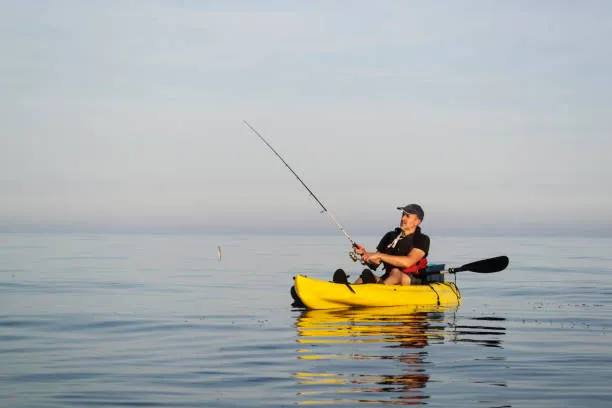

Exploring lakes, rivers, and coastal waters offers a refreshing way to enjoy nature while developing valuable outdoor skills. Fishing from a small, maneuverable watercraft allows anglers to reach peaceful locations that larger boats cannot easily access. With thoughtful preparation, suitable equipment, and an understanding of local conditions, beginners and experienced anglers can enjoy productive trips. The experience combines adventure, patience, exercise, and the satisfaction of learning more about aquatic environments. Whether planning a weekend escape or pursuing a long-term hobby, understanding the essential techniques can make every outing safer and more rewarding.
Understanding the Appeal of Small Watercraft Fishing
One of the greatest advantages of kayak Fishing is the freedom to explore places that remain inaccessible to many traditional fishing boats. Narrow waterways, shallow shorelines, secluded coves, and quiet sections of rivers often provide excellent opportunities for discovering fish. Because these watercraft are relatively compact, anglers can transport them to different destinations without requiring large trailers or expensive storage facilities. Their simplicity also encourages a closer connection with the surrounding environment, allowing people to observe wildlife, changing weather, and underwater habitats more carefully.
Choosing the Right Equipment
Selecting appropriate equipment is an important step toward a successful fishing experience. Beginners should consider stability, weight capacity, seating comfort, storage space, and ease of transportation before purchasing a suitable craft. Wider designs generally provide greater stability, while longer models may offer better tracking across open water. Dedicated fishing models often include rod holders, accessory mounts, and compartments for tackle. However, the most expensive option is not necessarily the best choice. A practical design that suits the angler's experience level, physical abilities, and intended fishing locations can provide excellent value over many seasons.
Essential Safety Preparations
Safety should always come before catching fish. Every angler should wear a properly fitted personal flotation device and carry essential equipment, including a whistle, communication device, drinking water, and basic first-aid supplies. Checking the weather forecast before departure helps identify thunderstorms, strong winds, and sudden temperature changes. Water conditions can become dangerous quickly, especially in exposed coastal areas or fast-moving rivers. Beginners should practice entering, exiting, and maneuvering their watercraft in calm, shallow water before attempting more challenging locations. Informing someone about the planned route and expected return time provides an additional layer of protection.
Learning Techniques for Better Fishing Results
Successful kayak Fishing depends on understanding fish behavior, choosing appropriate locations, and presenting bait or artificial lures effectively. Fish frequently gather near structures that provide shelter, food, and favorable water conditions. Fallen trees, submerged vegetation, rocky edges, and changes in water depth can attract different species. Observing these features helps anglers identify promising areas without moving randomly across a lake. Researching seasonal patterns and speaking with local fishing communities can also reveal useful information about productive habitats and responsible fishing practices.
Selecting Bait and Lures
The most effective bait depends on the target species, water temperature, visibility, and available food sources. Live bait may attract fish that naturally feed on insects, worms, or smaller aquatic animals. Artificial lures offer versatility because anglers can change their color, size, movement, and depth according to conditions. Soft plastic lures work well in many freshwater environments, while crankbaits and spinnerbaits can help cover larger areas. Keeping tackle organized in waterproof containers makes it easier to switch techniques without losing valuable fishing time. Carrying a modest selection of proven options is often more useful than bringing excessive equipment.
Improving Casting Accuracy
Casting from a small watercraft requires balance, coordination, and controlled movements. Practicing short casts before attempting longer distances helps anglers maintain stability while placing lures near specific targets. Sidearm casting may be useful when low branches or other overhead obstacles restrict movement. Maintaining a comfortable seated position reduces fatigue and makes repeated casts easier. Anglers should also pay attention to wind direction because even moderate breezes can influence lure placement and boat positioning. Developing consistent casting habits improves efficiency and reduces the risk of hooks becoming tangled in clothing, equipment, or nearby vegetation.
Managing Movement and Positioning on the Water
Positioning is especially important when fishing around narrow channels, submerged structures, or shallow flats. Gentle paddle strokes help anglers approach promising areas without creating excessive noise or disturbing fish. In some situations, drifting naturally with the current or wind provides a useful way to cover water while presenting bait. An anchor designed for the specific environment can help maintain position, although anglers must understand local currents and avoid anchoring in hazardous conditions. During kayak Fishing excursions, maintaining awareness of nearby boats, changing weather, and possible escape routes helps prevent small problems from becoming serious emergencies.
Understanding Wind and Current
Wind and current influence both navigation and fishing performance. A strong breeze may push a lightweight craft away from the desired location, making it difficult to remain near productive structures. River currents can also change around bends, bridges, and narrow passages. Checking conditions before launching allows anglers to choose safer routes and realistic fishing areas. When conditions become uncomfortable or unpredictable, returning to shore is more important than continuing to pursue fish. Learning how wind interacts with the shoreline and water surface gradually improves judgment and helps anglers make better decisions throughout each trip.
Organizing Fishing Supplies
An organized setup reduces frustration and supports safer movement. Frequently used items, such as pliers, line cutters, and a small tackle box, should remain within easy reach. Heavier equipment should be secured and positioned to preserve balance. Waterproof bags protect clothing, food, electronics, and other essential belongings from splashes. Fishing rods need reliable holders or secure storage arrangements when they are not being used. Before departure, checking every compartment and fastening loose objects prevents unnecessary losses. A clean, uncluttered arrangement also makes it easier to respond quickly when a fish strikes or conditions suddenly change.
Protecting Aquatic Environments
Responsible anglers understand that healthy waterways support better fishing opportunities for future generations. Avoiding sensitive nesting areas, disposing of waste properly, and following local regulations are essential habits. Fishing line, plastic packaging, and discarded hooks can injure wildlife, so all waste should be collected and removed. Anglers should also learn the rules governing catch limits, protected species, fishing seasons, and permitted equipment. Practicing catch-and-release techniques carefully can reduce unnecessary harm when fish are handled with wet hands, supported appropriately, and returned to the water promptly.
Building Skills Through Experience
Every trip provides an opportunity to learn something new. Recording weather conditions, water temperature, lure choices, fishing locations, and successful techniques helps anglers recognize patterns over time. Photographs and brief notes can make these observations easier to review before future outings. Beginners may benefit from joining experienced anglers or participating in local fishing groups where practical knowledge is shared. Gradually exploring new environments builds confidence while preventing unnecessary risks. Consistent practice, rather than expensive equipment alone, usually produces the greatest improvements in navigation, casting accuracy, and fish identification.
Conclusion
Enjoying time on the water requires preparation, patience, and respect for the natural environment. Choosing suitable equipment, learning effective techniques, and prioritizing safety create a strong foundation for enjoyable outdoor adventures. With regular practice, kayak Fishing can become a rewarding recreational activity that combines physical movement, problem-solving, and opportunities to discover new places. By remaining aware of changing conditions and following responsible fishing practices, anglers can improve their skills while protecting aquatic habitats. Every outing offers a chance to gain experience, appreciate nature, and create lasting memories on the water.






















Sign in to leave a comment.