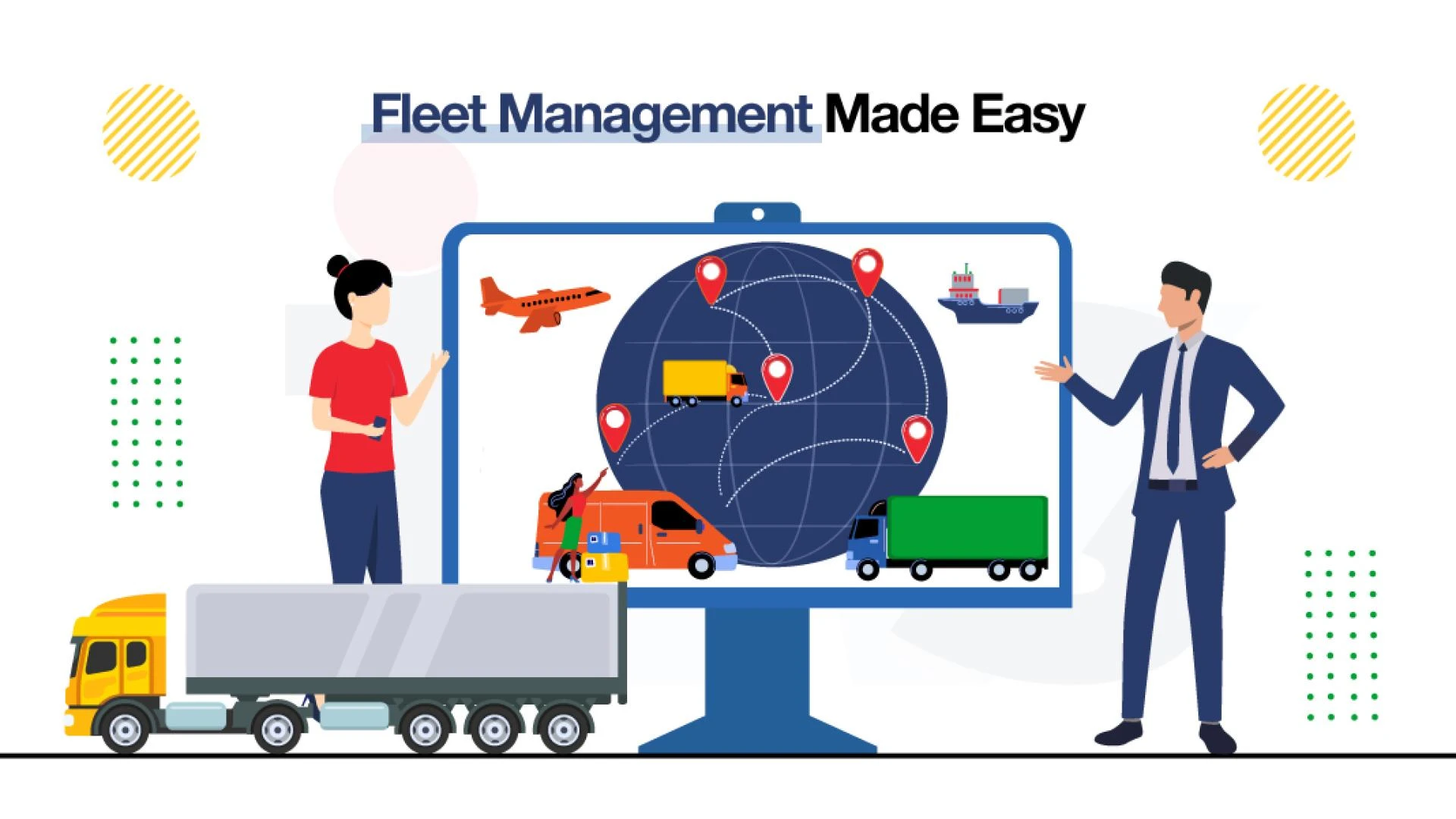
In today's fast-paced and dynamic business environment, the need for efficient and effective fleet management has never been greater. With the advancement of technology, fleet management software has become an essential tool for businesses looking to streamline their operations, improve productivity, and reduce costs. In this guide, we will explore the ins and outs of fleet management software development, including key features, benefits, and best practices.
What is Fleet Management Software?
Fleet management software is a comprehensive solution that helps businesses manage and optimize their fleet of vehicles. This includes tracking vehicle location, monitoring driver behavior, scheduling maintenance, and optimizing routes. By utilizing fleet management software, businesses can improve operational efficiency, reduce fuel costs, enhance driver safety, and increase overall productivity.
Key Features of Fleet Management Software
Here are the Key Features of Fleet Management Software that help streamline operations, reduce costs, and improve fleet efficiency:
Real-time GPS Tracking
One of the key features of fleet management software is real-time GPS tracking. This allows businesses to always monitor the location of their vehicles, helping to optimize routes, improve response times, and enhance overall fleet visibility.
Driver Behavior Monitoring
Driver behavior monitoring features are also included in fleet management software, such as speed monitoring and harsh braking alerts, as well as idle time tracking. By monitoring driver behavior, businesses can identify and address unsafe driving habits, ultimately improving driver safety and reducing fuel consumption.
Maintenance Scheduling
Another important feature of fleet management software is maintenance scheduling. This feature allows businesses to schedule routine maintenance tasks, such as oil changes and tire rotations, based on vehicle usage and mileage. By staying on top of maintenance schedules, businesses can prolong the life of their vehicles and reduce unexpected breakdowns.
Reporting and Analytics
Fleet management software provides robust reporting and analytics capabilities, allowing businesses to track key performance indicators, analyze operational data, and identify areas for improvement. With detailed reports and analytics, businesses can make informed decisions to optimize fleet performance and reduce costs.
Benefits of Fleet Management Software
Here are the key benefits of Fleet Management Software for businesses operating vehicles or logistics operations:
Improved Operational Efficiency
By streamlining processes and automating manual tasks, fleet management software helps businesses improve operational efficiency. With real-time visibility into fleet operations, businesses can make informed decisions to optimize routes, reduce idle time, and increase overall productivity.
Cost Savings
Fleet management software helps businesses reduce costs in various ways. By optimizing routes, reducing fuel consumption, and minimizing vehicle downtime, businesses can save money on fuel, maintenance, and repairs. Additionally, by improving driver safety and reducing accidents, businesses can lower insurance premiums and avoid costly legal fees.
Enhanced Safety and Compliance
One of the key benefits of fleet management software is enhanced safety and compliance. By monitoring driver behavior, enforcing safe driving practices, and ensuring regulatory compliance, businesses can reduce the risk of accidents, injuries, and fines. By prioritizing safety, businesses can protect their drivers, vehicles, and reputation.
Best Practices for Fleet Management Software Development
Here are the Best Practices for Fleet Management Software Development to ensure performance, scalability, and usability for transport and logistics businesses:
Define Clear Objectives
Before embarking on fleet management software development, it is essential to define clear objectives and goals. By understanding the specific needs and challenges of your business, you can develop a customized solution that meets your requirements and delivers tangible results.
User-Centric Design
When designing fleet management software, it is important to prioritize user experience and usability. By focusing on intuitive design, simple navigation, and user-friendly interfaces, businesses can ensure that drivers, fleet managers, and other stakeholders can easily use the software to streamline operations and make informed decisions.
Continuous Improvement
Fleet management software development is an ongoing process that requires continuous improvement and iteration. By collecting feedback from users, monitoring performance metrics, and adapting to changing business needs, businesses can ensure that their software remains relevant, efficient, and effective in the long run.
Integration with Existing Systems
To maximize the benefits of fleet management software, it is crucial to integrate the software with existing systems, such as ERP, CRM, and telematics platforms. By ensuring seamless data exchange and interoperability between systems, businesses can achieve a unified view of their operations and improve decision-making across the organization.
Conclusion:
Fleet management software development is a complex and challenging process that requires careful planning, collaboration, and execution. By incorporating key features, benefits, and best practices into the development process, businesses can create a customized solution that meets their unique needs and drives operational excellence. With the right fleet management software in place, businesses can optimize their fleet operations, improve productivity, and achieve a competitive edge in today's competitive business landscape.




























Sign in to leave a comment.