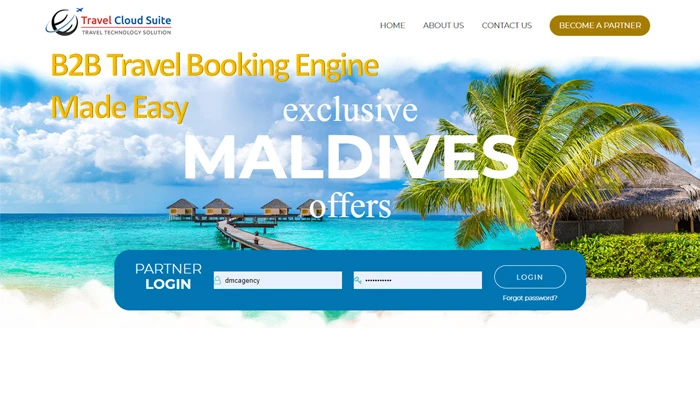
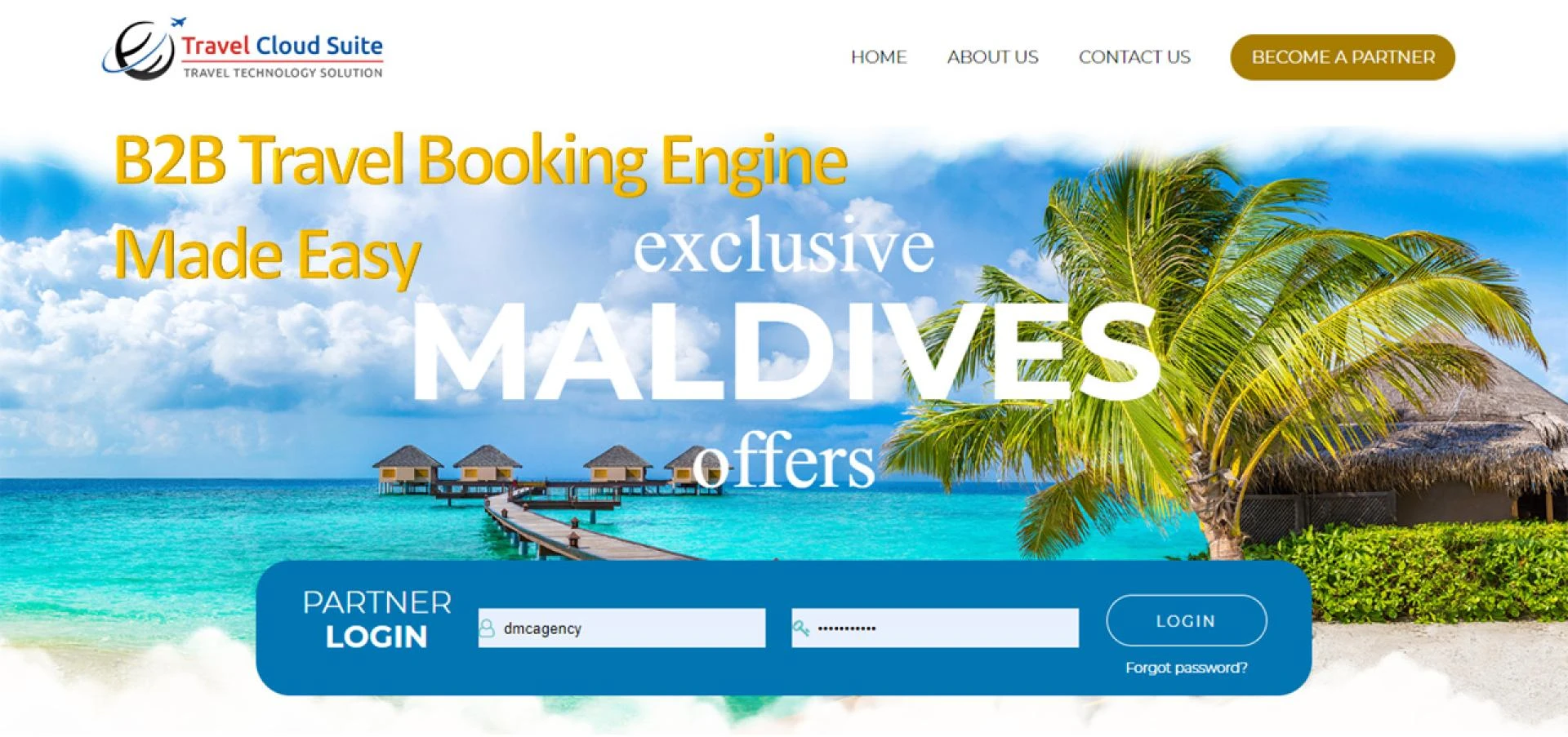
In today's fast-paced world, technology has made it easier for businesses to streamline their operations and improve efficiency. One such technological advancement is the B2B travel booking engine, a tool that allows travel agents and companies to book flights, hotels, and other travel services online. However, with the plethora of options available in the market, choosing the best B2B travel booking engine for your business can be a daunting task.
Understand Your Business Needs
Before you start evaluating different B2B travel booking engines, it's crucial to understand your business needs and requirements. Consider the size of your business, the volume of travel bookings you handle, the specific features you require, and your budget constraints. By having a clear understanding of your business needs, you can narrow down your options and choose a B2B travel booking engine that aligns with your requirements.
Choose the Best B2B Travel Booking Engine for Your Business
Here are the key factors for choosing the Best B2B travel booking engine for your business:
Evaluate the Features and Functionality
When choosing a B2B travel booking engine, it's essential to evaluate the features and functionality it offers. Look for a platform that is user-friendly, customizable, and integrates seamlessly with your existing systems. Consider features such as booking management, payment processing, reporting and analytics, and mobile compatibility. Additionally, assess the capabilities of the booking engine in terms of handling multiple travel services, managing complex itineraries, and providing real-time updates.
Consider the Supplier Network
Another crucial factor to consider when choosing a B2B travel booking engine is the supplier network it provides access to. Look for a platform that offers a diverse range of suppliers, including airlines, hotels, car rental companies, and tour operators. A robust supplier network ensures that you have access to competitive rates, a wide selection of travel products, and reliable inventory. Additionally, consider the quality of the suppliers included in the network and their reputation in the industry.
Assess the Technology and Integration
The technology and integration capabilities of a B2B travel booking engine play a significant role in its effectiveness and efficiency. Look for a platform that leverages cutting-edge technology, such as cloud-based architecture, API integration, and artificial intelligence. A modern and scalable booking engine can help improve the speed and accuracy of bookings, enhance the user experience, and streamline your operations. Additionally, assess the ease of integration with third-party systems, such as CRM software, accounting tools, and marketing platforms.
Check for Customer Support and Training
Customer support and training are critical aspects of choosing a B2B travel booking engine for your business. Look for a provider that offers responsive customer support services, including technical assistance, troubleshooting, and account management. Additionally, consider the availability of training resources, such as user guides, tutorials, and webinars, to help your staff learn how to use the booking engine effectively. A provider that offers comprehensive customer support and training can help ensure a smooth implementation and adoption process.
Consider Pricing and Return on Investment
Last but not least, consider the pricing structure and return on investment when choosing a B2B travel booking engine. While cost is a significant factor, it's essential to assess the value that the booking engine provides to your business. Look for a platform that offers transparent pricing, flexible billing options, and no hidden fees. Additionally, evaluate the potential return on investment in terms of increased efficiency, reduced manual work, higher sales volume, and improved customer satisfaction. A B2B travel booking engine that offers a strong return on investment can help drive growth and profitability for your business.
Conclusion:
Choosing the best B2B travel booking engine for your business requires careful consideration and evaluation of your specific needs, the features and functionality of the platform, the supplier network, technology and integration capabilities, customer support and training, and pricing and return on investment. By following these tips and conducting thorough research, you can select a B2B travel booking engine that aligns with your business goals and helps you achieve success in the competitive travel industry.































Sign in to leave a comment.