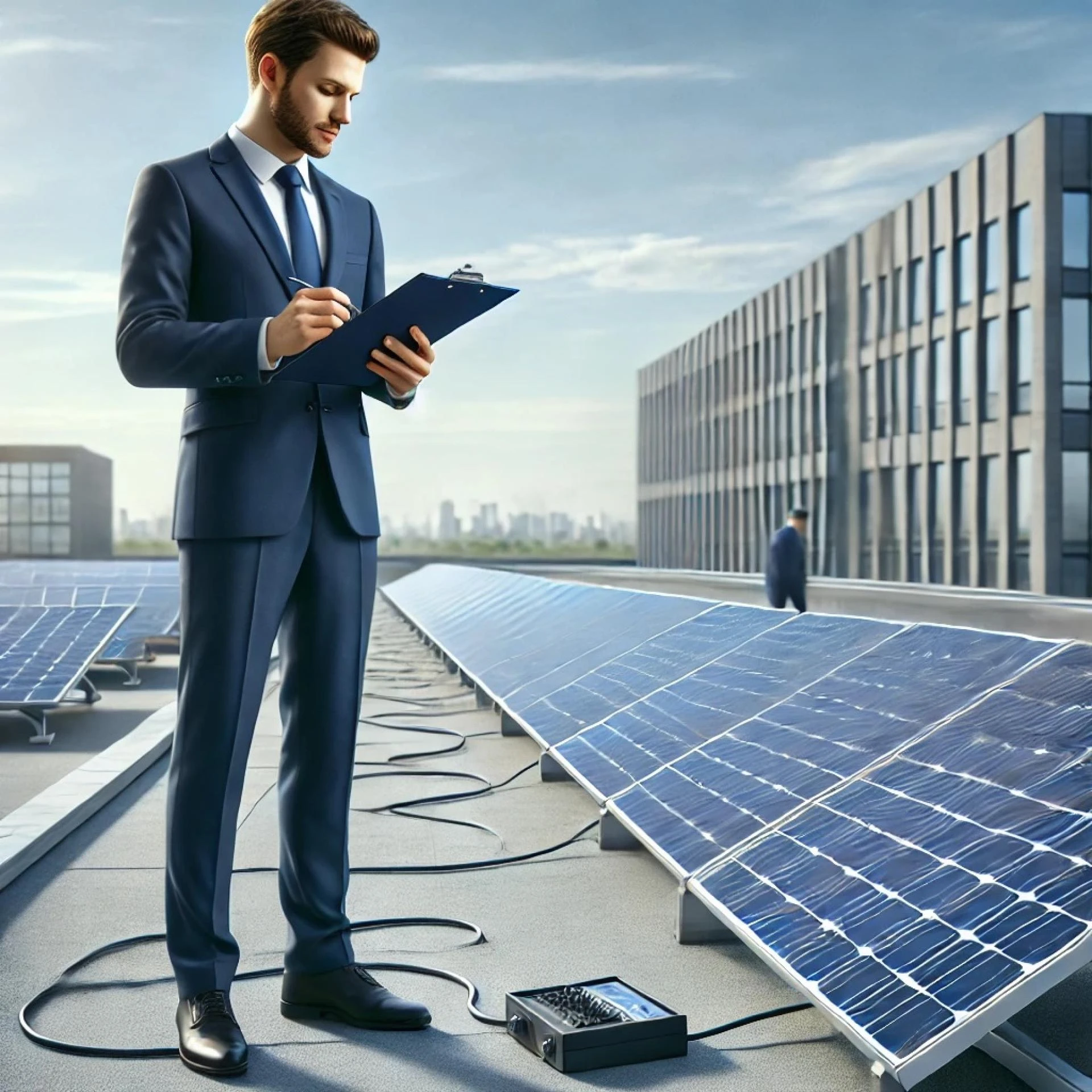
When installing a solar energy system, securing the right legal permits for solar energy systems is a crucial step. These permits ensure that your solar installation complies with local regulations, safety standards, and building codes. Navigating the permit process may seem daunting, but understanding what is required will help you avoid unnecessary delays and potential fines, allowing you to focus on reaping the benefits of solar energy.
Legal permits for solar energy systems vary depending on your location and the type of installation. Generally, there are two primary types of permits you need to consider: building permits and electrical permits. Building permits ensure that your roof or mounting structure can support the solar panels, verifying that the installation won't pose structural risks. Electrical permits, on the other hand, are necessary to confirm that the solar system's electrical connections and components are safe and comply with local electrical codes.
One of the biggest challenges in obtaining legal permits is understanding the specific requirements of your local jurisdiction. Solar regulations can differ widely from one region to another, and certain areas may have unique zoning laws or environmental considerations. For example, some states or municipalities might require you to obtain additional environmental permits if your property is located in a conservation zone. Therefore, it’s important to conduct research or work with a professional who can guide you through these regulatory landscapes.
The process of obtaining permits begins with preparing the necessary documentation, which typically includes a detailed site plan, structural drawings, and electrical diagrams of your solar system. These documents are then submitted to your local building department for review. Depending on the complexity of your solar installation, the review process can take several weeks, during which time local officials assess whether your system meets all regulatory standards. Some localities may also require an energy production forecast or proof that your system will contribute to the overall energy efficiency of your home or business.
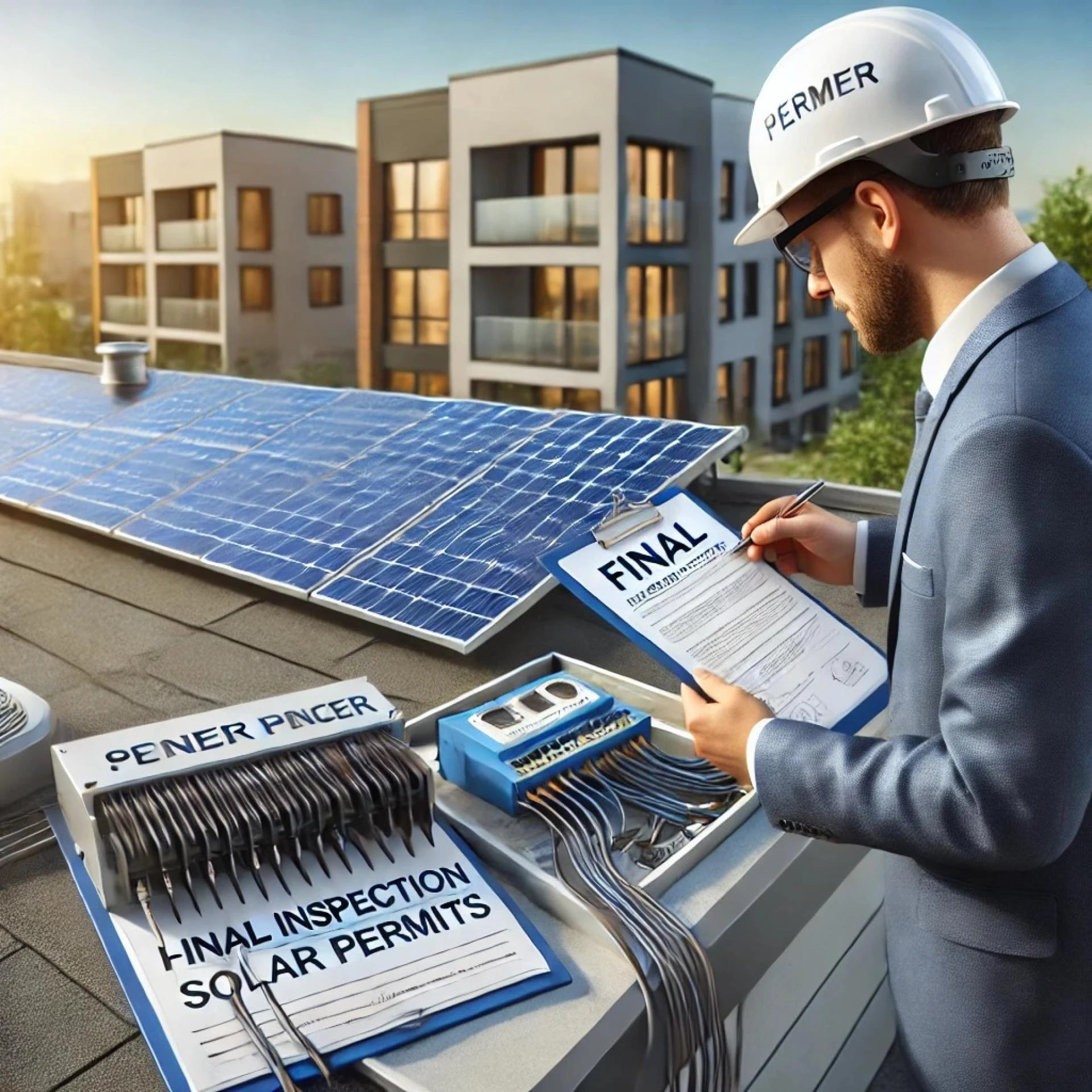
Once your permit application is approved, you can proceed with the installation. However, the process doesn’t end here. After the installation, most local jurisdictions require a final inspection. This inspection is conducted by a certified official who verifies that the installation was carried out in accordance with the approved plans and that the system meets all local safety standards. Only after passing this inspection can you officially turn on your solar energy system and connect it to the grid.
Securing legal permits for solar energy systems might seem like a lengthy and complicated process, but it’s an essential part of ensuring that your solar investment is protected. These permits not only guarantee that your system is safe and compliant but also help avoid future legal or financial issues. Partnering with a licensed installer or a professional service that specializes in permit acquisition can greatly simplify the process, saving you time and ensuring your project progresses smoothly from start to finish. Ultimately, having the proper permits in place paves the way for a successful solar energy transition, contributing to a cleaner and more sustainable future.

























Sign in to leave a comment.