
Think about the last time you opened a packet of dried coriander or cardamom and it smelled like absolutely nothing.
That is not a storage problem. That is a drying problem.
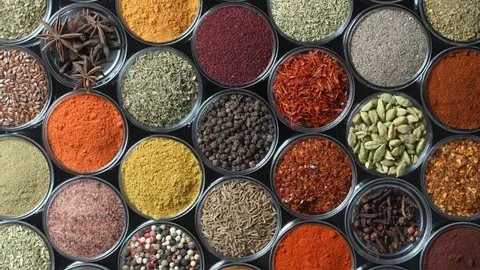
Spices and herbs are one of India's most valuable agricultural exports — and one of the most unforgiving products to process. They are packed with essential oils, antioxidants, vitamins, and aromatic compounds that make them worth buying in the first place. But these same compounds are incredibly fragile. Apply the wrong amount of heat, dry too slowly, or expose the product to too much oxygen — and you destroy exactly what the buyer is paying for.
The good news? The right drying technology changes everything.
In this blog, we break down the top 5 drying technologies used for spices and herbs today — what they do, how they work, and which one is right for your product.
Why Drying Method Matters More Than You Think
Fresh spices and herbs contain anywhere from 60% to 90% moisture. That moisture needs to come out — but how you remove it determines everything that happens to quality, shelf life, colour, and aroma.
The core challenge is this: the compounds that give spices their value — essential oils, volatile aromatic molecules, antioxidants like curcumin in turmeric or piperine in black pepper — are highly heat-sensitive. They begin to break down, evaporate, or oxidise when exposed to high temperatures.
This is why a spice dried at 80°C in a basic hot air oven smells flat, looks dull, and sells for less — while the same spice dried using the right technology at a controlled lower temperature retains its colour, aroma, and full market value.
Let us look at the five technologies that get this right
1. Hot Air Drying (Convective Drying)
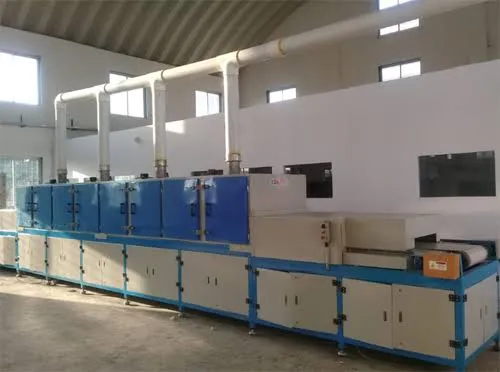
Hot air drying is the most widely used drying method in the spice industry — and for good reason. It is simple, well understood, and cost-effective for large volumes.
Heated air is circulated over or through the spice material. Moisture evaporates from the surface and is carried away by the airflow. Depending on the product, temperatures typically range from 45°C to 80°C.
Where it works well: bulk commodities like dried chilli, black pepper, coriander seeds, and whole spices where some aroma loss is acceptable and throughput volume is the priority.
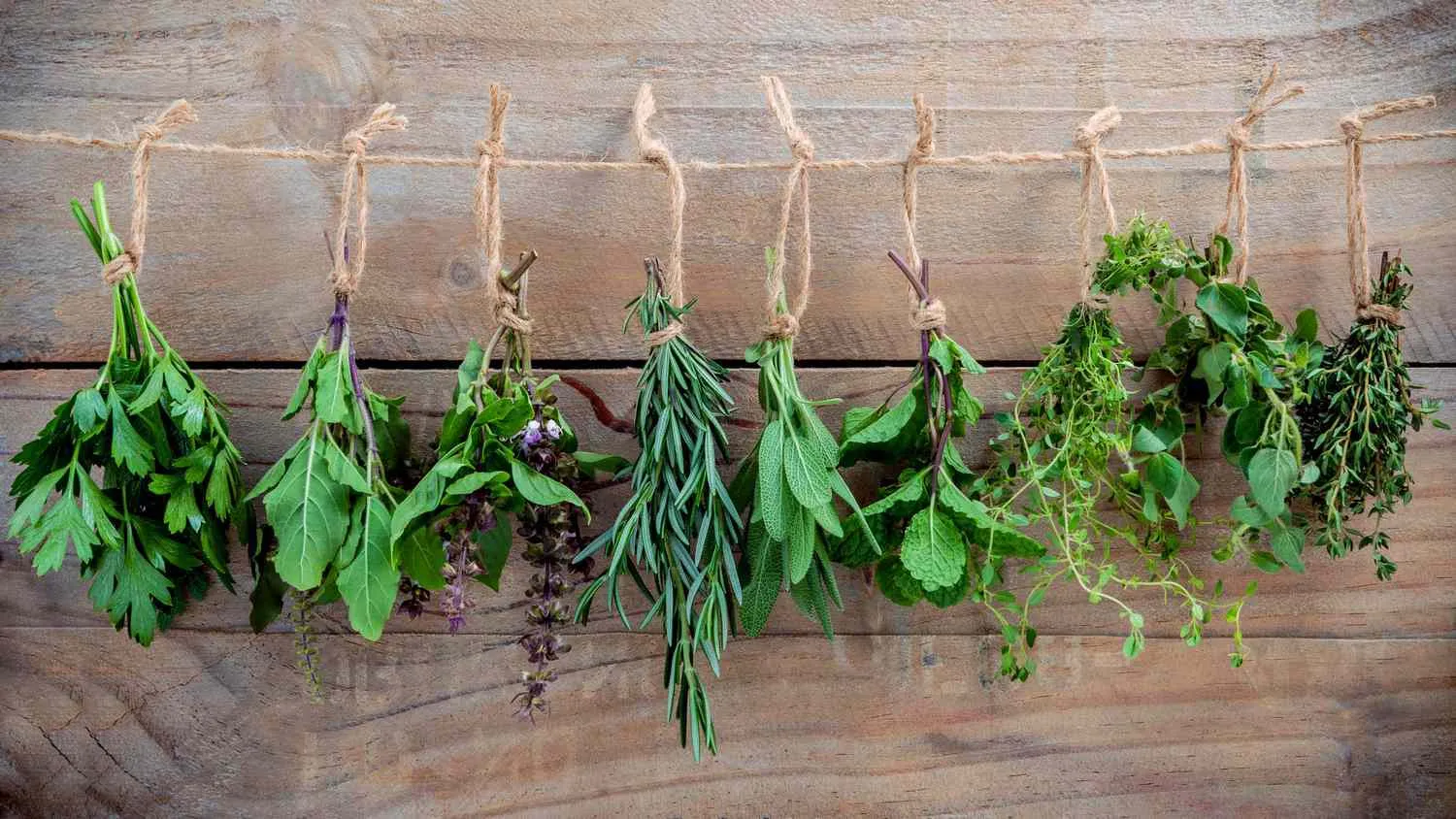
Where it struggles: delicate herbs like basil, mint, and parsley — where essential oil content is everything — suffer significant quality loss at conventional hot air drying temperatures. Research consistently shows that drying temperatures above 50°C cause measurable essential oil degradation in most aromatic herbs.
For high-value spice products, hot air drying is best used as a pre-drying stage — removing bulk moisture quickly before a gentler finishing technology takes over.
2. Microwave Drying
This is where modern spice processing gets genuinely exciting.
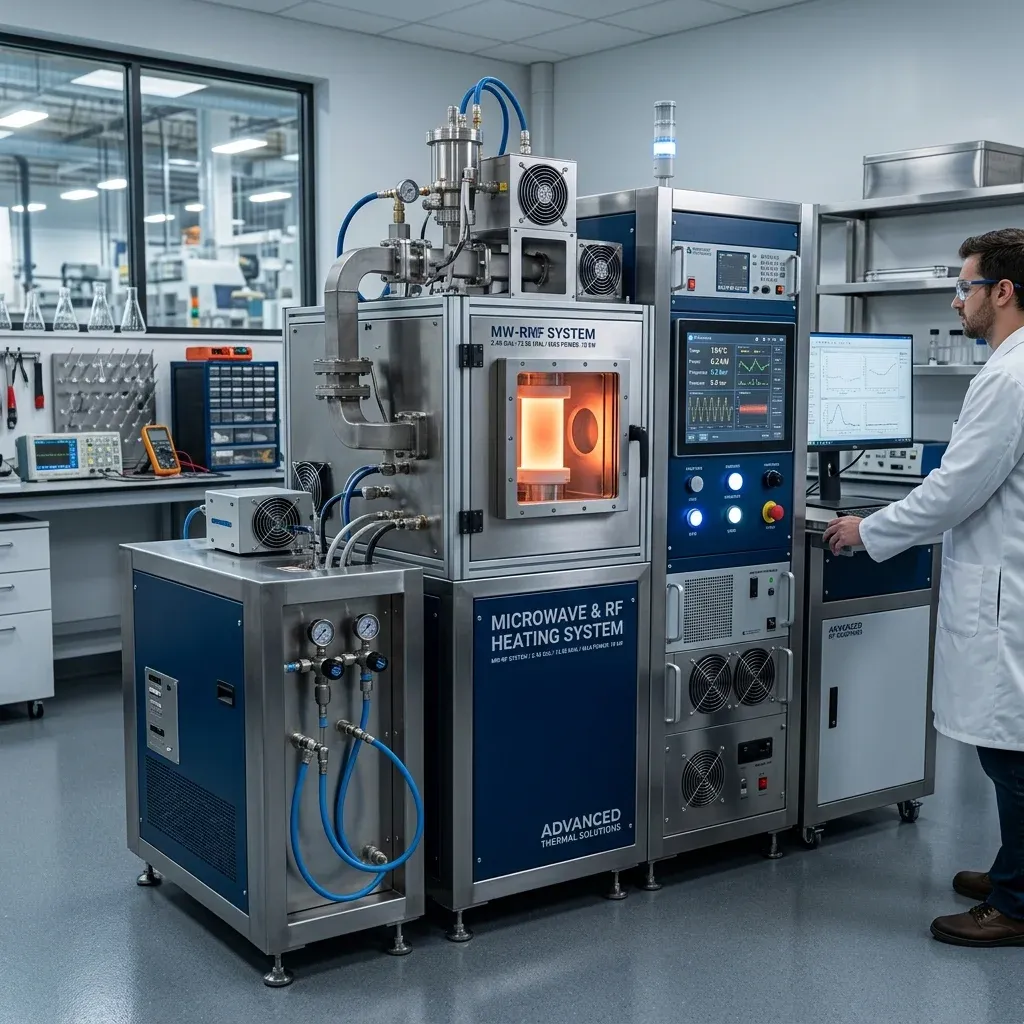
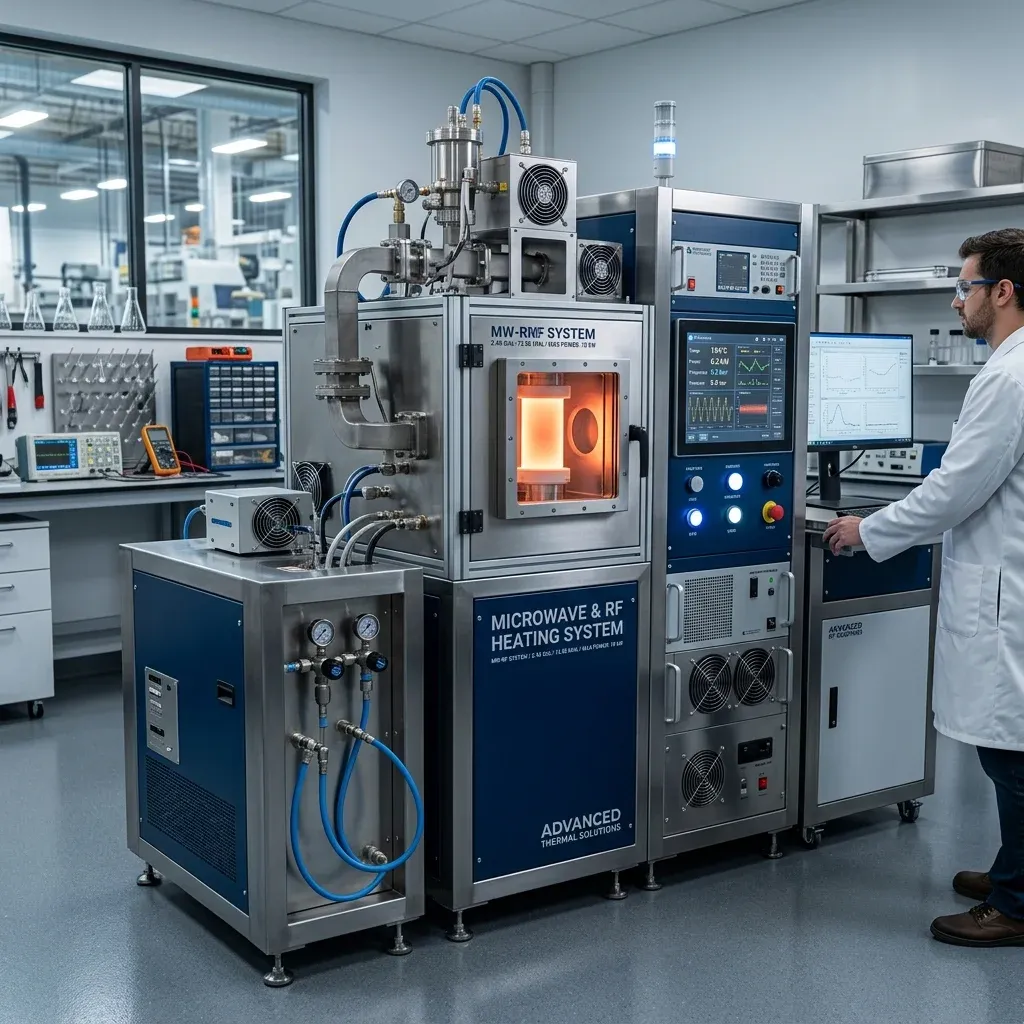
Microwave drying works by using electromagnetic energy to directly excite water molecules inside the product. Instead of heating from the outside in — the way a hot air oven works — microwave energy heats from the inside out, simultaneously throughout the entire material.
The result is dramatically faster drying — typically 5 to 15 minutes compared to hours in a conventional dryer — and at lower bulk temperatures. Because the drying is so fast, heat-sensitive compounds like essential oils have very little time to degrade or evaporate before the moisture is already gone.
At KRDC, our research with spice processors has consistently shown that microwave drying retains significantly higher essential oil content compared to conventional hot air drying for products like turmeric, coriander, cardamom, and aromatic herbs.
For processors where product aroma, colour, and bioactive content are premium quality markers — and where buyers pay accordingly — microwave drying delivers a return on the higher equipment investment very quickly through improved product value and reduced processing time.
3. Vacuum Drying
Vacuum drying solves the heat problem from a completely different direction.
Instead of trying to dry faster, vacuum drying reduces the air pressure inside the drying chamber. When pressure drops, the boiling point of water drops with it. At a low enough vacuum, water evaporates at just 30 to 40°C — without needing high temperatures at all.
For spices and herbs that are extremely heat-sensitive — vanilla, saffron, high-grade green tea, certain medicinal herbs, and botanical extracts — vacuum drying is often the only technology that preserves quality adequately.
The trade-off is throughput. Vacuum drying is slower and more expensive to operate than microwave or hot air drying. It is best suited for high-value, low-volume products where quality justifies the processing cost.
Many processors combine vacuum drying with microwave energy — a technology called microwave-vacuum drying — which gives the speed of microwave with the low-temperature benefit of vacuum. At KRDC, our pilot trials have shown this combination to be particularly effective for high-value herb and botanical extract drying.
4. Freeze Drying (Lyophilisation)
Freeze drying is the gold standard for aroma and nutrient preservation — and it comes with a gold standard price tag to match.
The process freezes the product first, then reduces pressure so that the ice converts directly into vapour without passing through a liquid phase — a process called sublimation. Because the product is never heated, and because it is never even liquid during drying, the structural integrity and aromatic compounds are preserved better than any other drying method.
Freeze-dried herbs genuinely smell and taste close to fresh. The colour is vivid. The rehydration is excellent. For premium culinary herbs sold to high-end food manufacturers, specialty exporters, and nutraceutical companies, freeze drying can command price premiums that justify the cost.
Where it makes sense: premium basil, mint, chives, dill, parsley, and high-grade botanical extracts destined for pharmaceutical or nutraceutical applications.
Where it does not make sense: commodity spices, high-volume products, or any product where the price premium from freeze drying does not exceed the significant operating cost.
5. Infrared Drying
Infrared drying is one of the most underused technologies in the spice industry — and one of the most interesting.
Infrared radiation penetrates the surface layers of the spice material and heats it directly, without needing heated air as a carrier. This means very fast surface and near-surface moisture removal, excellent colour preservation, and good retention of volatile aromatic compounds compared to conventional hot air.
Infrared drying is particularly effective for flat, thin materials — dried chilli slices, herb leaves, thin spice coatings — where the infrared energy can penetrate adequately. For thicker or denser materials, infrared is often used in combination with hot air or microwave drying for best results.
The energy efficiency of infrared drying is also significantly better than conventional hot air — making it an increasingly attractive option for processors looking to reduce operating costs without compromising on product quality.
At KRDC, our research division works with infrared and combined infrared-microwave drying systems as part of our broader programme of advanced thermal processing research for the spice and food processing industries.
So Which Technology Is Right for Your Spice or Herb?
Here is the honest answer: it depends on your product, your quality targets, and your production volume.
If you are processing bulk commodity spices at high volume — hot air drying, possibly combined with infrared or microwave finishing, is your most practical and cost-effective route.
If your product is a premium herb, essential oil-rich spice, or botanical extract where aroma and bioactive content are your selling points — microwave drying, vacuum drying, or a microwave-vacuum combination will protect the value of your product and justify the investment.
If you are producing for pharmaceutical, nutraceutical, or premium export markets where quality documentation is required — freeze drying or validated microwave-vacuum processes are the right direction.
And if you are not sure? That is exactly what pilot trials are for.
Before committing to any industrial drying technology, testing your specific product at pilot scale is the only way to know with certainty which technology delivers the best results — in terms of essential oil retention, colour, moisture uniformity, energy consumption, and processing time.
The Bottom Line
The spice and herb industry is one of the most quality-driven markets in food processing. Your buyers — whether they are domestic food manufacturers, international spice traders, or pharmaceutical raw material buyers — can tell the difference between a product dried well and a product dried carelessly.
Aroma does not lie. Colour does not lie. And the market price your product commands is the ultimate reflection of every decision made in your drying process.
The right drying technology is not an expense. It is the decision that determines whether your product is a commodity or a premium — and in today's spice market, that difference is everything.
At KRDC — Kerone Research & Development Centre, we work with spice and herb processors across India to identify, validate, and implement the right drying solution for their specific product — backed by real pilot trial data, energy benchmarks, and full technical recommendations.
Ready to Find the Right Drying Technology for Your Spice Processing Line?
Book a pilot trial at KRDC and get real data on how your product performs across multiple drying technologies before any capital is committed. Or talk to our R&D team directly to discuss your product and processing goals today.


























Sign in to leave a comment.