


Compressed Biogas (CBG) turns organic waste such as crop residue, food waste, and manure into clean fuel. This blog explains how CBG is made and why it matters for energy security, cleaner air, lower emissions, and better waste management. It also shows how biogas and biochar plants together create a complete waste-to-value cycle.
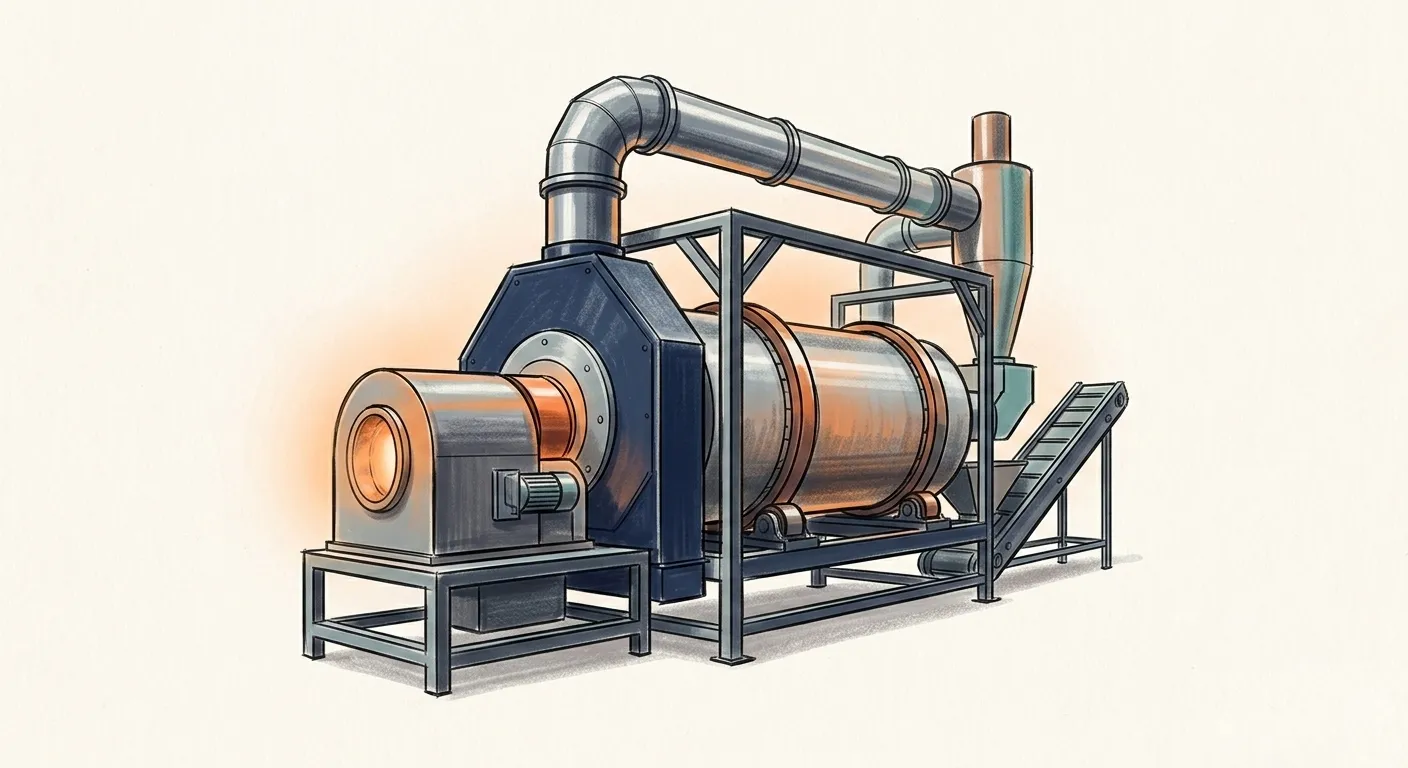
Walk into any plant manager's office and fuel price is usually the first thing on the whiteboard. That's fair, fuel is one of the biggest line items in any t...

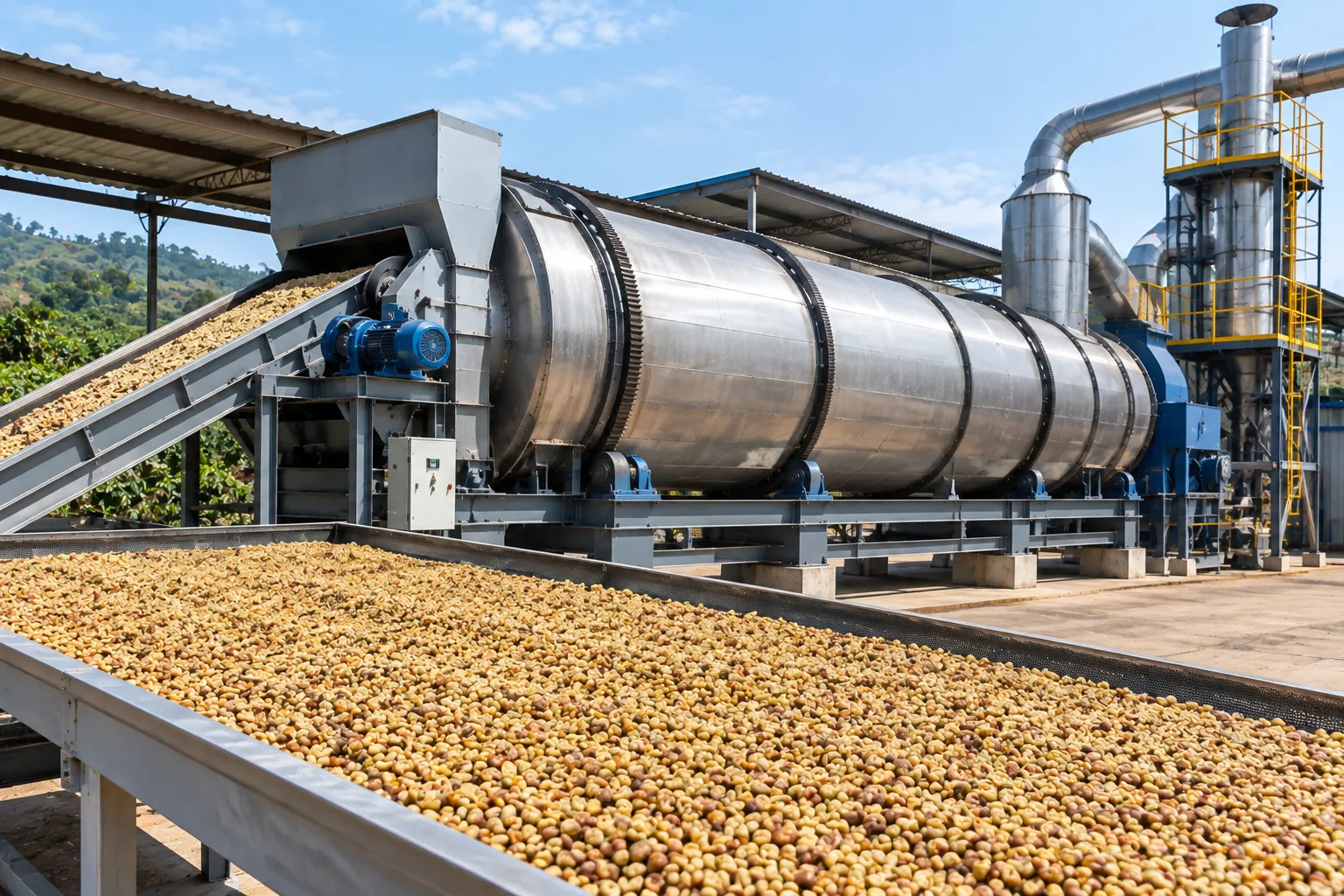
Drying is one of the most underestimated but critical stages in coffee processing , and incorrect drying can destroy months of hard work in just a few days. This article aims to explain what a drying curve is, why non-uniform or too-rapid drying negatively affects the flavor of coffee beans at a chemical level, and how industrial coffee dryers utilize carefully controlled airflows, indirect heating, and real-time moisture analysis to maintain the integrity of coffee crops.

Discover how potato powder is made in industrial plants from washing, peeling, and blanching to drying, grinding, and packing. A simple, step bystep guide to the potato powder production process for manufacturers and food businesses.
Discover how potato powder is made in industrial plants from washing, peeling, and blanching to drying, grinding, and packing. A simple, step bystep guide to the potato powder production process for manufacturers and food businesses.
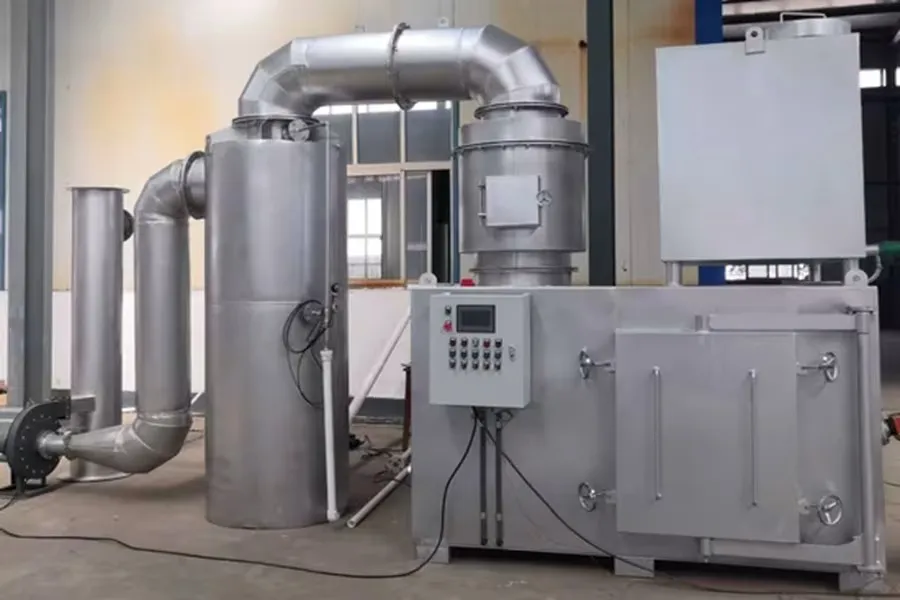
Animal incineration is a safe, hygienic, and eco-friendly way to handle pet remains. This guide explains how the process works, its environmental benefits over burial, how to choose the right incinerator, and how modern facilities address emotional and environmental concerns with dignity and transparency.
Animal incineration is a safe, hygienic, and eco-friendly way to handle pet remains. This guide explains how the process works, its environmental benefits over burial, how to choose the right incinerator, and how modern facilities address emotional and environmental concerns with dignity and transparency.
Think about the last time you opened a packet of dried coriander or cardamom and it smelled like absolutely nothing.That is not a storage problem. That is a ...
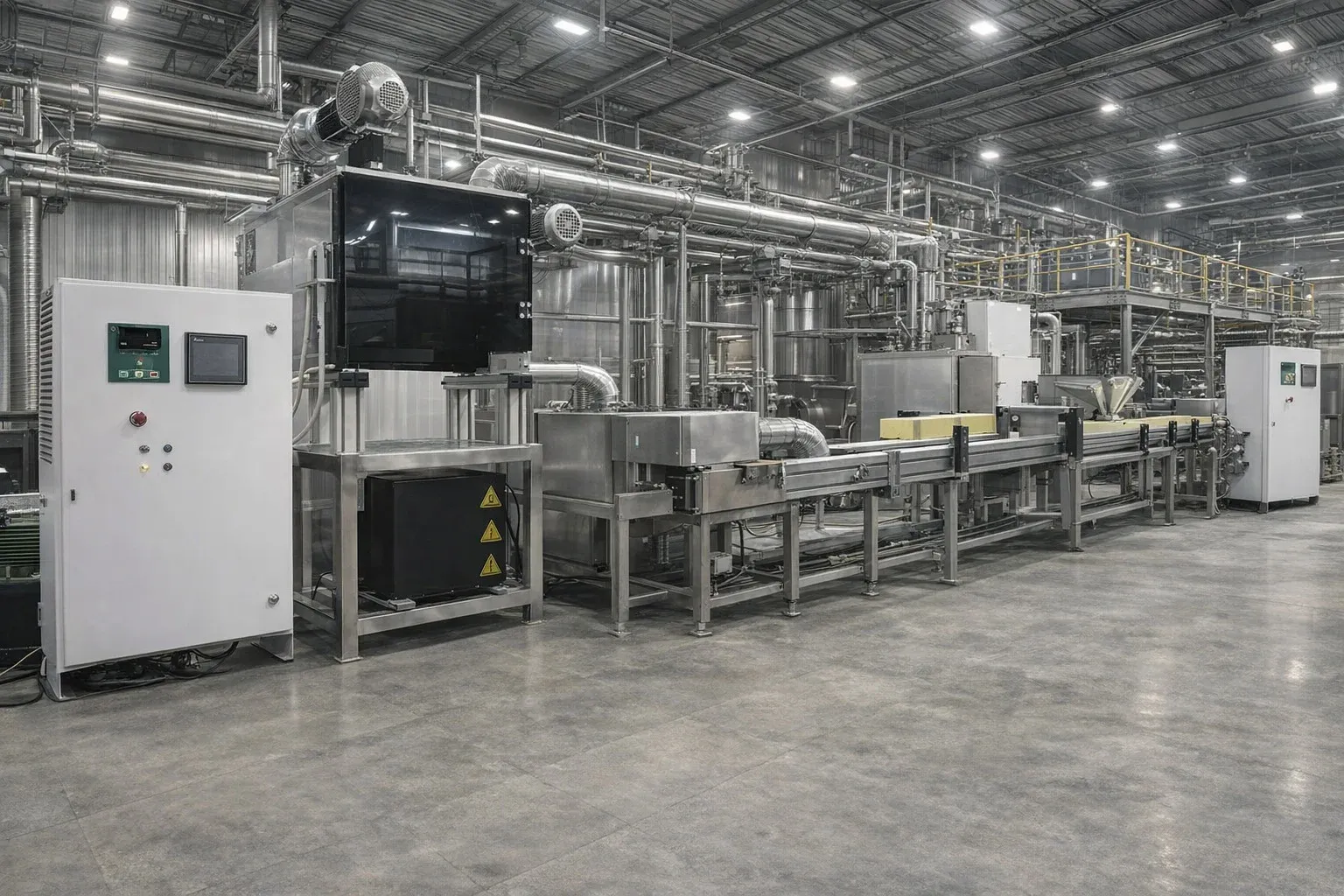
Pharmaceutical packaging is not merely a container — it is the final line of defense between a life-saving drug and the outside world. Every blister pack, vi...
Discover how specialized microwave dryers preserve the vibrant colors, rich flavors, and nutritional value of spices and herbs. Unlike conventional drying methods that degrade quality, microwave drying technology removes moisture quickly while retaining the aromatic compounds and nutrients that make premium spices valuable.
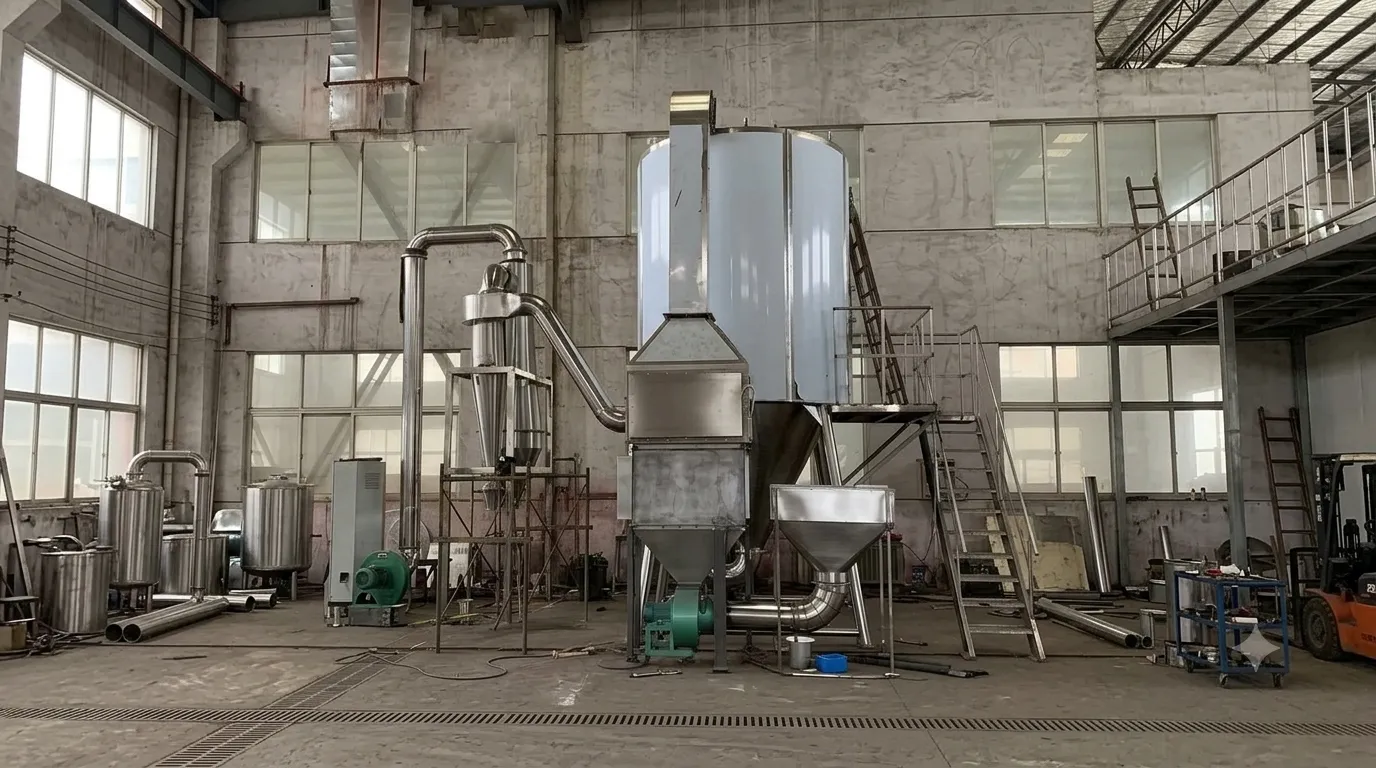
Spray drying converts ceramic slurry into uniform, spherical, free-flowing granules that press and sinter far more consistently than powders made by older methods. The result is fewer defects, lower rejection rates, and better finished products — all from a continuous, easy-to-control process that reduces handling steps and keeps production running efficiently at scale.
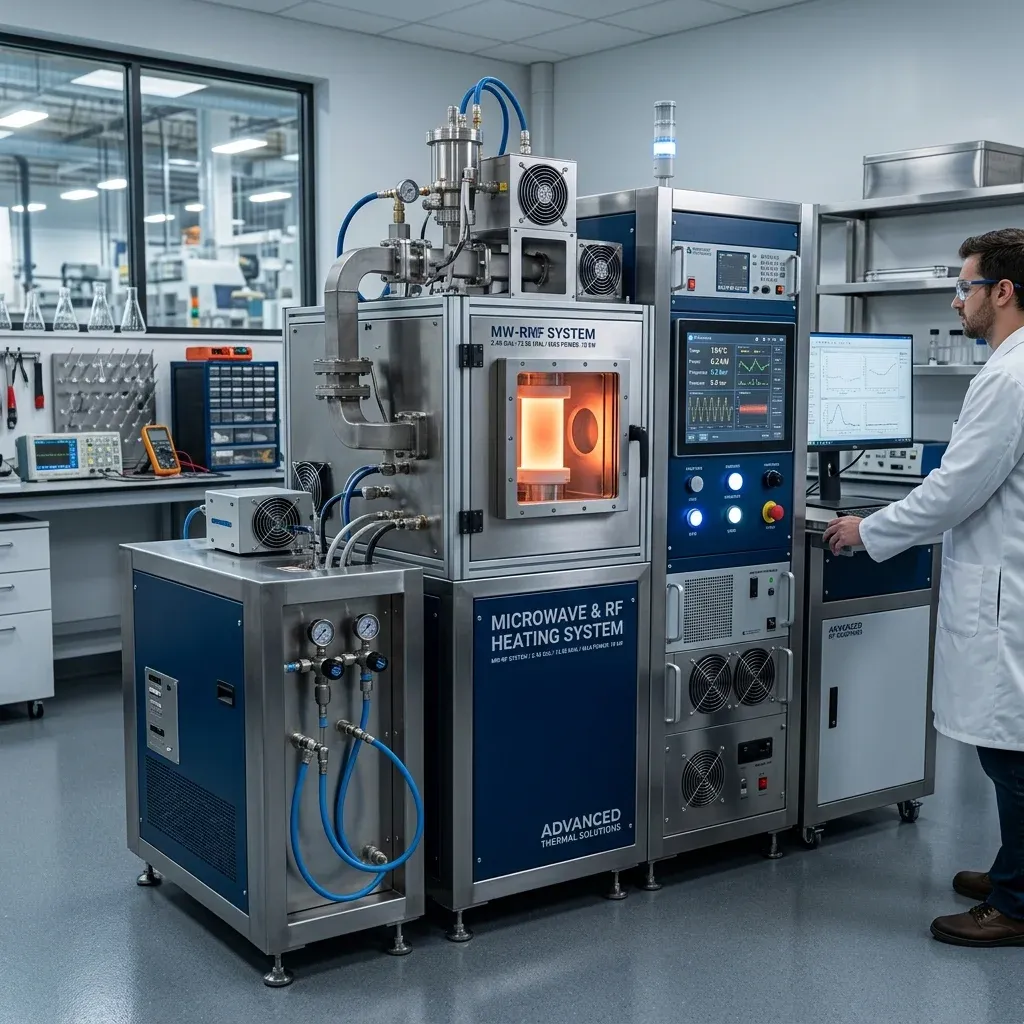
Microwave heating reduces energy waste compared to conventional heating because it heats materials directly from within. This leads to major energy savings (30–50%), faster cycle times, and easier integration with renewable power. Industries like food processing, ceramics, rubber, and chemicals are already seeing results. AIMHHA plays a key role in driving research and adoption of this technology. Manufacturers who adopt it early will gain a cost and sustainability advantage ahead of tightening
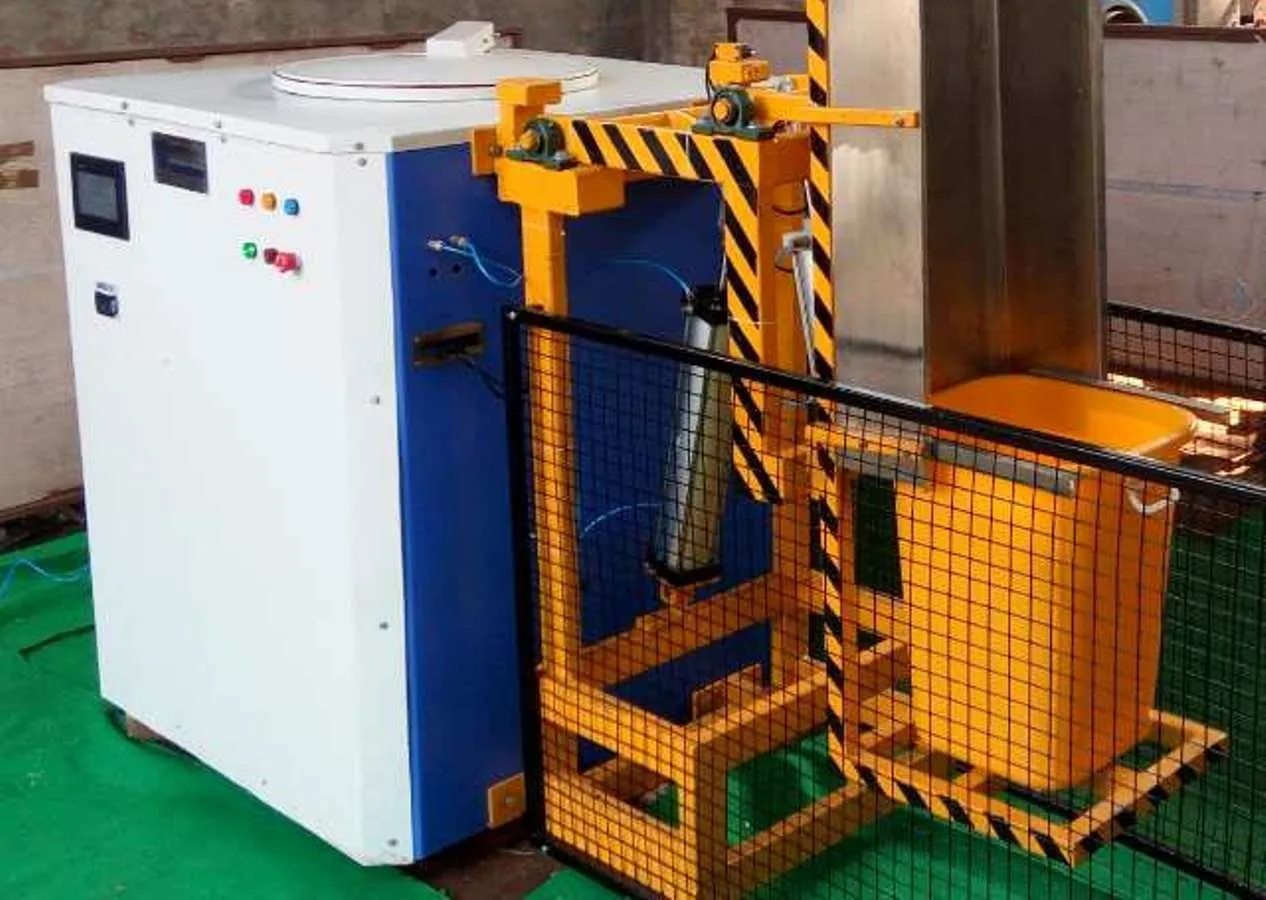
Hospitals generate infectious waste daily that needs safe treatment. This blog explains how an Integrated Autoclave with Shredder combines steam sterilization and shredding in one machine, offering hospitals a clean, smoke-free, space saving alternative to incineration for general biomedical waste.
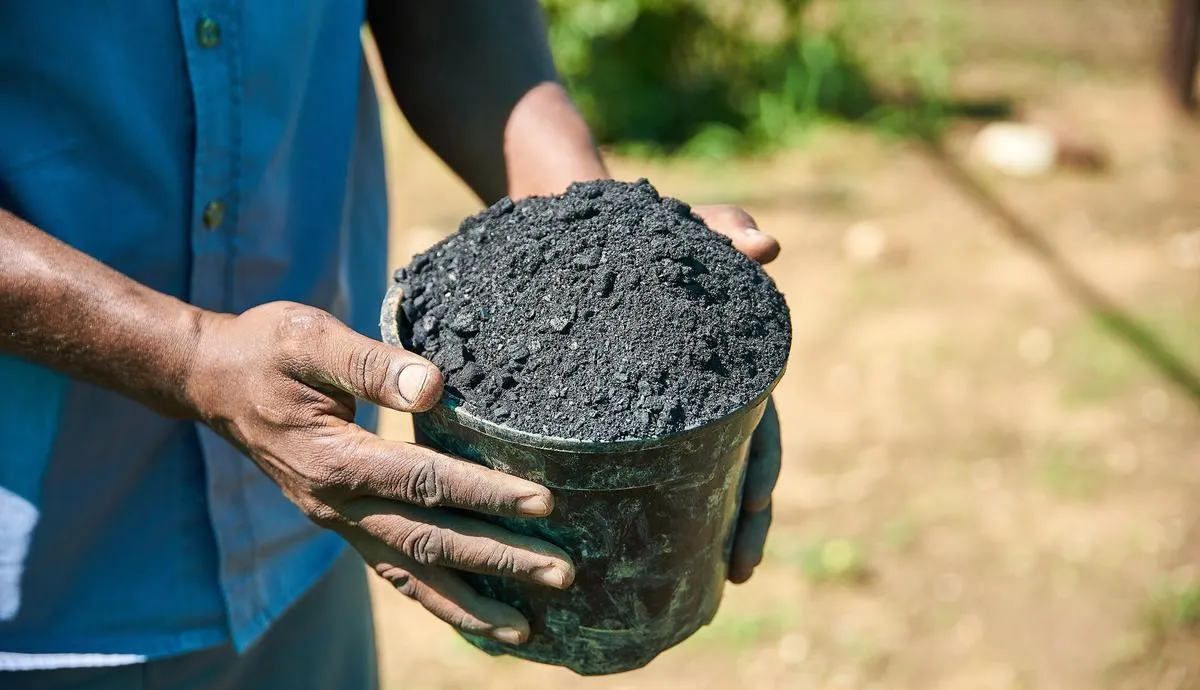
Biomass to biochar is a process that turns farm and industrial waste like rice husk sawdust and straw into something useful. Instead of being burned or dumped this waste is heated in a controlled way to create biochar bio oil and syngas. Biochar helps improve soil health stores carbon for a long time and supports sustainability across agriculture and industry.
Biomass to biochar is a process that turns farm and industrial waste like rice husk sawdust and straw into something useful. Instead of being burned or dumped this waste is heated in a controlled way to create biochar bio oil and syngas. Biochar helps improve soil health stores carbon for a long time and supports sustainability across agriculture and industry.
Hospitals generate infectious waste daily that needs safe treatment. This blog explains how an Integrated Autoclave with Shredder combines steam sterilization and shredding in one machine, offering hospitals a clean, smoke-free, space saving alternative to incineration for general biomedical waste.
Microwave heating reduces energy waste compared to conventional heating because it heats materials directly from within. This leads to major energy savings (30–50%), faster cycle times, and easier integration with renewable power. Industries like food processing, ceramics, rubber, and chemicals are already seeing results. AIMHHA plays a key role in driving research and adoption of this technology. Manufacturers who adopt it early will gain a cost and sustainability advantage ahead of tightening
Spray drying converts ceramic slurry into uniform, spherical, free-flowing granules that press and sinter far more consistently than powders made by older methods. The result is fewer defects, lower rejection rates, and better finished products — all from a continuous, easy-to-control process that reduces handling steps and keeps production running efficiently at scale.
Discover how specialized microwave dryers preserve the vibrant colors, rich flavors, and nutritional value of spices and herbs. Unlike conventional drying methods that degrade quality, microwave drying technology removes moisture quickly while retaining the aromatic compounds and nutrients that make premium spices valuable.