
Losing a pet is hard for any family. Along with the emotional loss, there is also a practical question: what is the right and respectful way to handle the remains? For many years, burial was the only option people knew about. But today, animal incineration has become one of the most trusted, hygienic, and eco-friendly ways to handle pet and animal remains. In this blog, we will explain how animal incinerators work, why they are better for the environment, how they compare to burial, and how to choose the right one for a veterinary clinic, shelter, or crematorium.
Understanding the Process of Animal Incineration
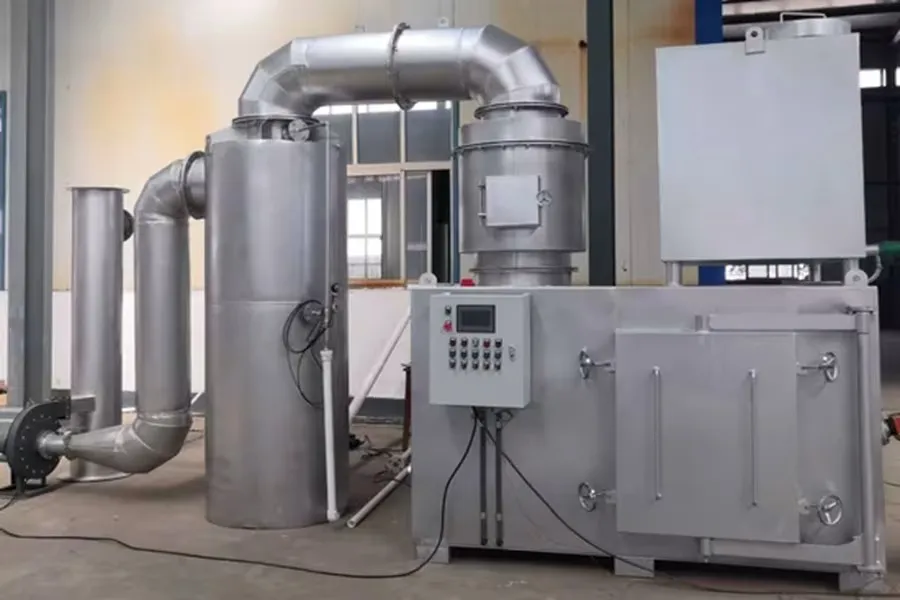
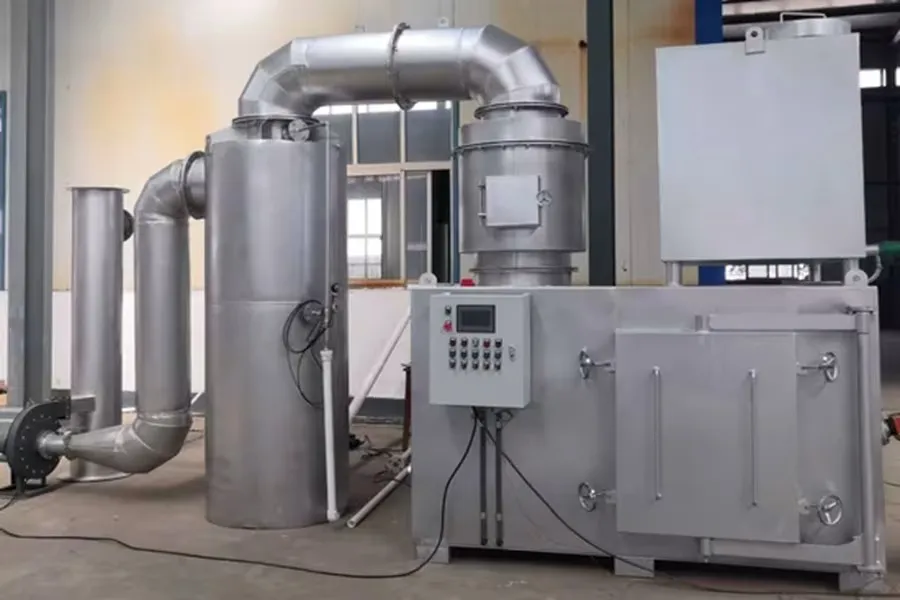
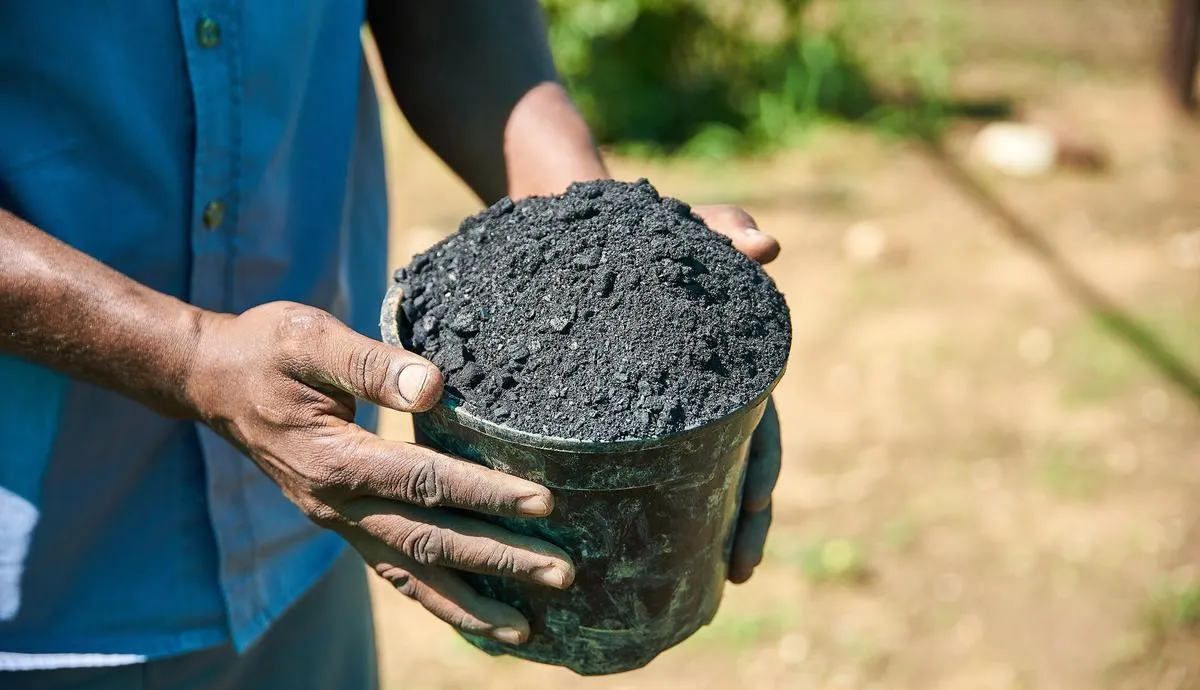
Animal incineration is the controlled burning of animal remains at very high temperatures until they turn into ash and gases. Unlike an open fire, this process happens inside a closed, specially built furnace, so nothing is left exposed and no smell spreads outside.
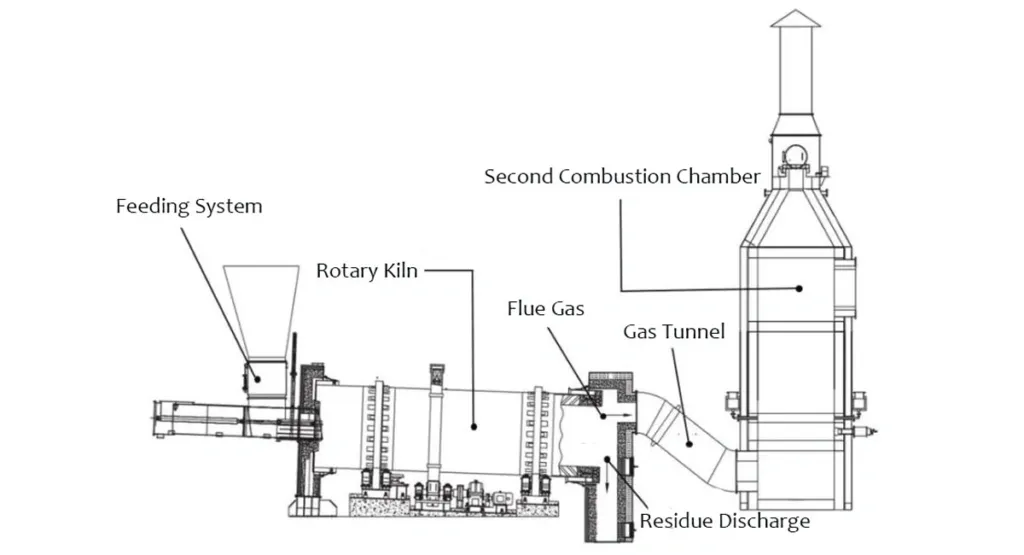
The remains are placed inside the incinerator chamber, where temperatures usually go above 1,400°F (about 760°C). This much heat is enough to destroy bacteria, viruses, and other harmful pathogens that may be present in the body, making the whole process very hygienic. This is one reason why hospitals and veterinary clinics also depend on similar high-temperature incineration systems for safe disposal of biological waste. Modern machines are further supported by a secondary combustion chamber (afterburner), which burns leftover gases a second time at an even higher temperature, so almost nothing harmful escapes into the air.
Good incinerators also come with filtration and scrubber systems. These systems trap dust particles, ash, and pollutants before releasing the remaining air outside, which keeps the emissions well within safe limits.
The Environmental Benefits of Using Animal Incinerators
- Saves land: Cemeteries and burial grounds take up large areas of land, and as more pets are buried every year, this space keeps shrinking. Incineration needs only a small equipment area, so it does not add to land or habitat loss.
- Prevents soil and water pollution: When a body decomposes underground, it can release fluids into the soil. Over time, this can reach groundwater, especially in areas with heavy rainfall or a high water table. Incineration removes this risk completely, since the remains are turned into sterile ash.
- Stops the spread of disease: If an animal has died from an infectious disease, burial can sometimes allow pathogens to survive in the soil for a long time. High-temperature incineration destroys these pathogens immediately, which is especially useful for farms, shelters, and disease-control situations.
- Energy recovery: Many modern incinerators are built to capture the heat released during burning. This heat can be reused to run the facility itself or even support nearby energy needs, turning a disposal process into something useful
Many industries facing similar waste-handling challenges have already moved toward advanced, low-emission systems. If you want to understand how large facilities manage waste and heat responsibly, Kerone's environmental and green engineering solutions are a good example of how emission control and sustainability come together in real industrial setups.
Comparing Incineration with Traditional Burial Methods
Burial has been used for centuries, but it comes with a few drawbacks that people don't always think about:
- Chemicals: Traditional burial often uses embalming fluids and caskets made of wood, metal, or plastic. These materials do not break down easily and can add chemicals to the soil over time.
- Slow decomposition: A buried body can take months or even years to decompose fully, depending on soil type and climate. During this time, there is a risk of bad odour and pests, especially in shallow or poorly maintained burial sites.
- Space and long-term maintenance: A burial plot needs to be looked after for years, while incineration gives an immediate and complete result within hours.
Incineration removes almost all of these problems. There are no embalming chemicals, no long decomposition period, and no ongoing land use. For families and facilities that want a quick, clean, and respectful way to say goodbye, incineration is often the more practical choice.
Choosing the Right Animal Incinerator for Your Needs
If you are running a veterinary clinic, animal shelter, or pet crematorium, picking the right incinerator is an important decision. Here are the main factors to think about:
- Size and capacity: Small clinics may only need a compact unit for individual pet cremations, while shelters or animal control facilities dealing with larger volumes will need bigger batch incinerators.
- Fuel type: Incinerators can run on diesel, natural gas, or LPG. The right choice depends on what fuel is easily available in your area and your budget for daily operating costs.
- Combustion efficiency: A good incinerator should have a primary chamber for burning the remains and a secondary chamber (afterburner) to burn leftover gases, which reduces smoke and odour.
- Emission control systems: Always check for proper filtration, scrubbers, and chimney height, since these directly affect how clean and compliant the unit is.
- Certifications and compliance: Look for machines that meet local pollution control board norms and international emission standards. This protects you from legal issues and also shows your commitment to responsible practices.
Choosing a well-engineered, compliant thermal system is just as important in this industry as it is in other high-temperature industrial processes. For example, businesses that need reliable combustion-based equipment for other applications often study designs used in industrial ovens and heating systems, where uniform heat distribution and safe operation are equally critical. If your facility is planning a large-scale, custom-built incineration or thermal processing setup, it can help to consult with experienced thermal engineering teams, such as through Kerone's contact page, to understand what specifications suit your exact requirement.
Addressing Common Concerns About Animal Incineration
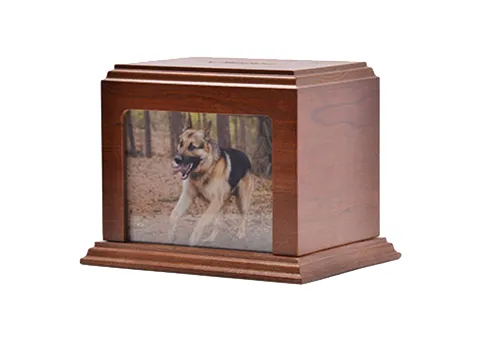
Emotional concerns: Many pet owners worry that incineration feels impersonal. In reality, most modern pet crematoriums now offer individual (private) cremation, where only one pet is cremated at a time, along with services like witnessing the cremation, receiving the ashes in a chosen urn, or even paw-print keepsakes. This makes the process personal and respectful rather than cold or mechanical.
Environmental concerns: Some people assume that any kind of burning must be bad for the air. However, todays incinerators are built with strict emission control in mind. Features like secondary combustion chambers, scrubbers, and filtration systems are specifically designed to reduce smoke, odour, and pollutants. Facilities that maintain and service their machines regularly usually stay well within safe emission limits.
Cost and maintenance concerns: A quality incinerator does require an upfront investment, but it saves money over time by avoiding repeated land costs, embalming supplies, and manual labour associated with burial. Regular servicing keeps the machine efficient and long-lasting.
Transparency plays a big role here too. When a facility is open about its process, fuel type, emission testing, and certifications, it becomes much easier for pet owners and communities to trust the service.

Conclusion
Animal incineration is not just a disposal method, it is a dignified, hygienic, and environmentally responsible way to handle the loss of a pet or animal. It saves land, prevents pollution, stops the spread of disease, and even offers energy recovery in modern systems. Whether you are a pet owner exploring options or a facility owner planning to invest in the right equipment, understanding this process helps you make a better, more informed decision.
As more veterinary clinics, shelters, and crematoriums move toward eco-friendly practices, choosing well-engineered, compliant incineration equipment will only become more important. Facilities looking to explore sustainable, high-performance thermal engineering solutions can also look into providers with strong experience in industrial heating and environmental systems, since the core engineering principles behind clean, efficient combustion are shared across industries























Sign in to leave a comment.