

Potato powder is one of those everyday ingredients that most people never think about, yet it is used almost everywhere. It goes into potato chips, instant mashed potato, soups, snacks, gravies, bakery products, and even baby food. In simple words, potato powder is just potatoes that have been washed, cooked, dried, and ground into a fine powder. Once made, it can be stored for months, takes up very little space, and is much easier to transport than fresh potatoes, which spoil quickly.
If you have ever opened a packet of instant mashed potato and wondered how that soft, light powder comes from a hard raw potato, this blog will walk you through the entire industrial process, step by step, in simple words.
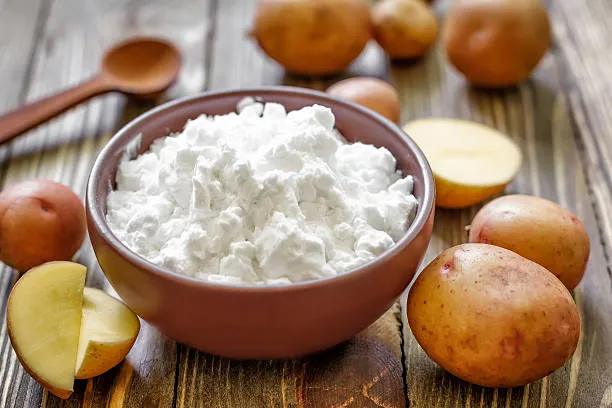
Why Potato Powder Is So Popular
Before we go into the process, it helps to understand why factories bother making potato powder in the first place. Fresh potatoes contain a lot of water, which means they rot fast and are heavy to transport. Once the water is removed and the potato is turned into powder, it becomes light, shelf-stable, and easy to use in recipes just by adding water. This is why food companies, hotels, and even the army and disaster relief teams rely on potato powder as a ready-to-use ingredient.
Step 1: Washing and Cleaning
The process always begins with fresh, good quality potatoes. These potatoes are loaded into a washing unit where strong water jets and rotating brushes remove mud, stones, and dirt sticking to the skin. This step is important because any leftover dirt can affect the taste, color, and safety of the final powder. Clean raw material is the first step toward a clean final product.
Step 2: Peeling
Once washed, the potatoes move to a peeling machine. These machines use friction, blades, or steam to remove the outer skin quickly and in bulk. Peeling is important because the skin can make the powder look dull or give it a slightly bitter taste. A good peeling process also reduces waste, since it removes only a thin layer of skin and keeps most of the useful potato flesh
Step 3: Slicing or Cutting
After peeling, the potatoes are cut into small pieces, cubes, or thin slices. This is done because smaller pieces cook faster and more evenly than whole potatoes. It also helps the potato lose moisture more efficiently in later drying steps, since smaller pieces have more surface area exposed to heat.
Step 4: Blanching
The cut potato pieces are then dipped briefly into hot water or steam, a process called blanching. This step has a few important jobs: it stops enzymes in the potato from causing browning, helps keep the natural color, and slightly softens the potato for the cooking stage ahead. Skipping this step can lead to a powder that looks grey or brown instead of the natural creamy white or yellow color customers expect.
Step 5: Cooking and Mashing
Next, the blanched potato pieces are fully cooked until soft, then mashed into a smooth, thick paste. This mashed potato is the base material that will eventually turn into powder. The consistency of the mash matters a lot here - if it's too watery or too lumpy, it can create problems in the drying stage that follows.
Step 6: Drying - The Most Important Step
This is where the real transformation happens. The mashed potato is spread out in a thin, even layer and passed through industrial drying equipment. The heat gently and evenly removes almost all the water content, turning the soft paste into dry, thin, crisp flakes.
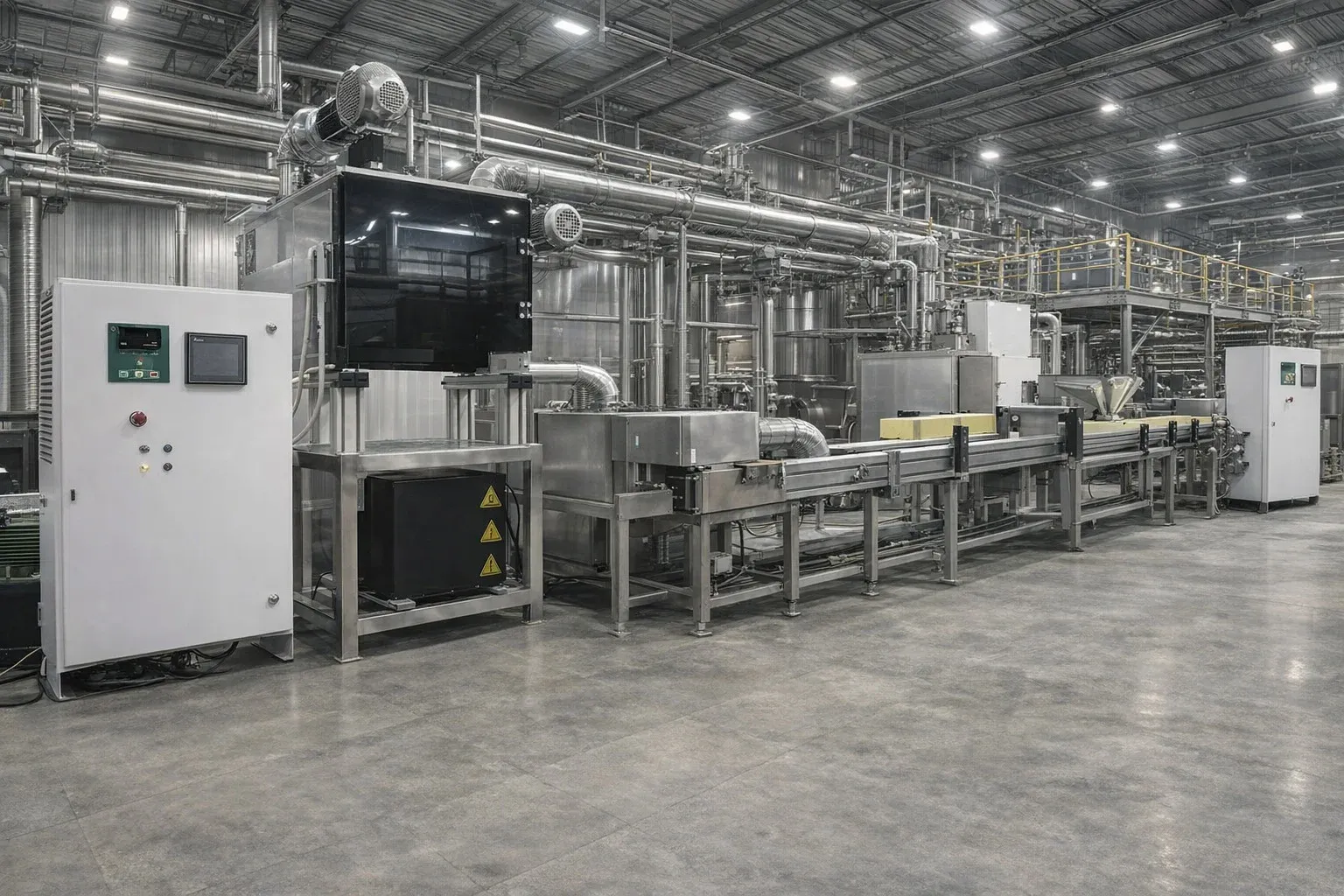
Getting this step right is critical. If the drying is uneven, too fast, or too slow, it can affect the color, taste, texture, and shelf life of the final powder. This is exactly why food processing companies prefer working with experienced equipment manufacturers. Kerone designs dedicated potato powder production plants that are built to dry the potato mash evenly and hygienically, while also being energy-efficient — a big advantage for factories running large volumes every day.
Step 7: Grinding
Once the potato has dried into flakes, it becomes brittle and crumbly. These dried flakes are fed into grinding machines, which crush them down into a fine, uniform powder. The fineness of the grinding can be adjusted depending on whether the powder is meant for instant mash, snacks, or bakery use.
Step 8: Sifting and Quality Check
After grinding, the powder passes through sieves or sifters to remove any lumps or larger particles that didn't grind properly. This ensures the final powder has a smooth, even texture throughout. At this stage, factories usually also run quality checks for moisture level, color, and taste before moving to packing
Step 9: Packing and Storage
The final powder is packed into air-tight bags, pouches, or containers. This step matters a lot because potato powder easily absorbs moisture from the air, and if it isn't sealed properly, it can turn lumpy or spoil faster. Proper packing also protects the powder from light and contamination during transport and storage
Why the Drying Step Decides Everything
Out of all the steps above, drying is the one that has the biggest impact on the final product. Poorly designed drying equipment can lead to potato powder that is discolored, unevenly dried, lumpy, or that spoils much faster than it should. On the other hand, well-designed drying systems keep the process hygienic, consistent, and efficient, even when running at large industrial volumes.
This is why many food manufacturers choose to work with companies that specialize in food-grade drying technology rather than building the process on their own. Kerone has years of experience designing heating and drying systems specifically for the food processing industry, helping manufacturers achieve consistent quality, batch after batch.
Common Uses of Potato Powder
Once made, potato powder finds its way into many everyday products:
- Instant mashed potatoes and ready-to-cook mixes
- Potato chips and extruded snacks
- Soups, gravies, and sauces as a thickening agent
- Bakery products like bread and biscuits
- Baby food formulations

Conclusion
Making potato powder looks simple on the surface, but it actually involves a careful, well-controlled process - from washing and peeling all the way to drying, grinding, and packing. Every single step plays its own role in deciding the final taste, color, texture, and shelf life of the powder, and even a small mistake at any stage can affect the quality of the finished product.
Among all these steps, drying stands out as the most important one, since it directly determines how good the final powder will turn out to be. This is why choosing the right equipment and the right technology partner matters so much for food manufacturers who want consistent, high-quality results at scale.
If you are planning to set up a potato powder production plant, or simply want expert guidance on choosing the right drying and processing equipment, you can get in touch with the Kerone team. Their experience in food processing equipment can help you build a plant that produces high-quality potato powder efficiently and reliably.
























Sign in to leave a comment.