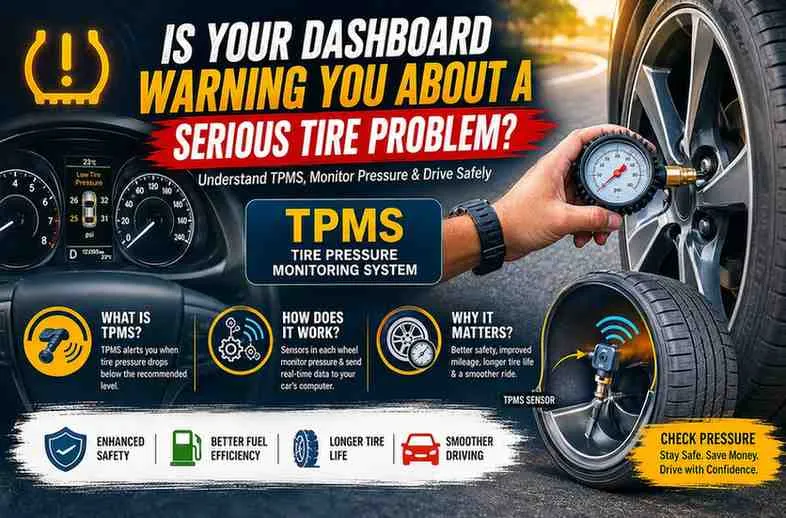

Modern vehicles are packed with safety features designed to protect drivers and passengers. Among these features, dashboard warning lights play a crucial role in alerting you when something needs attention. While many drivers immediately react to engine or brake warnings, tire-related alerts are often ignored until a bigger problem develops. Unfortunately, overlooking a tire pressure warning can affect vehicle performance, fuel efficiency, and most importantly, road safety.
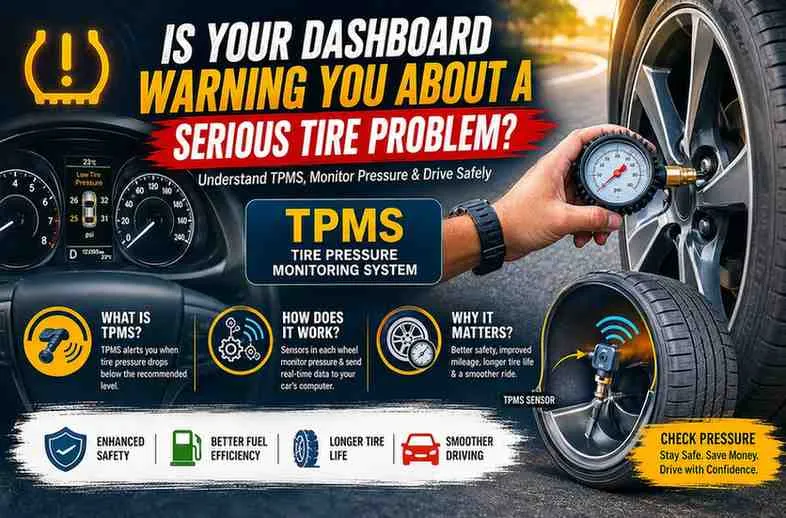
If you've ever noticed a yellow tire-shaped symbol lighting up on your dashboard, you may have wondered, what does tpms mean on a car and whether it requires immediate action. The answer is simple: TPMS stands for Tire Pressure Monitoring System, and it is designed to notify you when one or more tires are operating outside the recommended pressure range. While it may seem like a minor issue at first, driving with incorrect tire pressure can lead to uneven tire wear, reduced handling, and even tire failure in extreme situations.
Understanding Why Tire Pressure Matters
Many drivers underestimate the importance of maintaining proper tire pressure. Tires are the only point of contact between your vehicle and the road. Their condition directly influences braking performance, steering response, stability, and overall driving comfort.
In countries like India, where road conditions can vary dramatically between highways, city roads, and rural routes, maintaining correct tire pressure becomes even more important. A tire that is underinflated may struggle to handle rough roads efficiently, while an overinflated tire may provide less grip and a harsher ride.
Even seasonal weather changes can impact tire pressure. During colder months, tire pressure naturally decreases, while hot temperatures can increase it. This is one reason why dashboard tire warnings often appear unexpectedly.
The Hidden Risks of Ignoring a TPMS Warning
A TPMS warning light should never be treated as an inconvenience. It is an early indication that your vehicle needs attention before a small issue turns into an expensive repair.
When tire pressure drops below the recommended level, the tire creates more rolling resistance. This forces the engine to work harder, leading to increased fuel consumption. Over time, the tire's sidewalls experience additional stress, which accelerates wear and reduces the lifespan of the tire.
Low tire pressure can also negatively affect braking distances and vehicle control. During emergency maneuvers, improperly inflated tires may not respond as effectively, increasing the risk of accidents. On highways, where vehicles travel at higher speeds, the consequences can be even more severe.
How Modern TPMS Technology Protects Drivers
Vehicle manufacturers introduced TPMS systems to improve road safety and help drivers maintain optimal tire conditions. Understanding how does tyre pressure monitoring system work can help you appreciate why this technology is so valuable.
The system continuously monitors tire pressure through sensors installed inside each wheel or through indirect monitoring methods that analyze wheel speed data. When the system detects that tire pressure has fallen below the recommended threshold, it immediately triggers a warning light on the dashboard.
This real-time monitoring allows drivers to identify pressure issues before they become dangerous. Instead of discovering a problem after experiencing poor handling or a flat tire, the TPMS provides an early warning that encourages preventive maintenance.
As automotive technology continues to evolve, TPMS systems have become increasingly accurate and reliable, making them an essential part of modern vehicle safety.
Common Reasons Your TPMS Light Comes On
A TPMS warning light does not always indicate a puncture. In many cases, the issue may be relatively simple to resolve.
Temperature changes are among the most common causes. A sudden drop in outside temperature can reduce tire pressure enough to trigger the warning light. Similarly, normal air loss over time can gradually bring pressure below recommended levels.
In some situations, the TPMS sensor itself may require recalibration or replacement. Sensor batteries typically last several years but eventually wear out. After tire rotations or wheel replacements, the system may also need resetting to ensure accurate readings.
Regardless of the cause, the warning should never be ignored. A quick inspection can often prevent larger problems down the road.
The Benefits of Maintaining Proper Tire Pressure
Keeping your tires properly inflated offers benefits that extend beyond safety. Correct tire pressure helps improve fuel economy by reducing rolling resistance and allowing the vehicle to operate more efficiently.
Properly inflated tires also wear more evenly, which means you will not need to replace them as frequently. This can lead to significant savings over the life of the vehicle.
Additionally, handling and ride comfort improve noticeably when tires are maintained according to manufacturer specifications. Whether navigating busy city streets or embarking on long highway journeys, correct tire pressure contributes to a smoother and more predictable driving experience.
For drivers who regularly travel long distances, especially during family road trips, these benefits can make a substantial difference in both comfort and safety.
Developing a Simple Tire Maintenance Habit
Many vehicle owners only check tire pressure when a warning light appears. However, adopting a proactive maintenance routine can help prevent issues before they occur.
Experts generally recommend checking tire pressure at least once a month and before any long journey. Tire pressure should ideally be measured when the tires are cold, as driving generates heat that can temporarily increase pressure readings.
Vehicle manufacturers provide recommended pressure levels in the owner's manual and often on a sticker located inside the driver's door frame. Following these specifications helps ensure optimal performance and safety.
A few minutes spent checking tire pressure can prevent costly repairs, improve fuel efficiency, and extend tire life significantly.
Conclusion
A TPMS warning light is more than just another dashboard notification—it is a valuable safety alert that deserves immediate attention. Ignoring low tire pressure can affect fuel economy, tire lifespan, vehicle handling, and overall road safety. Understanding what the warning means and responding quickly can help you avoid unnecessary risks and expenses.
Regular tire inspections and pressure checks remain some of the simplest yet most effective vehicle maintenance practices. If you're unsure about checking your tire pressure yourself, learning how to read a tyre pressure gauge guide can make the process straightforward and accurate. By staying proactive and paying attention to your vehicle's warnings, you can enjoy safer, smoother, and more efficient driving every day.





























Sign in to leave a comment.