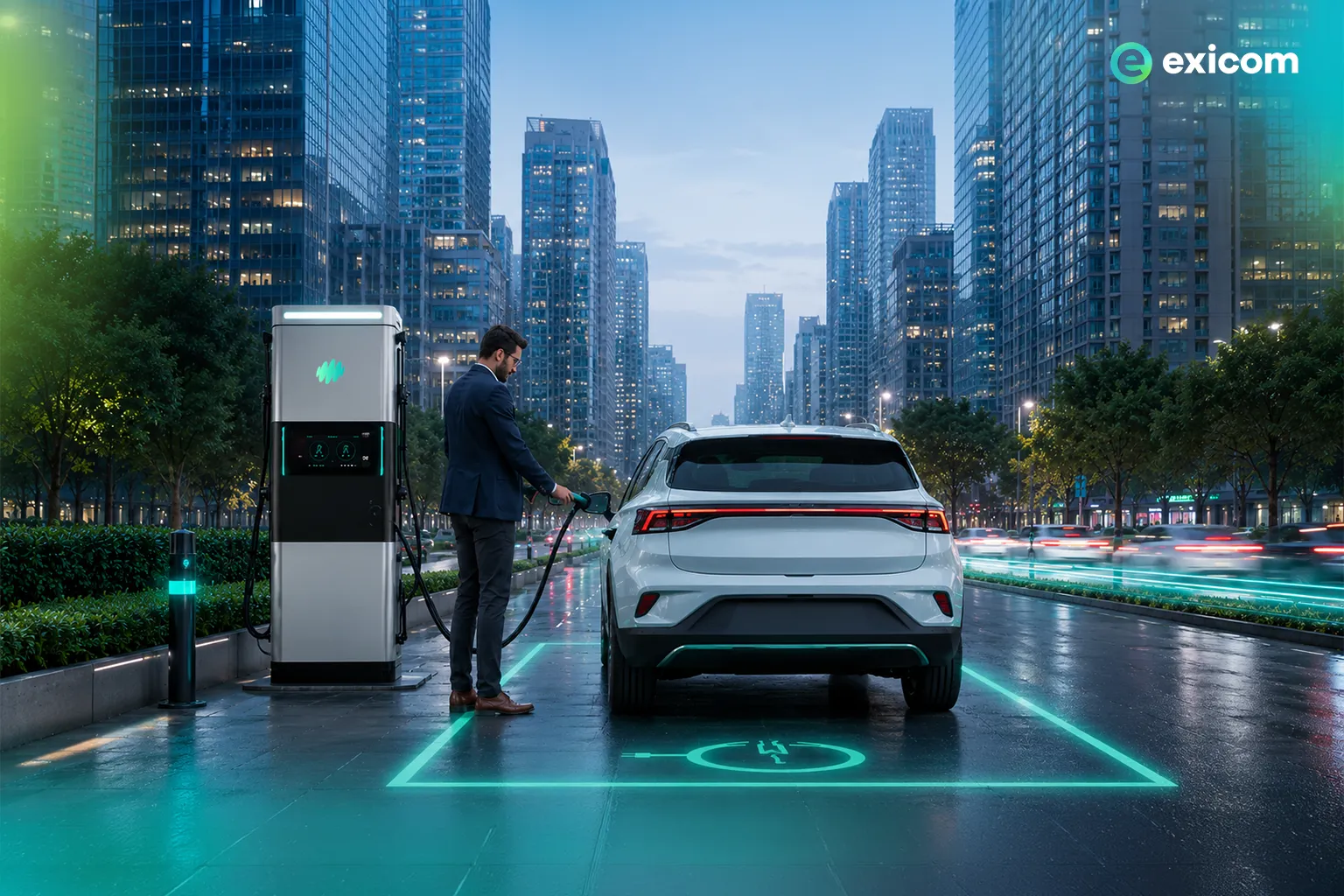

Electric vehicles are becoming a common sight in cities around the world. From daily commuters to ride-hailing fleets, more drivers are choosing cleaner mobility options. Yet, one question continues to challenge urban planners and EV users alike: how do you charge thousands of electric vehicles in cities where space is already limited?
The answer isn't as simple as installing more charging stations.
The Urban Charging Challenge
Dense urban areas face unique obstacles. Apartment complexes often lack dedicated charging facilities, public parking spaces are limited, and upgrading electrical infrastructure can be expensive and time-consuming.
For many city residents, owning an EV isn't the difficult part. Finding a convenient place to charge it is.
Without thoughtful planning, increasing EV adoption could lead to overcrowded charging stations, longer wait times, and frustrated drivers.
Shared Charging Spaces Are Becoming Essential
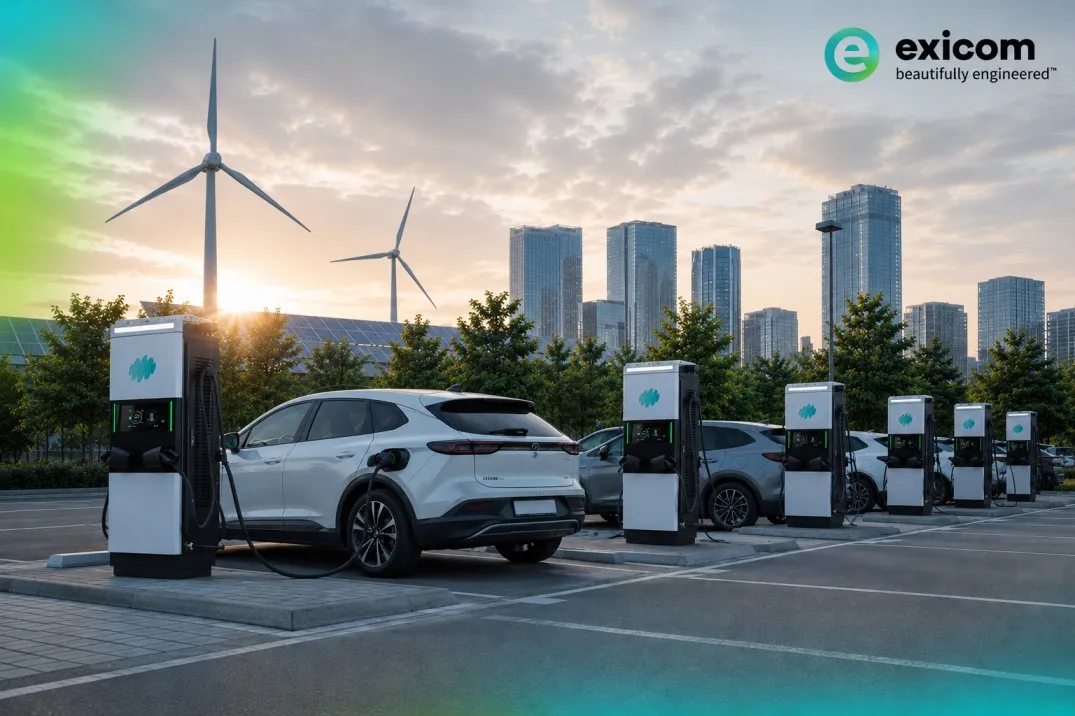
Instead of assigning one charger to one vehicle, cities are increasingly exploring shared charging models. Charging hubs in shopping centres, office buildings, transit stations, and community parking areas can serve multiple users throughout the day.
These locations already attract regular traffic, making them practical choices for expanding access without requiring entirely new infrastructure.
Smarter Energy Management Makes a Difference
Urban power grids were not originally designed to support hundreds of vehicles charging simultaneously. Intelligent energy management systems help distribute available power efficiently, reducing the risk of overload.
By balancing electricity demand and prioritising charging sessions based on real-time needs, operators can maximise existing capacity while avoiding unnecessary upgrades.
Residential Communities Need Flexible Solutions
Apartment societies represent one of the biggest opportunities for EV growth. However, they also face concerns around installation costs, billing transparency, and parking allocation.
Flexible charging setups that support user authentication, consumption tracking, and shared usage can help residential communities embrace electric mobility without major disruptions.
Fast Charging Has Its Place
Not every driver has the luxury of overnight charging. Delivery fleets, taxi operators, and people with busy schedules often require quick turnaround times.
Strategically placed fast chargers near commercial districts and high-traffic corridors can support these users while complementing slower residential charging options.
The goal isn't to make every charger ultra-fast. It's to provide the right charging solution in the right location.
Building Cities That Are EV-Ready
Urban mobility is evolving rapidly. As electric vehicles become mainstream, charging infrastructure must evolve alongside them.
Success will depend on collaboration between city authorities, property developers, charging providers, and energy companies. Smart planning, efficient energy use, and accessible charging experiences will play a much bigger role than simply increasing charger counts.
The future of EV charging in cities isn't about finding more space. It's about using existing resources more intelligently.
As urban populations continue to grow, the cities that embrace innovative charging strategies today will be the ones best prepared for tomorrow's electric future.
Read the original insights here: https://www.exicom.com/insights/blogs/what-solutions-exist-for-ev-charging-in-dense-urban-areas

























Sign in to leave a comment.