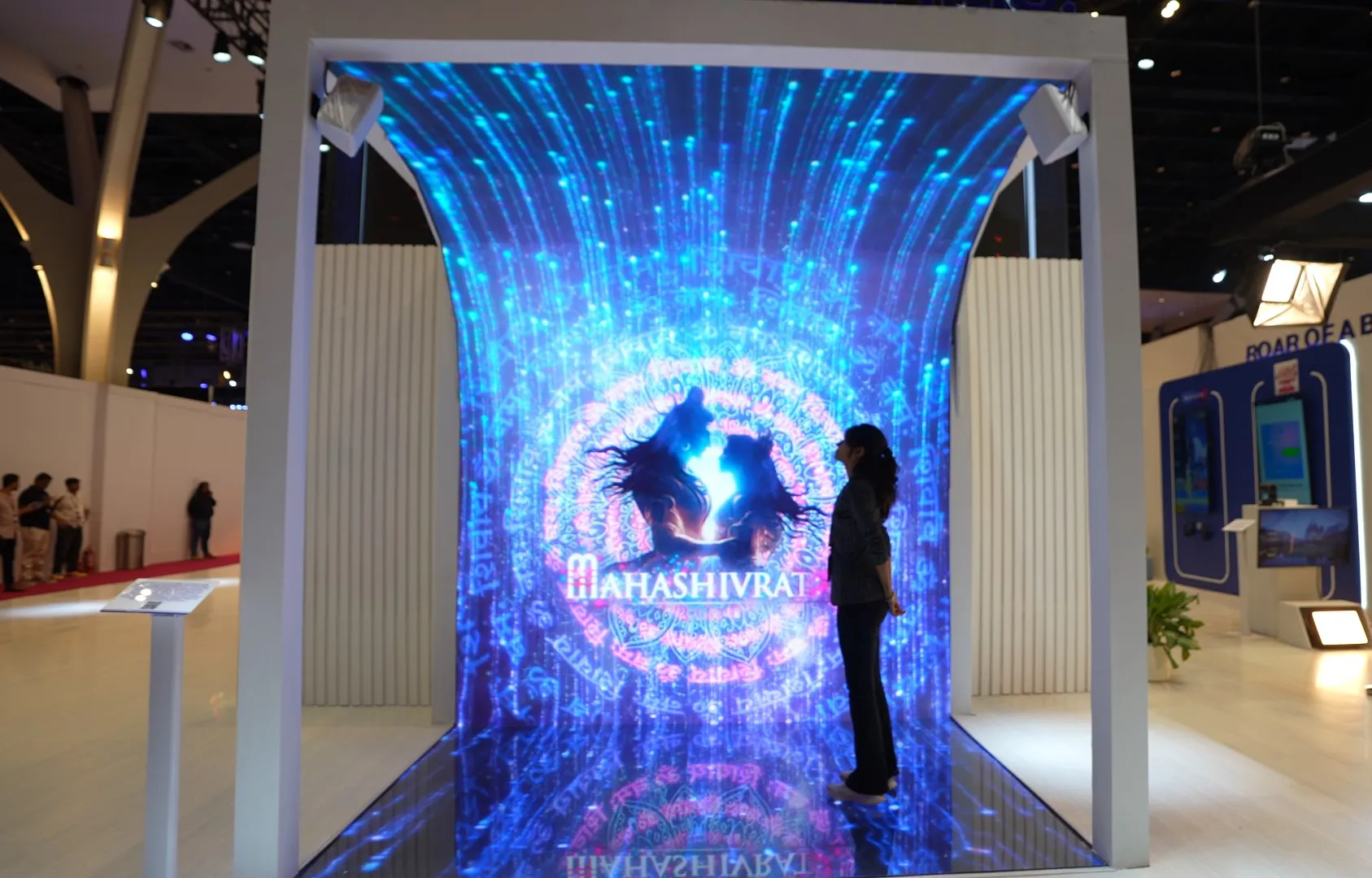

The history of brand communication is a history of increasing proximity. Print — words on a page, distant from the product. Then radio, then television, then digital screens. Each step brought the brand closer to the customer, but always with a screen between them.
The interactive experience center represents something different: the removal of that distance. Not literally — many experience centers are full of screens — but conceptually. For the first time in mass-market brand communication, the customer is inside the story. They are not watching it. They are participating in it.
That is a profound shift. And understanding it changes how you think about every other communication channel your brand uses.
From Broadcast to Dialogue
Traditional brand communication is fundamentally broadcast. A brand decides what it wants to say, designs the message, and sends it toward an audience. The audience receives it or does not.
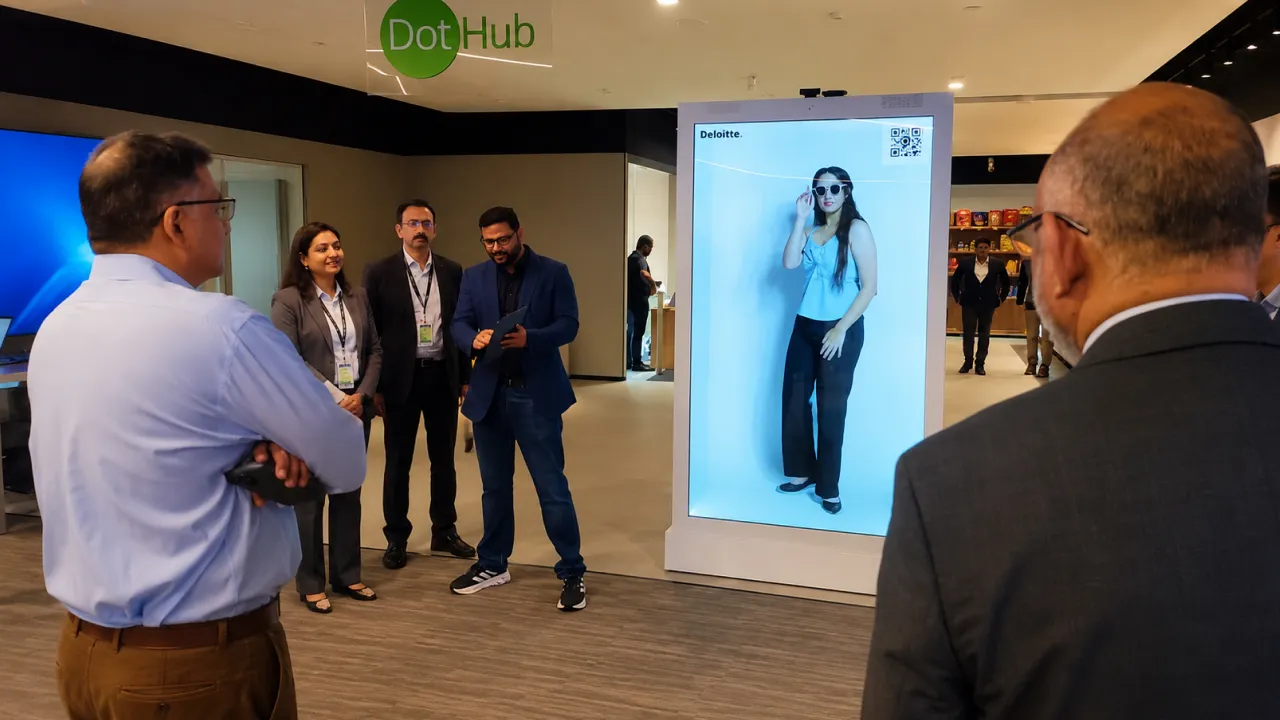
Experience centers are fundamentally dialogic. A visitor arrives with their own questions, their own doubts, their own knowledge gaps. A well-designed experience center meets each visitor where they are and gives them what they actually need — not what the brand decided to say.
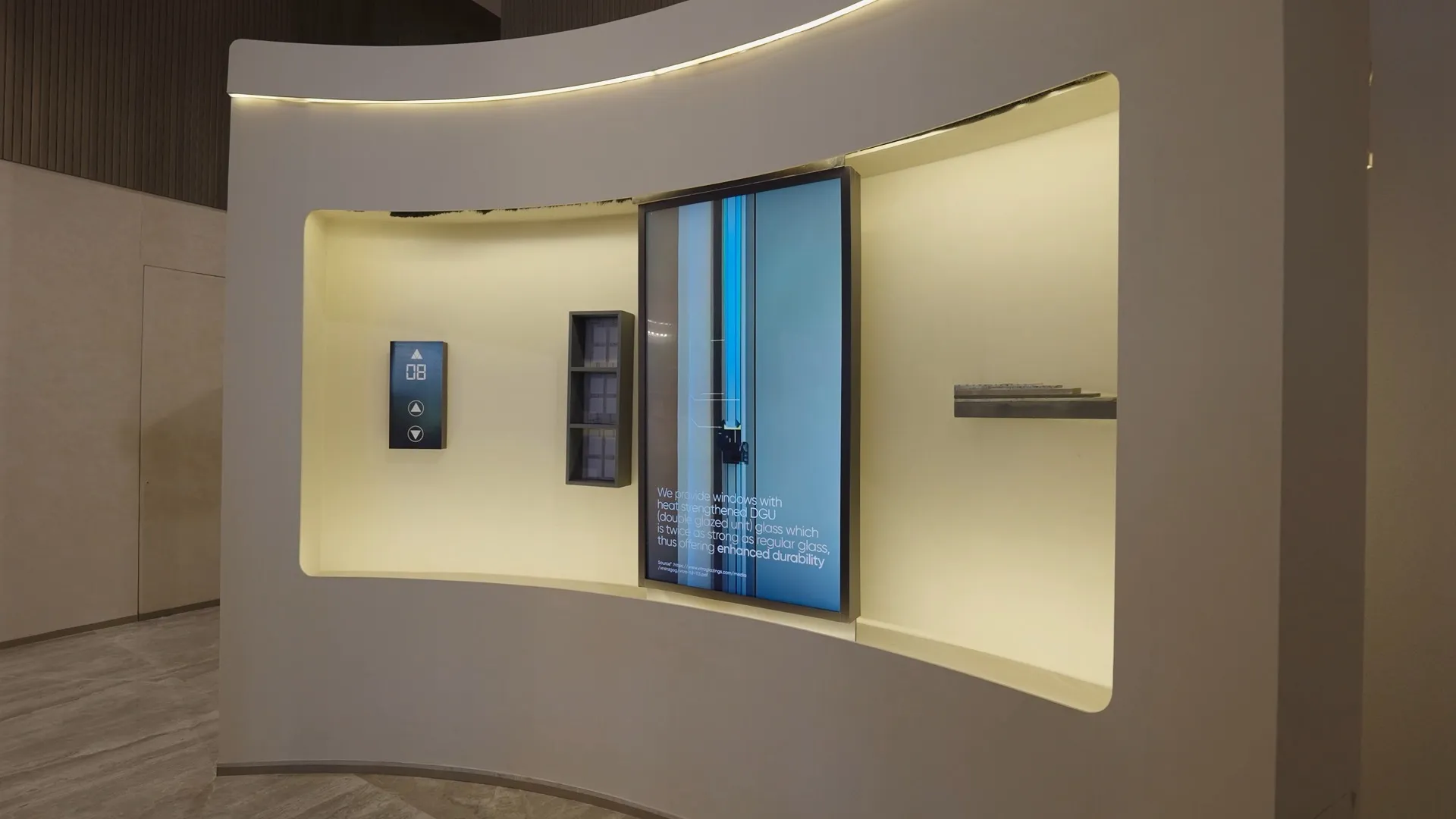
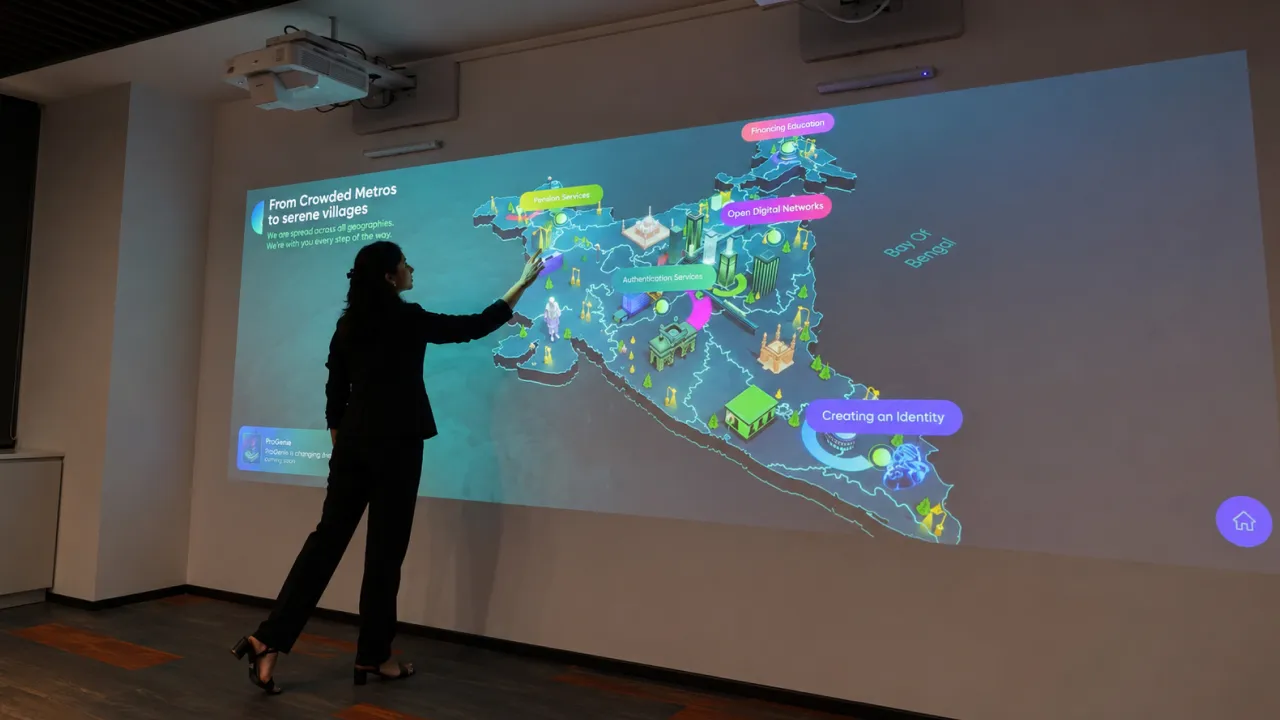
The Interactive Touchscreen Wall at Godrej Trilogy's experience center embodies this. The wall did not present information in a predetermined sequence. It invited buyers to navigate based on their own curiosity. Some spent their entire twenty minutes on construction quality. Others went deep on materials. Others followed the view and orientation data. Each buyer received a different experience — shaped by their own questions — and each left with a higher level of genuine understanding as a result.
The Shift in What Buyers Trust
People trust experiences more than they trust messages. When you have done something, seen something work, played through a scenario and understood the outcome — that knowledge feels fundamentally different from something you were told.
This is why experiential memory is so much more durable than informational memory. And it is why brands that invest in creating genuine experiences — rather than polished communications — tend to generate higher levels of buyer confidence and lower levels of buyer's remorse.
The connection between experiential design and buyer trust is explored in depth here: Experiential marketing for buyer trust.
A New Language for Brand Communication
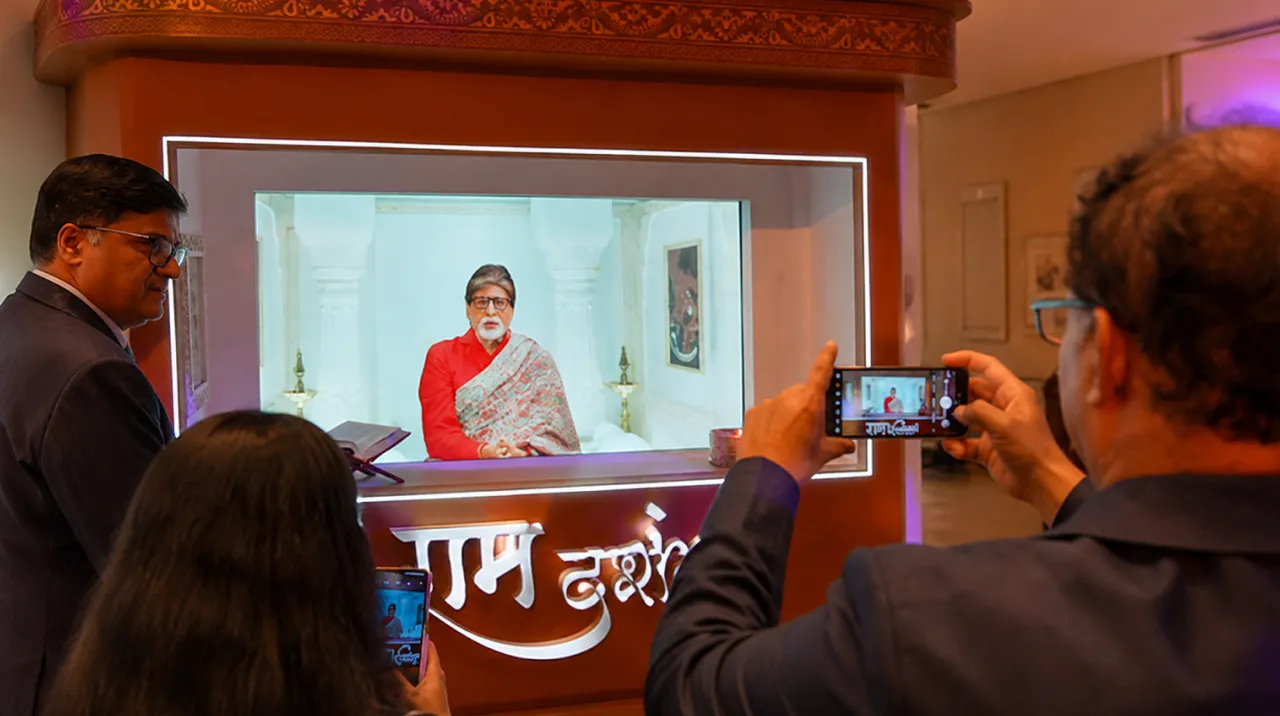
What experience centers have introduced is a new language for brand communication — one built on space, interactivity, and narrative rather than copy, images, and broadcast.
Learning this language takes intentionality. It requires brands to stop asking "What do we want people to know?" and start asking "What do we want people to do, feel, and decide?" Those are very different questions, and they produce very different designs.
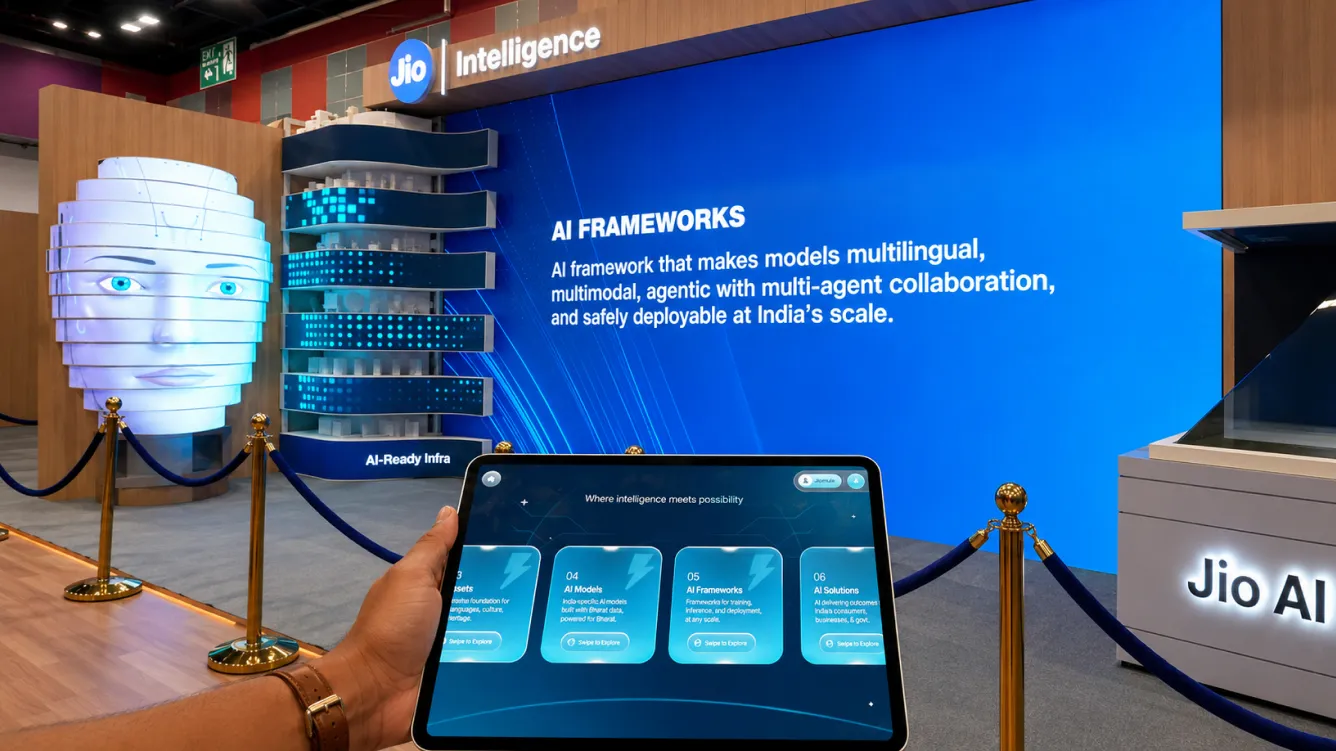
At Waves 2025, IIC Lab and Jio Star answered the question "What do we want a global audience to feel about India's media industry?" The answer — pride, scale, cultural depth, forward momentum — required spatial design, zone-by-zone storytelling, and immersive audiovisual environments. A slide deck would have answered a different question: "What facts do we want people to know?" But facts do not move a global audience. Feeling does.
The Role of Technology in This Evolution
Technology has not created the shift toward experiential communication — it has enabled it. The underlying human truth (that people trust and remember what they experience) has always been true. What has changed is that brands now have access to tools that make genuine experience scalable.
- AR brings invisible things into view — supply chains, internal structures, service networks
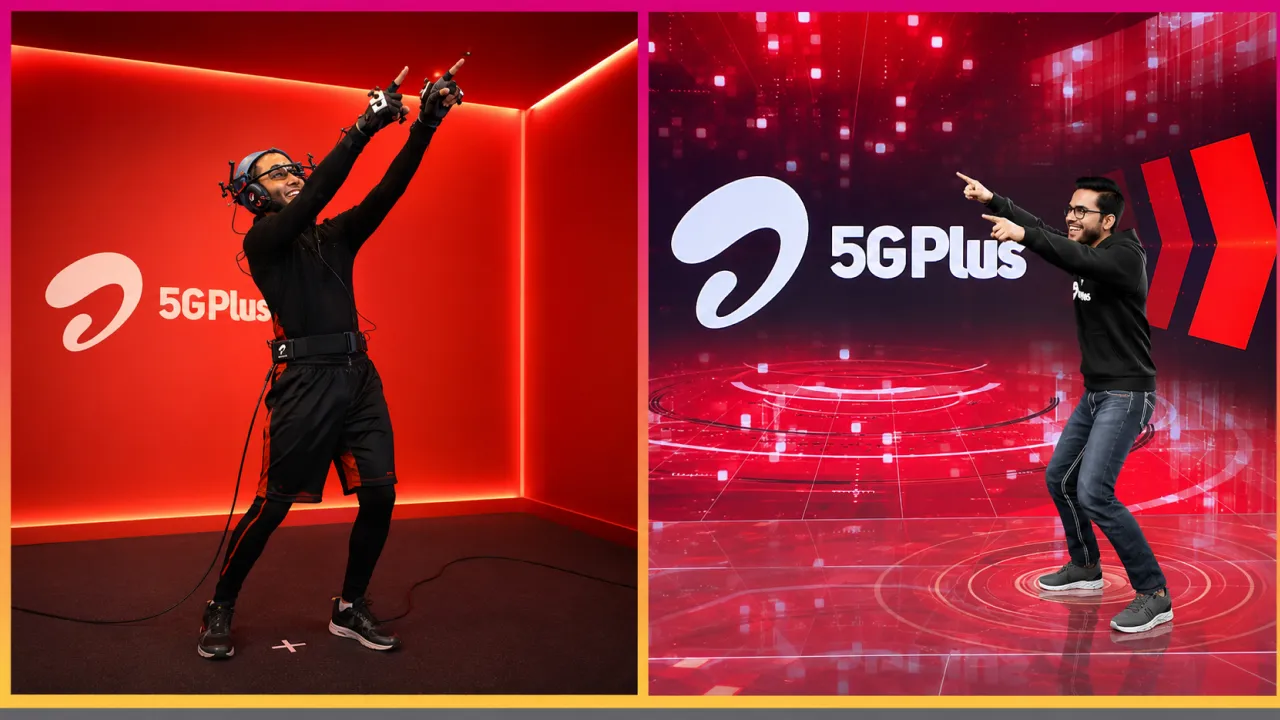
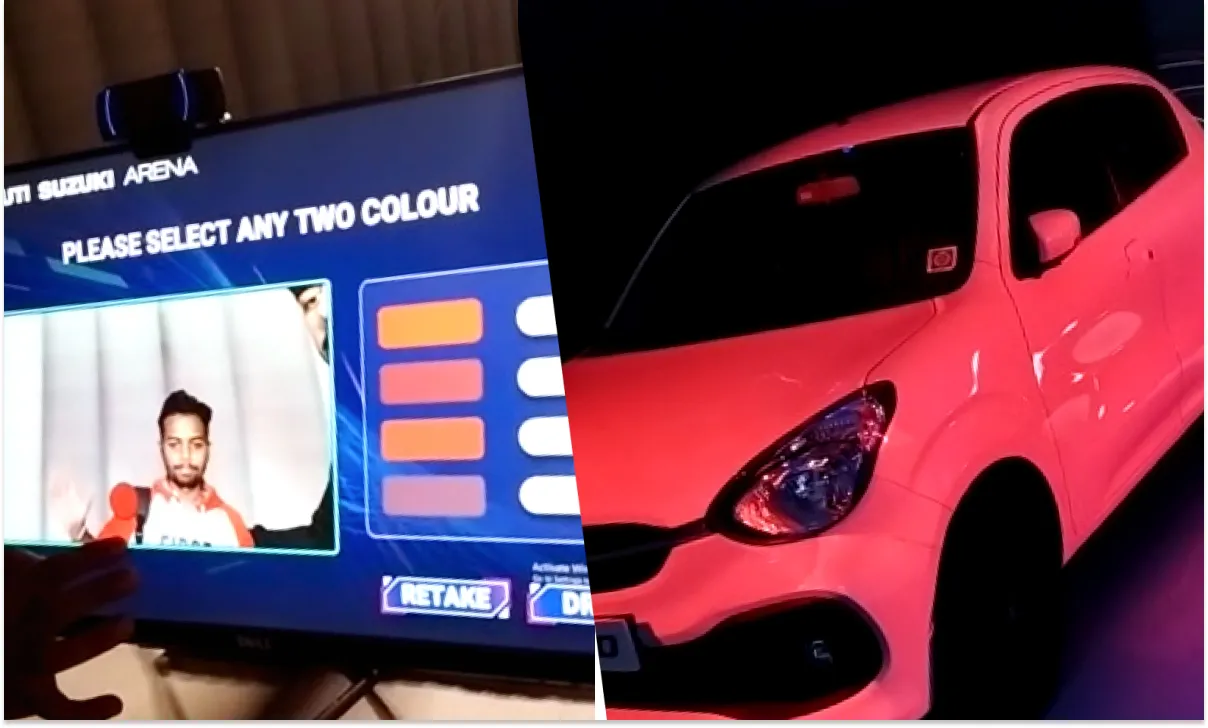
- Gamification turns passive audiences into active participants at scale
- Curved and anamorphic display creates spatial presence that engages embodied cognition
- Interactive surfaces make information navigable rather than delivered
None of these replace the human instinct to trust what you have experienced. They amplify it.
What This Means for Your Communication Strategy
If your brand is operating in a category where trust is the primary barrier to conversion — premium real estate, enterprise technology, complex financial products, high-consideration automotive — then the question of experience center design is not really a question about events and exhibits.
It is a question about what your communication strategy believes about buyers. Does it believe they are persuaded by messages, or by experiences?
























Sign in to leave a comment.