
The Bar Has Moved. Most Brand Activations Haven't Noticed Yet.
There's a version of this blog that would tell you creative technology is the future of experiential marketing.
That's not quite right. For the brands and agencies operating at the top of the market in India, it's already the present. The future belongs to those who are figuring out what comes next.
If you're still planning activations around static displays, looping videos, and product demonstrations that require a staff member to deliver — you're not competing with the market leader in your category. You're competing with that brand's activation from three years ago.
Creative technology in experiential marketing is no longer a differentiator. It's the baseline.
What Creative Technology Actually Changes
Let's be honest about what technology alone cannot do. A sophisticated AR wall built by people who didn't understand the brand's communication objective is just an expensive screen. Motion capture deployed without a story to tell is a technical demo, not a brand experience.
The magic isn't in the technology. It's in what happens when technology is placed in service of a deeply understood creative goal.
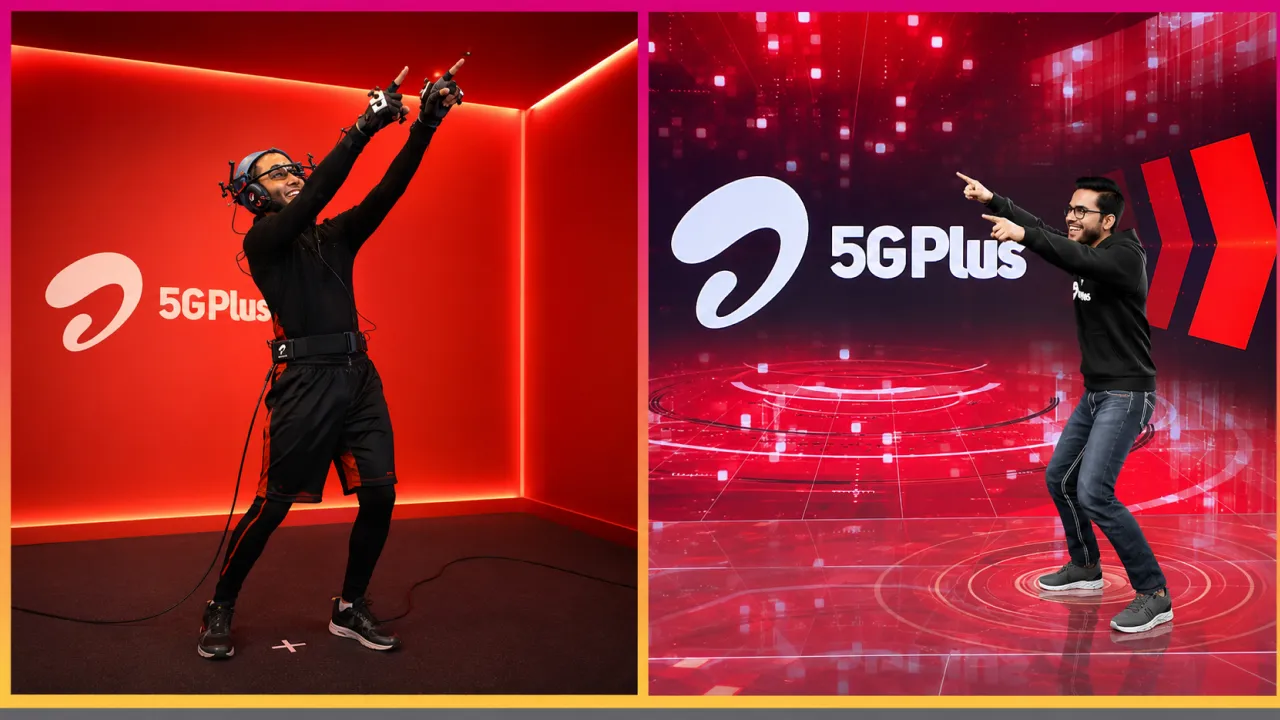
Consider what IIC Lab built for Airtel and Star Sports during IPL 2023. The brief was to create a fan experience for India's biggest cricket tournament. The easy answer was a photo opportunity with a jersey or a sweepstake entry.
IIC Lab built something that had never existed in Indian broadcast history: a real-time interaction between cricket stars and photorealistic digital avatars of fans, broadcast live from the studio. Fans from 10 cities across India — their faces scanned, their bodies motion-captured, their expressions tracked in real time — stood in the same virtual space as their favourite players.
It required months of R&D, a custom photogrammetry pipeline, Xsens mo-cap suits, Faceware tracking technology, Manus finger tracking, Unreal Engine rendering, and VPN-enabled Live Link synchronisation across 10 geographic locations.
But what the audience experienced was something far simpler: the feeling of being chosen. Of mattering. Of being part of something they'll talk about for years.
That's ai experiential marketing innovation deployed in service of human emotion.
The New Standard: What It Looks Like Across Different Contexts
For live events and summits:
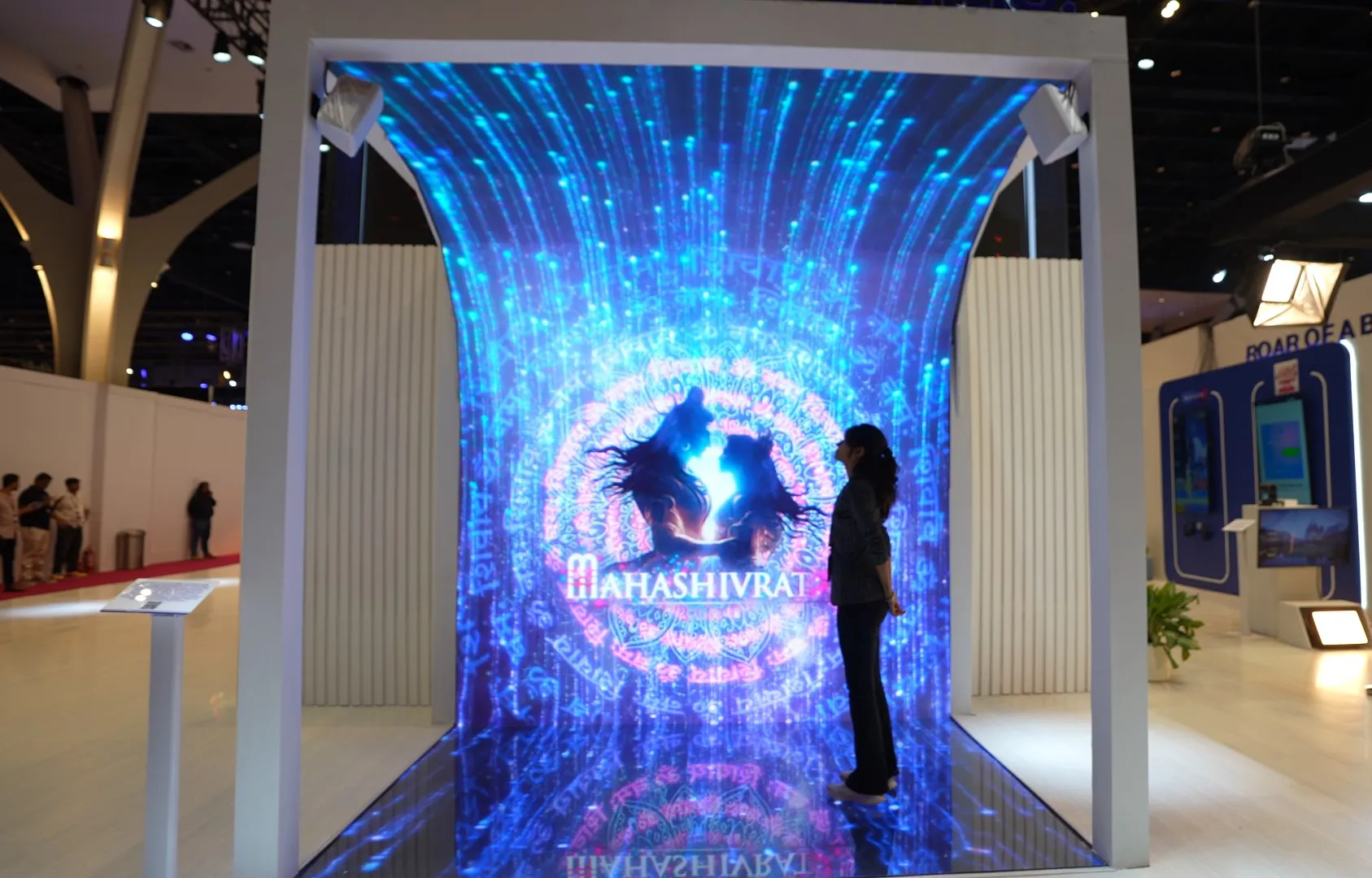
- AR experiences that turn passive exhibits into multi-touchpoint journeys
- VR zones that provide impossible perspectives — inside facilities, future product states, backstage environments
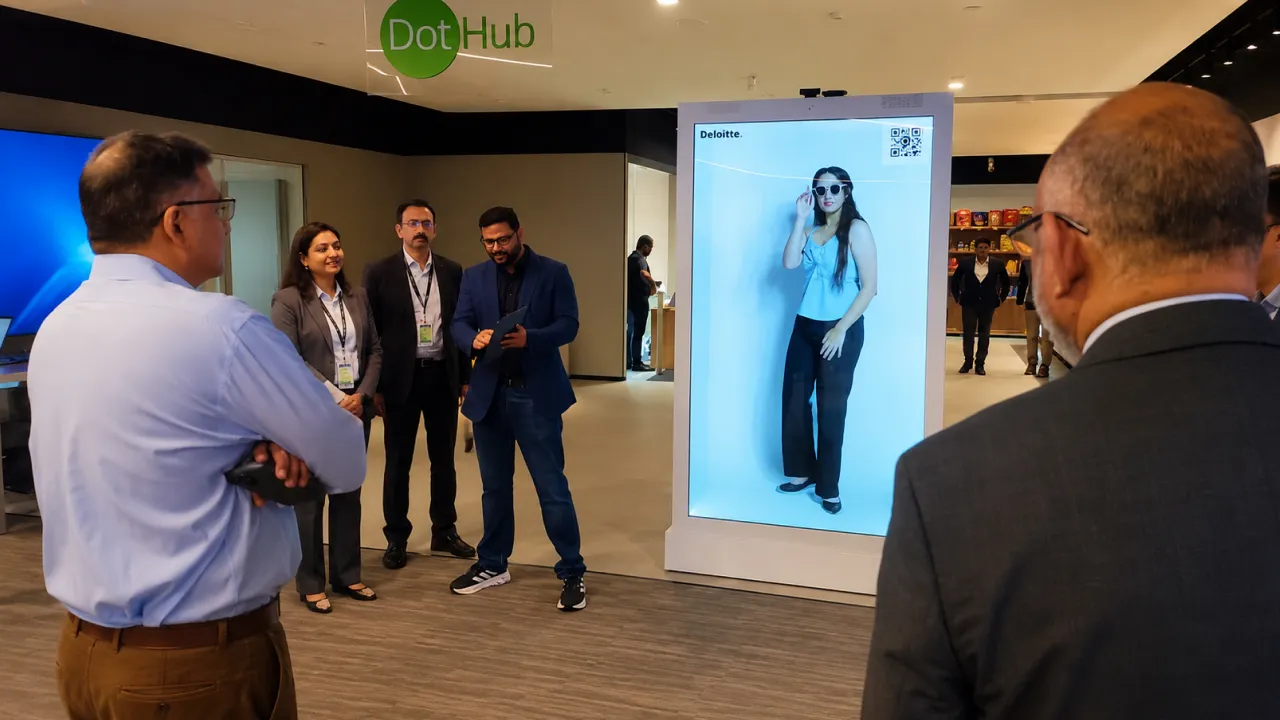
- AI-powered interactive tools that personalise the experience in real time
For digital experiential marketing campaigns:
- 3D CGI that places brand characters or product in real-world environments at cinematic quality
- Multilingual content built on a single 3D pipeline, reaching diverse audiences without cultural compromise
- Virtual experiences that extend the life of a campaign beyond the event window
For retail experiential marketing:
- Spatial storytelling that turns a physical store into a brand narrative environment
- AR configurators that eliminate purchase hesitation by making products tangible before they're purchased
- Virtual store extensions that maintain brand presence between physical visits
For permanent experience centres:
- AI-adaptive journeys that serve different content to different visitor profiles
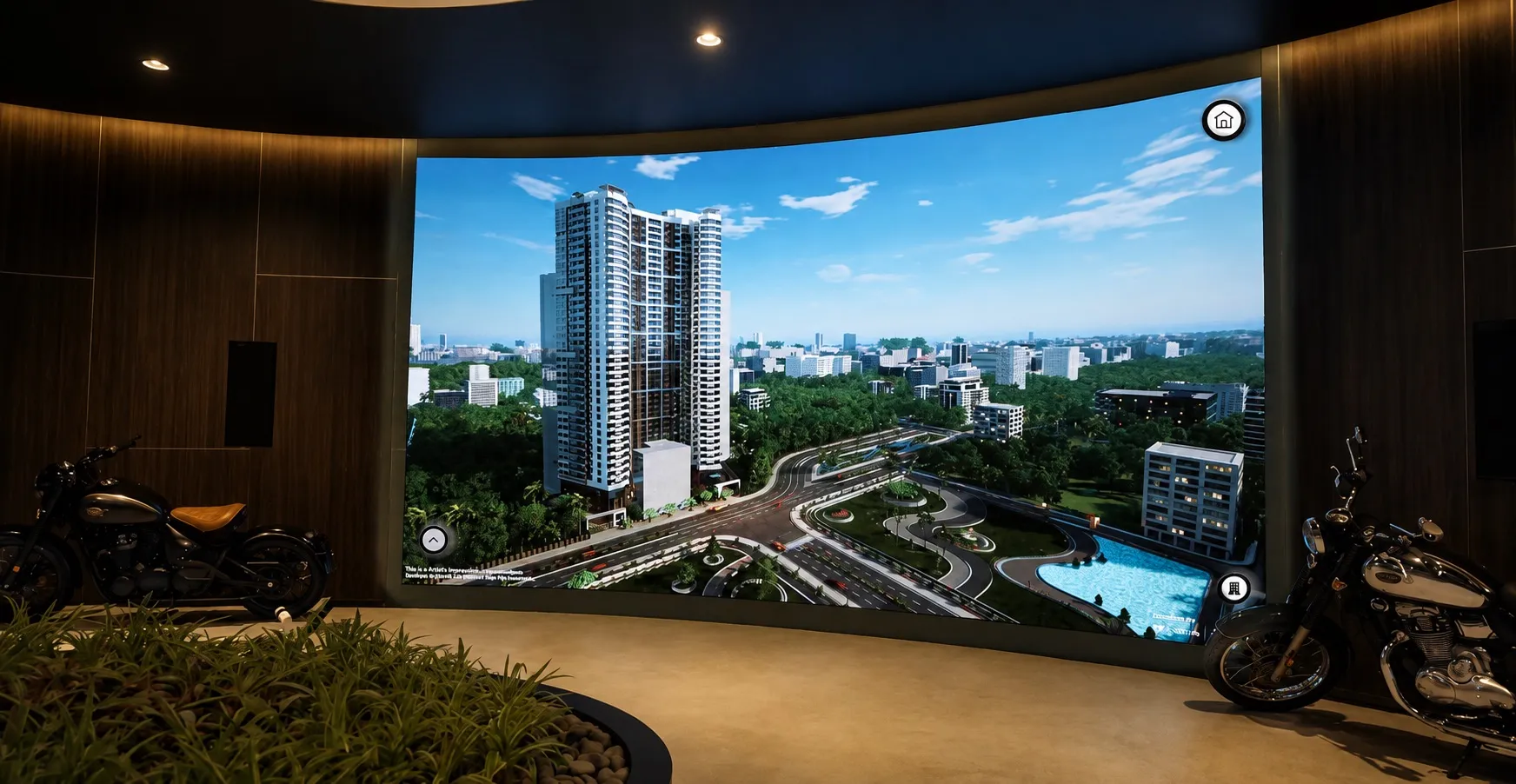
- Phygital environments where digital and physical layers work as one continuous surface
- Data collection infrastructure that makes every subsequent experience smarter
Why India's Most Ambitious Brands Are Choosing This Path
The brands partnering with IIC Lab — Star Sports, Amazon, Airtel, BMW, Maruti Suzuki, P&G, Dr. Reddy's, Jio — aren't doing so because creative technology is fashionable. They're doing so because it works.
Star Sports won six national awards in a single year — including Best Use of MarTech, Best Use of AR/VR, and Best Use of AI — for the work IIC Lab built with them.
Amazon engaged 3,500+ visitors with a 15-minute AR experience at Smbhav and created a VR activation that educated 400+ attendees on the operational scale of their fulfilment network.
Airtel created India's first-ever real-time avatar interaction between fans and cricket stars — live on national television, from 10 cities simultaneously.
These weren't experiments. They were strategic bets that paid off — in engagement metrics, in brand recall, in award recognition, and in genuine audience relationships built for the long term.
What the Next Wave Looks Like
Virtual experiential marketing is heading toward genuine spatial computing — where the boundary between digital and physical experience dissolves entirely. Wearable AR devices will make the kind of experiences that currently require a dedicated installation available anywhere, to anyone, at any time.
The brands building the capability and the institutional knowledge to work at this frontier now will be the ones leading when that shift arrives.
IIC Lab is a full-service MarTech and immersive technology agency based in Mumbai. They help brands design scalable, technology-driven campaigns that create genuine audience connection — from live event activations to permanent experience centres, CGI campaigns to AI-powered interactive environments.
The work speaks for itself. The opportunity is in what you build next.

























Sign in to leave a comment.