
Here's a question worth sitting with: when a visitor walks into your experience center or booth, do they know where to go first, or are they just wandering until a staff member intercepts them? Most brands never ask this question, and it shows. A confused visitor doesn't convert — they just leave with a vague, forgettable impression. Immersive event technology, used well, replaces that wandering with a journey that has a beginning, a middle, and a moment of genuine clarity at the end.
Why Most Visitor Journeys Are Actually Just Layouts
There's a difference between a well-designed floor plan and a genuine visitor journey. A layout tells people where they can walk. A journey tells them why they should. Most brands only design the former.
Signs the visitor journey needs rethinking rather than the décor:
- Visitors ask staff "so what am I supposed to do here?" within the first minute
- There's no clear sequence — visitors could enter from any point and miss the story entirely
- Complex information is presented all at once instead of being built up in stages
- The experience ends without a clear next step or takeaway
Journeys Built Around Understanding, Not Just Movement
This is where an immersive experience center earns its purpose. It isn't a showroom with extra screens — it's a sequence engineered so that each step builds context for the next, until the visitor arrives at genuine conviction rather than mild curiosity.
Designing Immersive Brand Experience Creation Around a Real Buyer's Doubts
Real estate is one of the toughest categories for this, because buyers are often being asked to commit to something that doesn't physically exist yet. For a large-scale real estate client, we designed a hyper-real, amphitheater-style experience center built around a three-minute guided journey — because the fundamental problem wasn't a lack of information, it was a lack of conviction. Buyers had brochures. What they didn't have was a way to feel scale, proximity, and lifestyle before construction was complete.
The journey was structured across deliberate layers rather than a single big-screen moment:
- Layouts planned to guide exploration without forcing a rigid, uncomfortable path
- Zones defined by purpose — immersion, comparison, storytelling, and discussion each got dedicated space
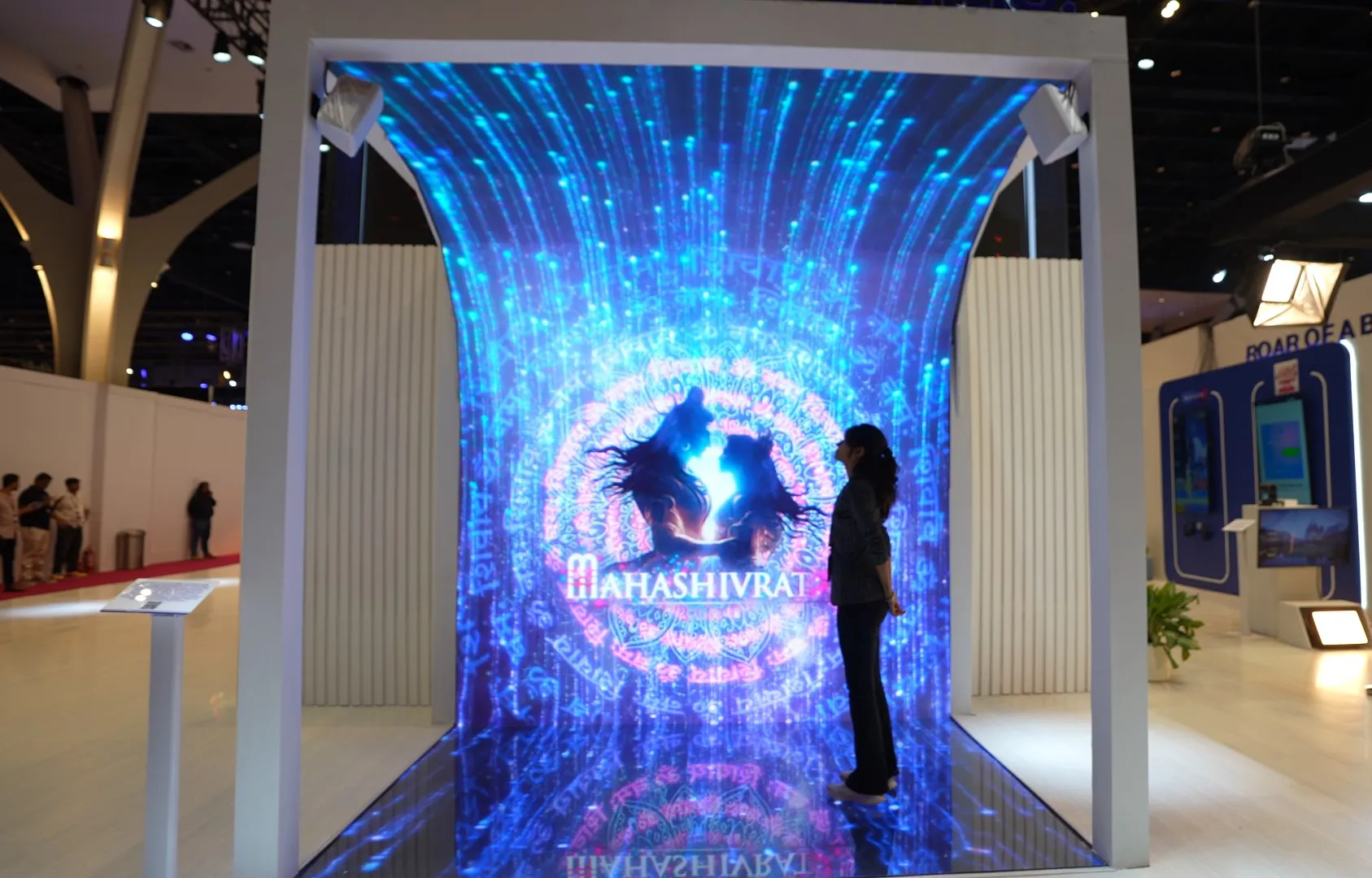
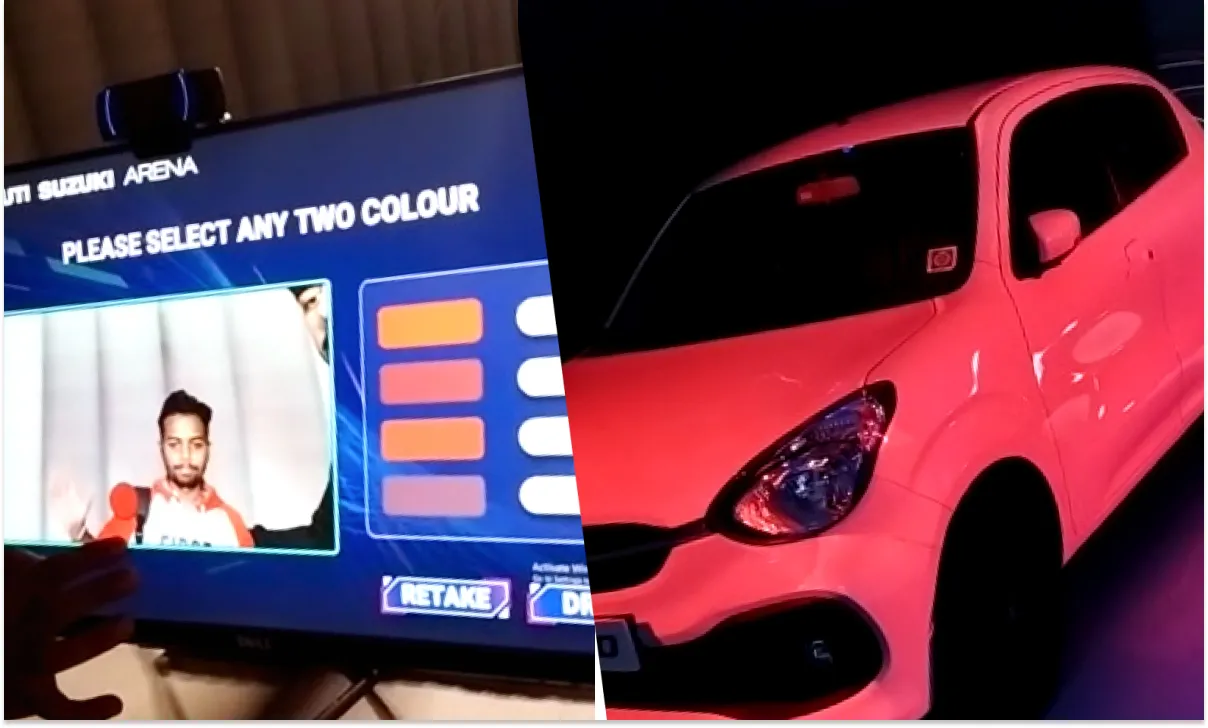
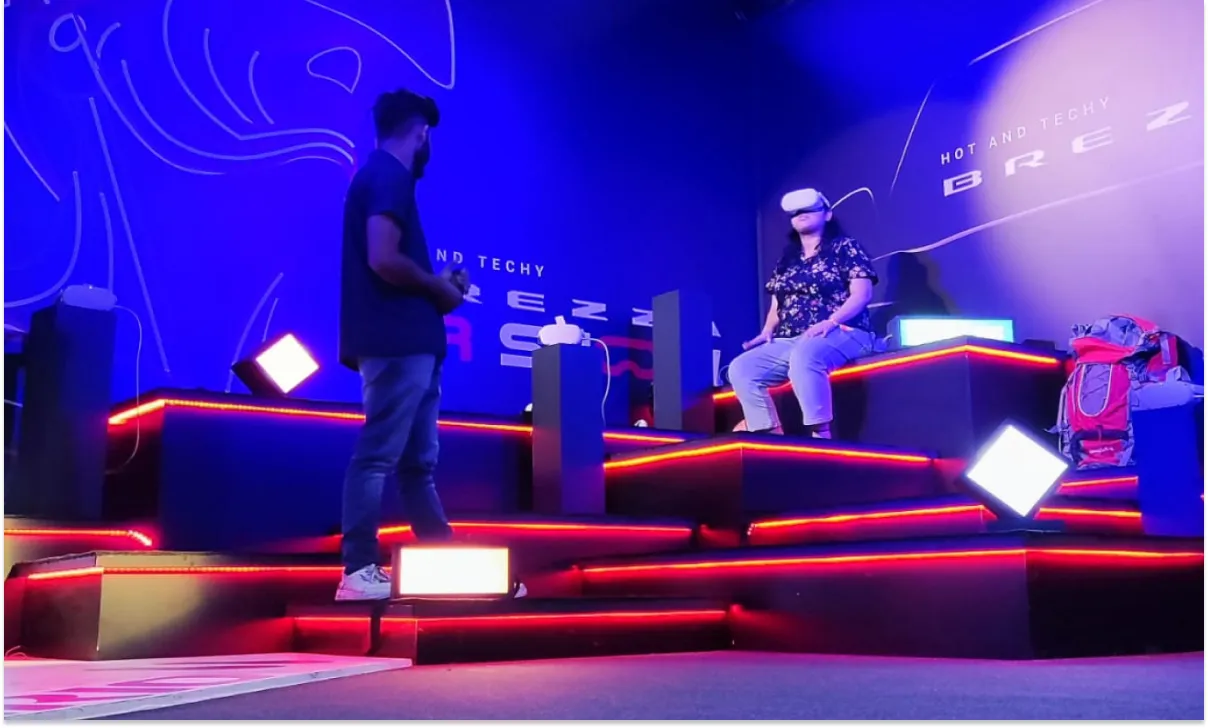
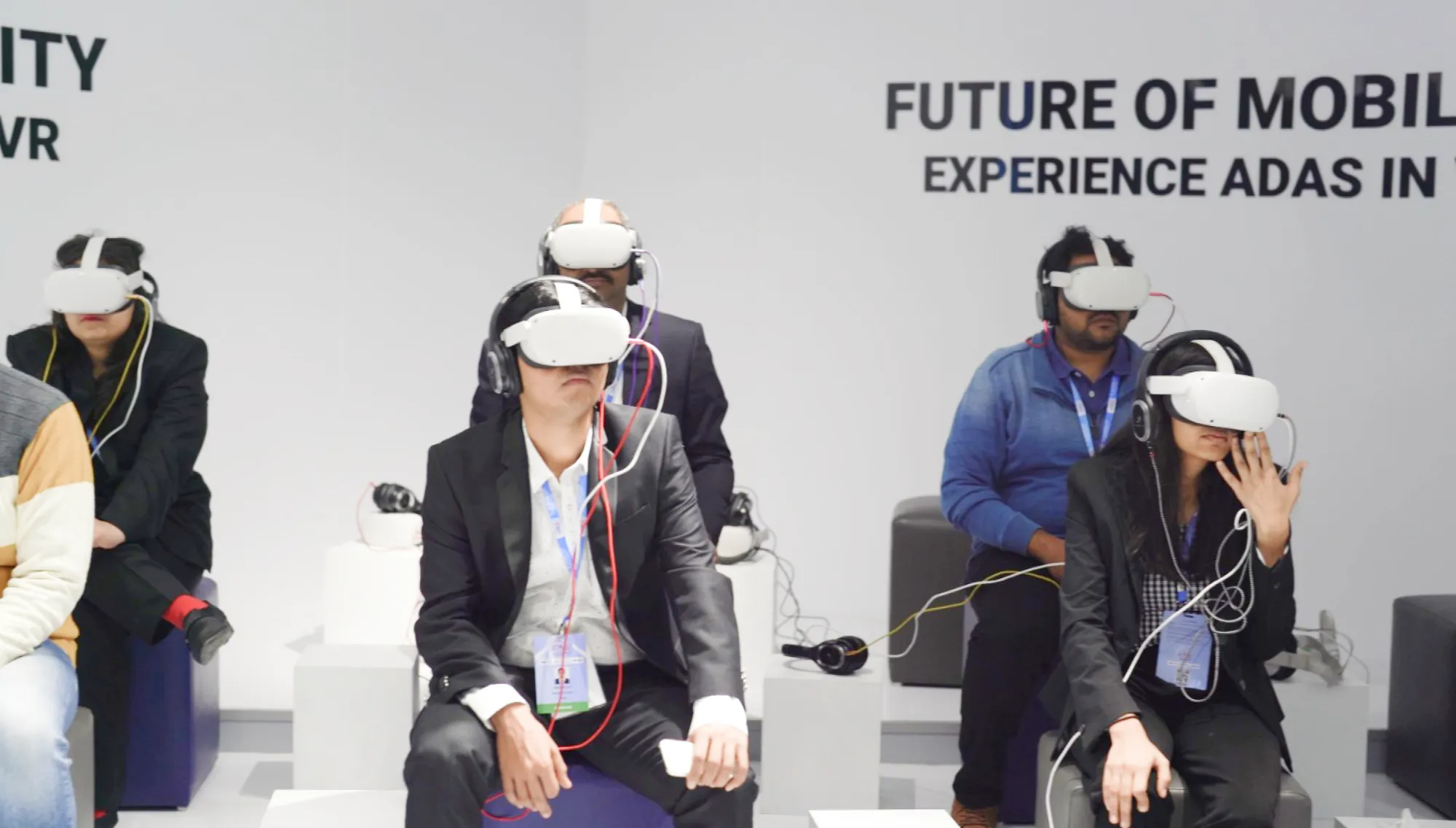
- Technology chosen for what needed to be understood, not for what looked most impressive — VR, AR, holograms, anamorphic content, object recognition tables, and interactive touchscreens were each deployed only where they solved a specific comprehension problem
- A narrative arc across past, present, and future, so visitors moved from context to possibility to decision in a deliberate sequence
The result wasn't a flashier showroom — it was a shift in the sales conversation itself. Buyers stopped asking "can you explain this again?" and started asking "when can we move forward?" That's the actual measure of a smart visitor journey: not how impressive it looks in photos, but how much friction it removes from a decision. You can explore the broader thinking behind our immersive technology approach to sequencing complex information for buyers.
Examples of Experiential Marketing That Helped B2B Brands
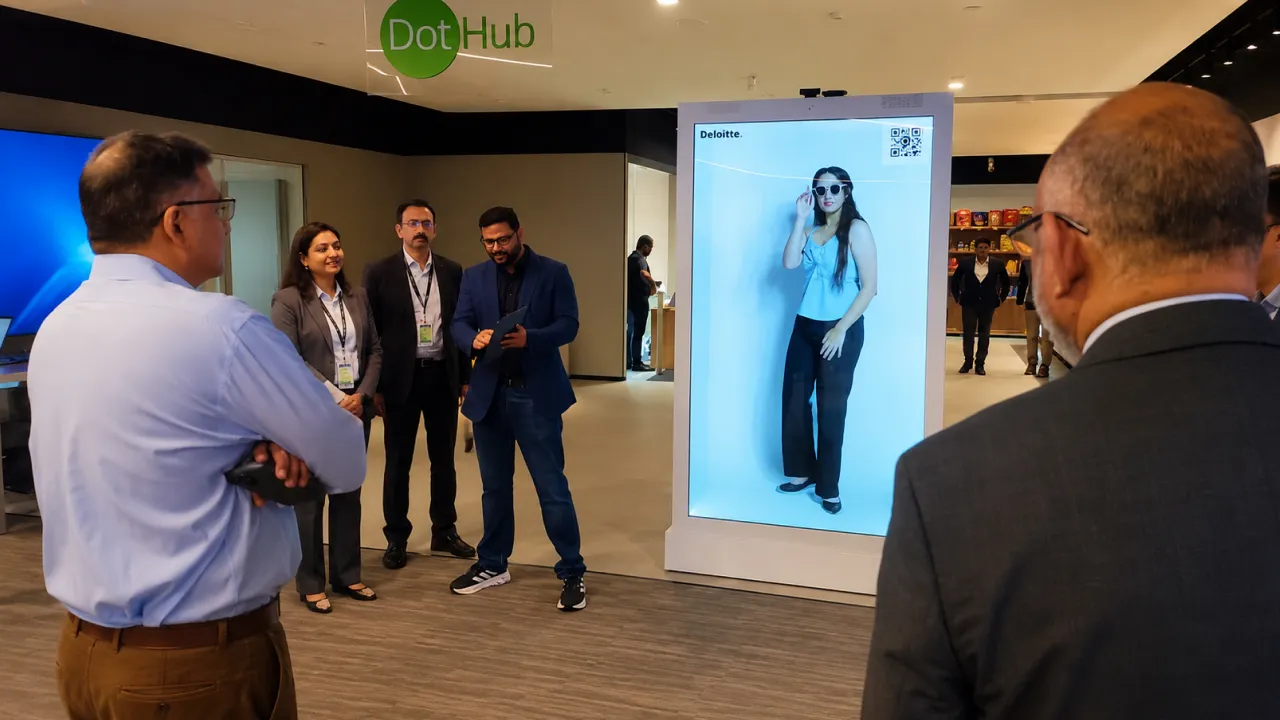
Deloitte took a comparable approach with its Dot Hub AI Experience Centre, structuring a journey around a Holobox for multi-perspective product exploration, an object recognition table for guided discovery, and an AI-powered assistant named Nova offering real-time, personalized insight. Visitors engaged through conversation and simulation rather than a static pitch — a journey built for clarity, not spectacle, which is exactly what a B2B audience evaluating a serious purchase actually needs.
Tips for Brands to Create Memorable Interactive Installations
If you're mapping a visitor journey for your next space:
- Start with the visitor's biggest doubt, and design the sequence to resolve it, not just to impress
- Sequence complexity deliberately — context first, detail second, decision-support last
- Give every zone a single job rather than trying to communicate everything everywhere
- End with a clear next step, whether that's a conversation, a booking, or a takeaway
What Retail Brands Gain From Immersive Marketing Activation
For retail and real estate alike, a well-sequenced journey shortens the distance between curiosity and commitment — measurable in shorter sales cycles and fewer repeat visits needed before a decision is made. That's the same logic behind the immersive experience center frameworks we build across categories where buyers need to feel something before they'll believe it.
The Journey Is the Pitch
A visitor journey isn't decoration around your product — whent it's built right, it is the pitch. It carries the weight that a brochure or a slide deck simply can't. At IIC Lab, every experience center we design starts from the buyer's doubt, not the brand's wish list, because that's the only starting point that reliably ends in conviction.
If your space is full of technology but light on clarity, talk to IIC Lab about redesigning the journey your visitors actually need.























Sign in to leave a comment.