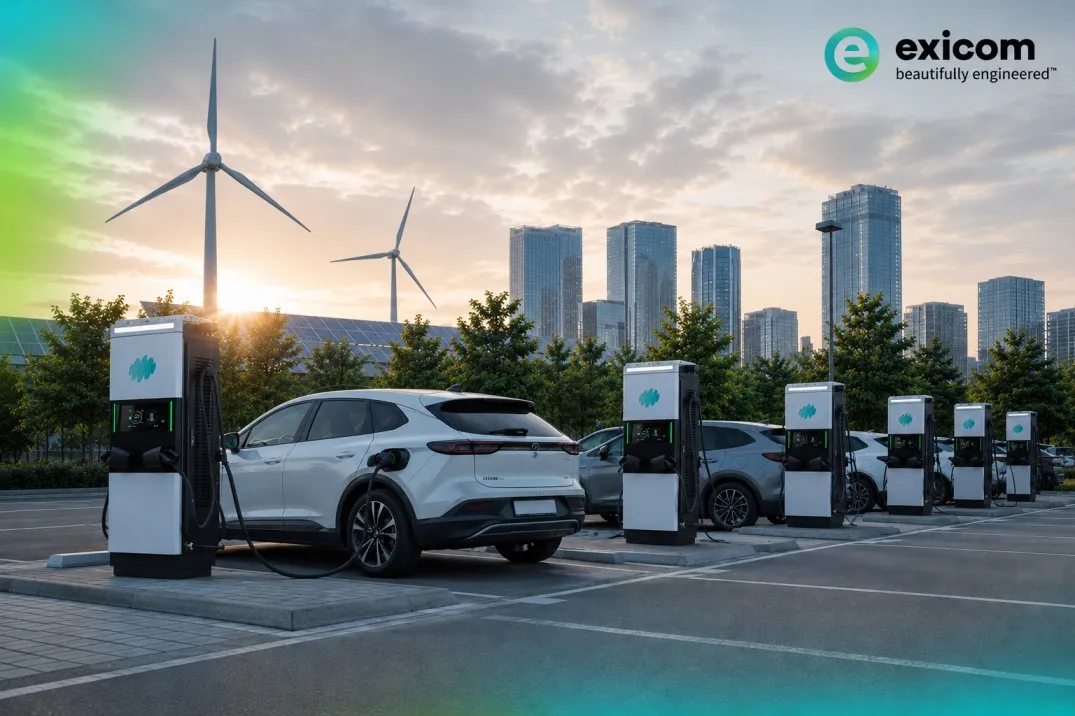

Electric vehicles keep us moving, but they rely entirely on dependable charging infrastructure. When a driver pulls up to a charging station, they expect a seamless experience. A broken charger causes frustration and damages trust. For businesses, high EV charger uptime means steady revenue and happy customers. Uninterrupted connectivity to a power source is essential to keep drivers on the road effortlessly.
Rather than waiting for a charger to break down, smart operators use predictive maintenance. This approach monitors equipment health in real-time to catch potential issues before they cause a complete failure. Think of it like monitoring the battery life and performance of a reliable device—you take action before the power drops to zero.
Understanding Predictive Maintenance
Predictive maintenance relies on continuous data collection. Sensors inside the EV charger monitor vital signs like temperature, voltage drops, and usage patterns. Software then analyzes this information around the clock.
If a specific component starts to show unusual wear or operate outside normal parameters, the system triggers a warning. Technicians can then identify and fix the exact problem during a scheduled maintenance window, rather than scrambling to handle an unexpected emergency repair. This straightforward process removes the guesswork from equipment management.
Predictive Maintenance in Action
Imagine a fast-charging station handling high traffic during a busy travel season. The internal cooling fan inside one of the units begins to slow down slightly due to wear.
A traditional, reactive setup would run until the fan dies completely, causing the charger to overheat and shut down without warning. With predictive maintenance, the system spots the dropping fan speed immediately. It alerts the maintenance team, who replace the affordable part before the charger ever goes offline. Drivers stay connected effortlessly, and the business avoids a sudden disruption in service.
The Core Benefits
Implementing smart maintenance strategies delivers immediate advantages for both the operator and the end user:
- Enhanced Reliability: Chargers stay online and functional when drivers need them most, building strong customer trust.
- Significant Cost Savings: Fixing a small issue early is far more affordable than replacing severely damaged internal components later. It also prevents the lost revenue associated with out-of-order machines.
- Streamlined Operations: Maintenance teams work more efficiently. They know exactly what needs fixing before they arrive on site.
- Customer Loyalty: Drivers actively seek out and return to stations they know will work. Providing a dependable experience ensures users engage with your network over the long term.
Managing a charging network does not have to involve constant emergency fixes and unpredictable downtime. By adopting predictive maintenance, businesses can offer exceptional service, reduce operational headaches, and protect their bottom line. Start integrating smart monitoring tools into your EV infrastructure today to keep your chargers running and your customers moving forward.
FAQs
What types of charger data are used in predictive maintenance?
Predictive maintenance uses data such as temperature, voltage, current flow, charging session duration, error codes, connector status, cooling system performance, and usage patterns. By tracking these signals in real time, operators can spot abnormal behaviour early, plan maintenance more accurately, and keep chargers available more consistently.
How does predictive maintenance reduce EV charger downtime?
Predictive maintenance reduces downtime by using real-time data to spot early signs of wear, overheating, voltage issues, or component stress before a charger fails. This allows operators to schedule repairs at the right time, avoid sudden breakdowns, keep more chargers available for drivers, and reduce revenue loss from out-of-service stations.
What are the first signs that an EV charger may need predictive maintenance?
Common early signs include unusual temperature changes, slower charging performance, repeated error alerts, irregular power output, and parts that show faster wear than expected. By tracking these signals in real time, operators can fix small issues before they turn into charger downtime or costly repairs.
Conclusion
Predictive maintenance gives EV charging businesses a smarter way to reduce downtime, catch issues early, and keep stations running reliably when drivers need them most. By using real-time data, spotting wear before failures happen, and planning service more efficiently, operators can lower repair costs, protect revenue, and deliver a better charging experience. In a market where trust and reliability directly affect customer loyalty, investing in predictive maintenance is not just a technical upgrade ,it is a practical business strategy for stronger performance and long-term growth.
























Sign in to leave a comment.