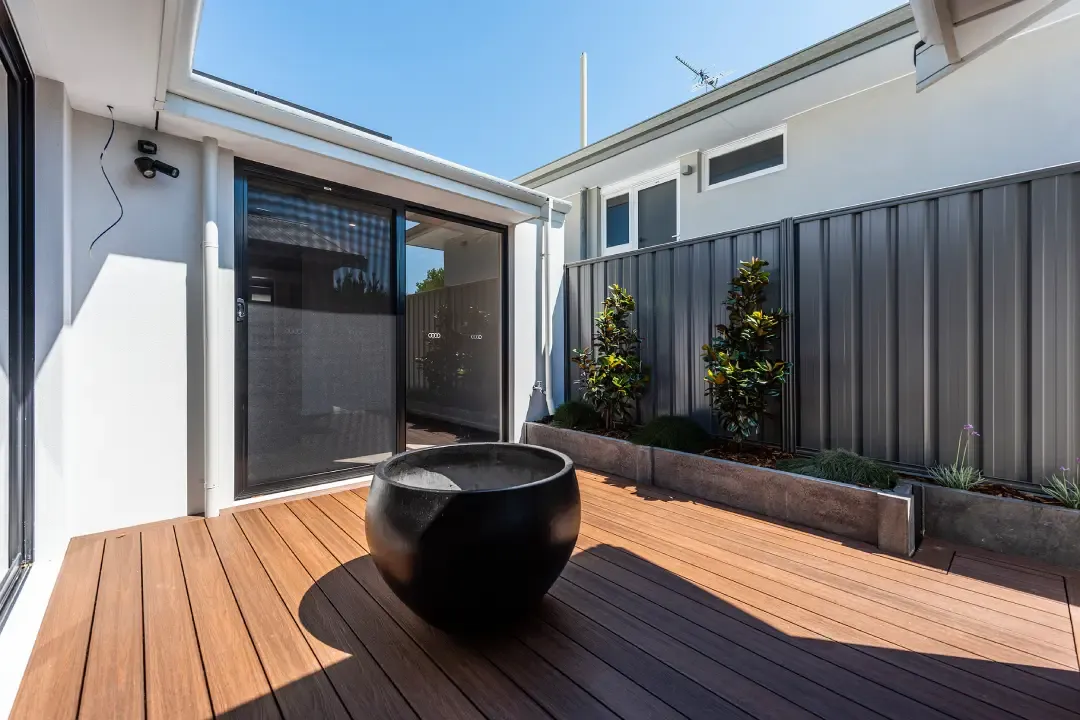

Construction projects today are far more complex than simply laying bricks and pouring concrete. They involve careful coordination between planning, design, engineering, budgeting, compliance, and execution. Whether it is a residential home, a commercial building, or a large-scale development, every successful project follows a structured process that ensures quality, safety, and timely delivery.
Professional construction services play a crucial role in turning architectural ideas into real, functional spaces. Companies like Activa Homes Group have contributed to raising industry standards by focusing on transparency, craftsmanship, and customer satisfaction. Understanding how the construction journey works can help property owners make better decisions and avoid costly mistakes.
This guide walks you through each phase of professional construction services—from the initial planning stage to final handover—so you can understand what truly goes into building a durable and well-designed structure.
Understanding Professional Construction Services
Professional construction services cover a wide range of activities that go far beyond basic building work. They include project consultation, site evaluation, architectural design, structural engineering, procurement of materials, labor management, safety supervision, and final finishing.
At its core, construction service is about transforming a vision into reality while ensuring structural integrity and compliance with building codes. A reliable construction company not only builds structures but also manages risks, coordinates teams, and ensures that every stage aligns with the client’s expectations.
Modern construction firms are also integrating advanced technologies such as Building Information Modeling (BIM), sustainable materials, and energy-efficient designs. These innovations improve accuracy, reduce waste, and enhance long-term building performance.
Planning Phase: The Foundation of Every Successful Project
The planning stage is the backbone of any construction project. Without proper planning, even the most well-funded projects can face delays, budget overruns, and design flaws.
This phase typically begins with understanding the client’s requirements, budget, and timeline. Professionals conduct feasibility studies to determine whether the project is viable based on land conditions, zoning regulations, and environmental factors.
Site analysis is another critical part of planning. Engineers evaluate soil strength, drainage systems, accessibility, and environmental impact. These details help in selecting the right construction methods and materials.
Budget planning is also finalized during this stage. A detailed cost estimate is prepared, covering materials, labor, permits, equipment, and contingencies. This ensures transparency and helps clients avoid unexpected expenses later in the project.
Clear communication between the client and construction team is essential at this stage. Many reputable firms, including Activa Homes Group, emphasize collaborative planning sessions to ensure every detail is aligned before construction begins.
Design and Architecture: Turning Ideas into Blueprints
Once planning is complete, the project moves into the design phase. This is where creative ideas are transformed into technical drawings and architectural blueprints.
Architects work closely with engineers and designers to create layouts that balance aesthetics, functionality, and structural safety. Floor plans, elevation drawings, and 3D models are developed to give clients a clear visual representation of the final structure.
Modern design processes often include digital visualization tools that allow clients to experience virtual walkthroughs before construction begins. This helps in making design adjustments early, reducing costly changes during execution.
Sustainability is also a major focus in today’s architectural designs. Energy-efficient lighting, ventilation systems, and eco-friendly materials are increasingly being incorporated into residential and commercial projects.
Good design is not just about appearance—it ensures efficient space utilization, natural lighting, ventilation, and long-term durability. A well-designed structure enhances both comfort and property value.
Construction Execution: Bringing the Vision to Life
After designs are approved, the construction phase begins. This is where planning and design are translated into physical structures.
The process starts with site preparation, which includes clearing, leveling, and marking boundaries. Foundation work is then carried out, forming the structural base of the building. This is one of the most critical stages, as it determines the strength and stability of the entire structure.
Once the foundation is complete, structural frameworks such as beams, columns, and slabs are constructed. Skilled labor and engineers work together to ensure precision and adherence to design specifications.
Material procurement and management also play a key role during this phase. Timely availability of quality materials ensures smooth progress without unnecessary delays.
Construction managers oversee daily operations, coordinate teams, and monitor progress to ensure deadlines are met. Regular site inspections help identify and resolve issues early.
At this stage, attention to detail is crucial. Even minor errors can impact long-term durability, which is why experienced professionals are essential for maintaining quality standards.
Quality Control & Safety Standards in Construction
Quality control is a continuous process throughout construction. It ensures that every element of the building meets required standards and specifications.
Regular inspections are conducted to verify material quality, structural alignment, and workmanship. Testing of concrete strength, steel reinforcement, and electrical systems is performed at different stages.
Safety is equally important on construction sites. Workers are required to follow strict safety protocols, including wearing protective gear, following equipment guidelines, and maintaining hazard-free environments.
Construction companies also comply with local building codes and regulations to ensure legal and structural safety. Failure to meet these standards can lead to delays, penalties, or structural risks in the future.
A well-managed project maintains a balance between speed, quality, and safety, ensuring long-term durability and client satisfaction.
Final Handover & Post-Construction Support
The final stage of construction is handover, where the completed project is delivered to the client. However, this process involves more than just handing over keys.
Before handover, a thorough inspection is conducted to ensure all work meets the agreed specifications. Any minor issues or finishing touches are addressed during this stage.
Documentation is also provided, including warranties, compliance certificates, and maintenance guidelines. This ensures the client has all necessary information for future upkeep.
Many professional construction firms also offer post-construction support, which includes maintenance services and assistance with repairs if needed. This helps ensure the building remains in excellent condition over time.
A smooth handover process reflects the professionalism and reliability of the construction company.
Conclusion
Professional construction services are a combination of careful planning, innovative design, skilled execution, and strict quality control. Each stage plays a vital role in ensuring that the final structure is safe, durable, and visually appealing. From the initial concept to the final handover, every detail matters in achieving a successful outcome.
In today’s competitive construction industry, choosing the right partner can make a significant difference in project quality and long-term value. Companies like Activa Homes Group continue to demonstrate how structured processes and client-focused approaches lead to better results and stronger client trust. When working with experienced professionals such as Oakford Builders, clients can expect not just a building, but a well-executed vision brought to life with precision and care.
























Sign in to leave a comment.