
In today's data-driven world, information is power. Whether you're a business looking for market insights, a researcher collecting data for a study, or simply curious about a particular topic, data scraping can be an invaluable skill. This comprehensive beginner's guide will introduce you to the world of data scraping, providing a step-by-step overview of the process and some essential tips to get you started.
### What is Data Scraping?
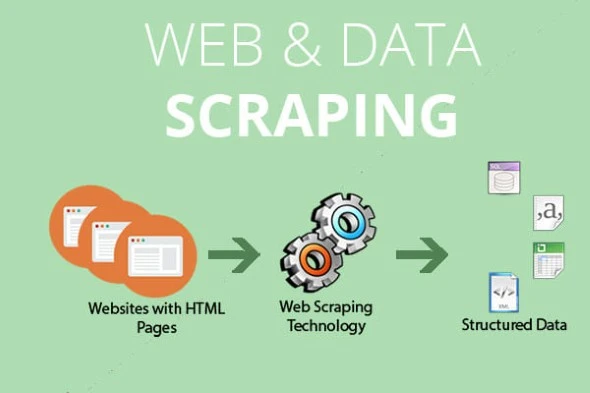
Data scraping, also known as web scraping, is the process of extracting data from websites and saving it in a structured format, such as a spreadsheet or database. This technique allows you to automate the collection of information from the web, making it a powerful tool for a wide range of applications.
### Getting Started with Data Scraping
#### 1. Choose Your Tool
To begin your data scraping journey, you'll need a scraping tool or library. Some popular options include:
- **Python Libraries:** Python is the most widely used language for web scraping. Libraries like BeautifulSoup and Scrapy provide robust tools for extracting data from websites.
- **Web Scraping Software:** Tools like Octoparse, ParseHub, and Import.io offer user-friendly interfaces for scraping without extensive coding knowledge.
#### 2. Select Your Target
Once you have your tool in place, decide on the website or web page from which you want to scrape data. Ensure that you have permission to access and scrape the data, as scraping can raise legal and ethical concerns.
#### 3. Understand the Website Structure
Before diving into scraping, it's crucial to understand the structure of the website you're targeting. Study the HTML structure, identifying the elements that contain the data you need. You can use browser developer tools (F12 in most browsers) to inspect the HTML code.
#### 4. Write Your Code
If you're using Python libraries like BeautifulSoup, write a script that instructs your scraper on how to navigate the website, locate the data, and extract it. Here's a simple example in Python:
```python
import requests
from bs4 import BeautifulSoup
url = 'https://example.com'
response = requests.get(url)
soup = BeautifulSoup(response.text, 'html.parser')
# Find and print a specific element
element = soup.find('div', {'class': 'example-class'})
print(element.text)
```
#### 5. Handle Data Extraction Challenges
Web scraping can sometimes be challenging due to factors like dynamic websites, anti-scraping measures, or CAPTCHA. You may need to use techniques like handling cookies, using user-agents, or employing proxies to overcome these obstacles.
#### 6. Data Storage
After extracting the data, you'll want to store it in a structured format. Common options include CSV, Excel, JSON, or a database like SQLite or MySQL, depending on your project's requirements.
#### 7. Automate the Process
If you plan to scrape data regularly, consider setting up automation using scheduling tools or integrating your scraper with other applications using APIs.
### Best Practices and Ethical Considerations
As a beginner in data scraping, it's essential to follow best practices and ethical guidelines:
1. **Respect Robots.txt:** Check a website's `robots.txt` file to see if scraping is allowed or restricted. Always abide by these guidelines.
2. **Rate Limiting:** Avoid overwhelming a website's server by adding delays between requests. Be a responsible scraper to maintain the site's performance.
3. **User Agents:** Use user-agent headers to mimic the behavior of a real browser, making your requests look less like automated scraping.
4. **Legal and Ethical Considerations:** Ensure you have the right to scrape the data, respect copyrights, and avoid scraping sensitive or private information.
5. **Data Privacy:** Be mindful of data privacy laws like GDPR. Scrub any personal information from your scraped data.
### Conclusion
Data scraping is a valuable skill for anyone looking to gather information from the web efficiently. By choosing the right tools, understanding website structures, writing code, and adhering to best practices, beginners can become proficient data scrapers. Remember to use your scraping abilities responsibly and ethically, respecting the websites you interact with and the privacy of the data you collect. Happy scraping!






Sign in to leave a comment.