
In today's automotive landscape, car key programming has become a crucial aspect of vehicle ownership and security. Gone are the days of simple metal keys; instead, modern vehicles are equipped with sophisticated electronic key systems that require programming for functionality. In this comprehensive guide, we will delve into the intricacies of car key programming techniques, exploring everything from traditional methods to the latest advancements in automotive technology.
Understanding Car Key Programming
Auto key programming is the process of synchronizing a new key or remote to a vehicle's immobilizer system. This system is designed to prevent unauthorized access and theft by requiring a unique code to start the engine. When a new key is added to the vehicle, it must be programmed to communicate with the immobilizer, ensuring that only authorized keys can start the engine.
Traditional Key Programming Techniques
In the past, Auto key programming primarily involved manually cutting keys to fit the vehicle's ignition and door locks. This process was relatively straightforward but required precision to ensure compatibility and functionality. However, as vehicle technology advanced, traditional key programming techniques became obsolete, giving way to more sophisticated electronic systems.
Transponder Key Programming
Transponder keys, also known as chip keys, are equipped with a small microchip that communicates with the vehicle's immobilizer system. Programming a transponder key involves syncing the chip's unique code with the vehicle's immobilizer, allowing the key to start the engine. This process typically requires specialized equipment and knowledge to ensure successful programming.
Remote Key Programming
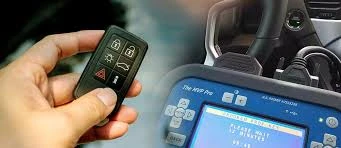
Many modern vehicles come equipped with remote keyless entry systems, allowing drivers to lock, unlock, and even start their vehicles remotely. Programming a remote key involves syncing the remote's signal with the vehicle's receiver unit, enabling seamless communication between the two. This process often requires specific programming sequences or access to the vehicle's onboard computer system.
Advanced Programming Techniques
As automotive technology continues to evolve, so too do car key programming techniques. Today, many vehicles feature advanced keyless entry and ignition systems that utilize proximity sensors and encrypted communication protocols. Programming these keys requires specialized equipment and expertise to ensure compatibility and security.
Diagnostic Tools and Equipment
Key programming professionals rely on a variety of diagnostic tools and equipment to program keys accurately and efficiently. These tools allow technicians to access the vehicle's onboard computer system, retrieve diagnostic codes, and perform key programming procedures. From handheld programming devices to advanced diagnostic scanners, these tools play a crucial role in modern auto key programming.
Programming Procedures
The programming procedure for a car key can vary depending on the vehicle make and model. In general, the process involves accessing the vehicle's immobilizer system, entering programming mode, and syncing the new key or remote to the system. This may require following specific instructions provided by the vehicle manufacturer or using proprietary programming software.
Key Programming Challenges
While car key programming offers numerous benefits, it also presents challenges for both technicians and vehicle owners. Compatibility issues, programming errors, and electronic malfunctions can all impact the success of key programming procedures. Additionally, the complexity of modern key systems often requires specialized training and equipment, making DIY programming impractical for many drivers.
Importance of Professional Key Programming
Given the complexities involved, professional key programming services are essential for ensuring accurate and reliable results. Certified technicians have the knowledge, skills, and equipment to program keys for a wide range of vehicle makes and models. Whether it's programming a spare key or replacing a lost key, professional services offer peace of mind and convenience for vehicle owners.
Remote Key Fob Reprogramming
Remote key fobs are not just for unlocking doors; they often control other vehicle functions like the trunk release, panic alarm, and even remote start. Reprogramming a remote key fob involves synchronizing it with the vehicle's receiver unit to ensure proper functionality. This process may require specific programming sequences or the use of diagnostic equipment.
Keyless Entry System Programming
Keyless entry systems allow drivers to enter and start their vehicles without physically using a key. Programming these systems involves syncing the vehicle's electronic control unit (ECU) with the keyless entry module to recognize authorized key fobs or proximity sensors. This process may also include setting user preferences such as seat positions, climate control settings, and entertainment system presets.
Immobilizer System Initialization
The immobilizer system is a critical component of modern vehicle security, preventing unauthorized starting of the engine. Initializing the immobilizer system involves registering new keys or remotes with the vehicle's onboard computer and disabling any lost or stolen keys from the system. This process typically requires access to the vehicle's diagnostic port and specialized programming software.
Key Coding and Adaptation
Key coding refers to the process of assigning a unique identification code to a new key or remote, ensuring that it is recognized by the vehicle's immobilizer system. Adaptation, on the other hand, involves configuring the vehicle's onboard computer to accept the new key or remote as a valid access device. Both processes are essential for ensuring seamless integration and functionality.
Security Considerations
While key programming offers enhanced convenience and security, it also raises concerns about potential vulnerabilities and security breaches. Hackers and thieves may attempt to exploit weaknesses in keyless entry systems or intercept wireless signals to gain unauthorized access to vehicles. Manufacturers continually work to improve security measures, such as encryption protocols and multi-factor authentication, to mitigate these risks.
Regular Maintenance and Updates
Like any electronic system, auto key programming requires regular maintenance and updates to ensure optimal performance and security. Manufacturers periodically release software updates and firmware patches to address vulnerabilities and improve functionality. Vehicle owners should stay informed about these updates and have them applied by authorized technicians to keep their key systems up to date.
Future Trends and Developments
As technology continues to advance, we can expect to see further innovations in vehicle key programming techniques. Biometric authentication, such as fingerprint or facial recognition, may become more prevalent, offering enhanced security and convenience for drivers. Additionally, advancements in connectivity and interoperability may enable seamless integration with other smart devices and IoT platforms.
Conclusion
In conclusion, car key programming is a crucial aspect of modern vehicle ownership and security. From traditional key cutting to advanced transponder and remote programming techniques, the process has evolved significantly over the years. Key maker locksmith Dubai Professional key programming services play a vital role in ensuring accurate and reliable results, providing drivers with peace of mind and convenience. As automotive technology continues to advance, so too will the techniques and tools used in car key programming, further enhancing security and accessibility for drivers around the world.






















Sign in to leave a comment.