

The website design company follows a process that involves various stages and technologies to create a fully functional and engaging online presence. This guide will walk you through the key steps and technical aspects involved in developing a website, making it easy to understand even if you're new to the field.
1. Planning and Research
Before diving into coding, thorough planning and research are essential. This phase includes:
Defining Objectives: What is the purpose of your website? Is it an e-commerce platform, a blog, a portfolio, or a business site?Target Audience: Who will be using your website? Understanding your audience helps in designing a user-friendly interface.Competitor Analysis: Study your competitors to identify trends, strengths, and weaknesses.Technical Requirements: Determine the technologies, platforms, and frameworks you'll need.2. Design and Prototyping
The design phase involves creating the visual layout of your website. Key aspects include:
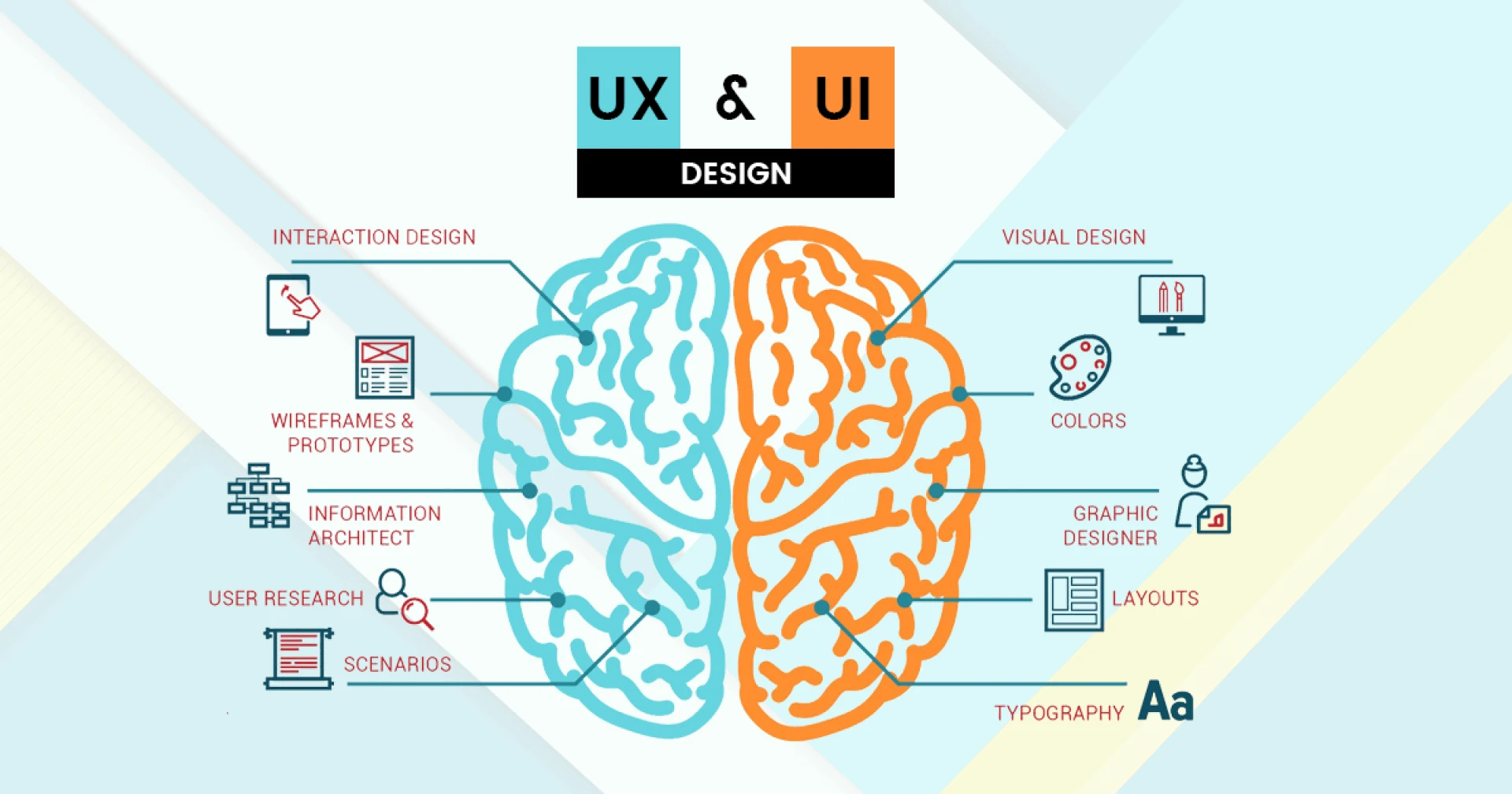
Wireframing: Create basic sketches of your website's layout to visualize the structure.Mockups: Develop detailed design mockups using tools like Adobe XD, Figma, or Sketch.User Experience (UX): Focus on creating an intuitive and seamless user experience.User Interface (UI): Design visually appealing interfaces that are consistent with your brand.3. Front-End Development
Front-end development involves converting design mockups into a functional user interface. Key technologies include:
HTML: HyperText Markup Language structures the content on your web pages.CSS: Cascading Style Sheets style the HTML elements, providing visual design and layout.JavaScript: Adds interactivity and dynamic behavior to your website.Frameworks and Libraries: Utilize frameworks like React, Angular, or Vue.js for efficient development.4. Back-End Development
Back-end development involves server-side logic, databases, and application functionality. Key components include:
Server: The server processes requests and delivers content to the client.Database: Stores and manages data. Common databases include MySQL, PostgreSQL, and MongoDB.Server-Side Languages: Languages like PHP, Python, Ruby, and Node.js handle server-side logic.APIs: Application Programming Interfaces facilitate communication between different parts of your application and third-party services.5. Integrating Front-End and Back-End
Integrating the front-end with the back-end ensures seamless communication between the user interface and the server. This involves:
RESTful APIs: Representational State Transfer APIs standardize the communication between the client and server.GraphQL: An alternative to REST, GraphQL allows clients to request specific data, improving efficiency.Authentication and Authorization: Implement user authentication (e.g., login systems) and authorization (e.g., user roles).6. Testing
Testing is crucial to ensure your website functions correctly and provides a good user experience. Types of testing include:
Unit Testing: Tests individual components or functions.Integration Testing: Ensures that different parts of the application work together correctly.End-to-End Testing: Tests the entire application flow from start to finish.Performance Testing: Measures how your website performs under various conditions.7. Deployment
Deploying your website involves making it live on the internet. Steps include:
Hosting: Choose a web hosting service to store your website files. Popular options include AWS, Bluehost, and Heroku.Domain Name: Register a domain name that represents your brand.Continuous Integration/Continuous Deployment (CI/CD): Automate the deployment process using tools like Jenkins, Travis CI, or GitHub Actions.8. Maintenance and Updates
After launch, ongoing maintenance is essential to keep your website secure and up-to-date. Tasks include:
Bug Fixes: Regularly fix any issues that arise.Security Updates: Implement security patches to protect against vulnerabilities.Content Updates: Keep your content fresh and relevant.Conclusion
Website development is a complex but rewarding process that combines various skills and technologies. By following this guide, you'll have a solid foundation to build and launch a successful website. Remember, continuous learning and staying updated with the latest trends and technologies are key to excelling in this ever-evolving field.








Sign in to leave a comment.