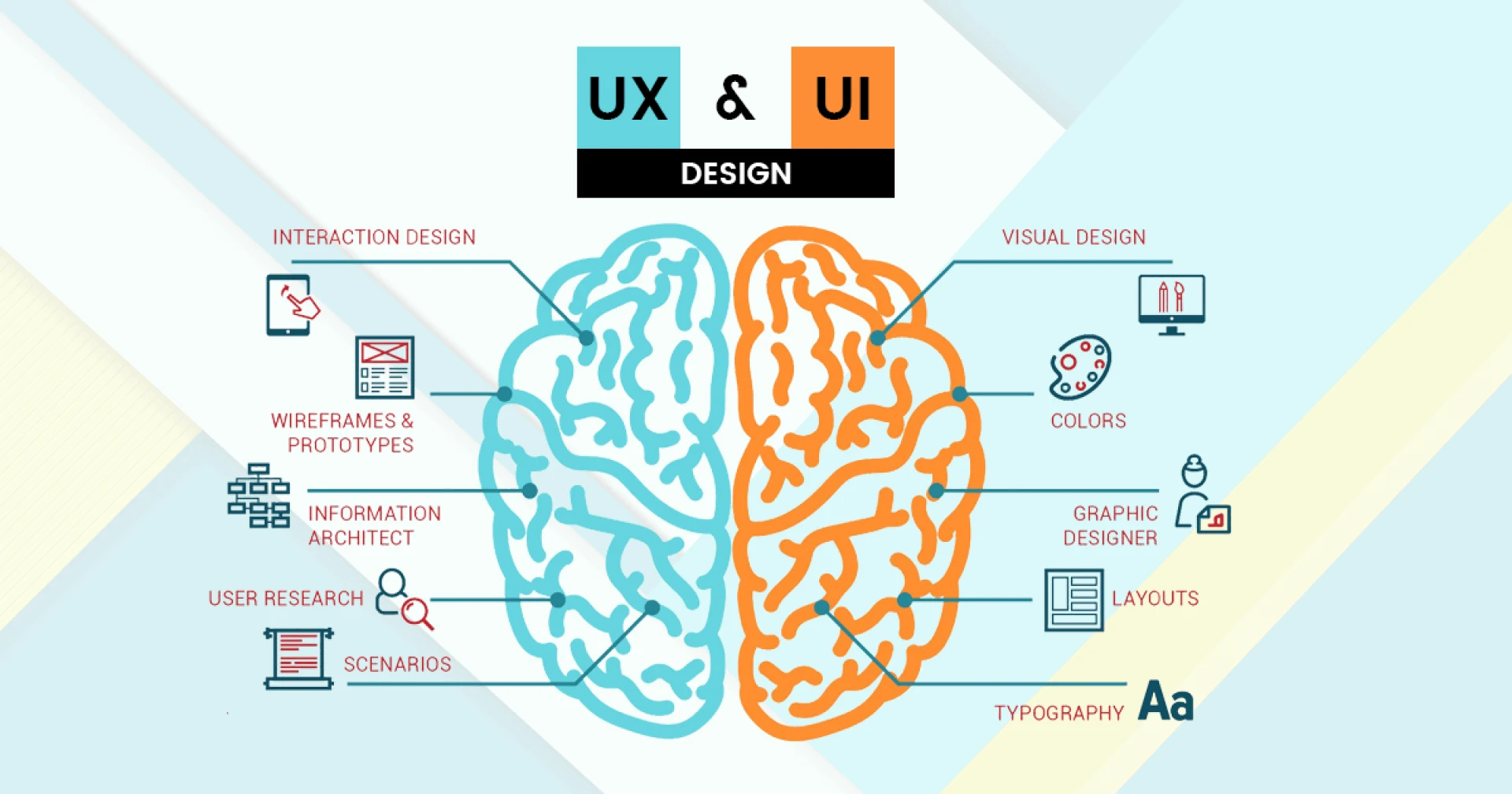

In today's digital age, the importance of user interface (UI) and user experience (UX) design cannot be overstated. Whether you're developing a mobile app, website, or software product, the UI/UX design plays a crucial role in determining its success. However, not all businesses have the in-house expertise or resources to handle UI/UX design effectively. This is where UI/UX outsourcing comes into play.
Outsourcing UI/UX design can be a strategic decision for companies looking to streamline their development process, reduce costs, and leverage specialized expertise. However, outsourcing also comes with its challenges, such as finding the right partner, communicating effectively, and ensuring quality deliverables. In this comprehensive guide, we'll walk you through the steps involved in outsourcing UI/UX design, from concept to creation.
Define Your Requirements
Before you begin the outsourcing process, it's essential to clearly define your requirements and objectives. What is the purpose of your project? Who is your target audience? What are the key features and functionalities you want to include? Defining these aspects will help you communicate effectively with potential outsourcing partners and ensure that they understand your vision.
Research and Select an Outsourcing Partner
Once you've defined your requirements, it's time to research potential outsourcing partners. Look for companies or freelancers with a proven track record in UI/UX design and relevant experience in your industry. Consider factors such as portfolio, client testimonials, and expertise in specific tools and technologies.
Reach out to multiple candidates and ask for proposals or quotes. Evaluate their responsiveness, communication skills, and willingness to understand your project requirements. Ultimately, choose a partner that aligns with your goals and values.
Collaborate on the Concept and Wireframes
With your outsourcing partner selected, collaborate on creating the concept and wireframes for your project. This involves defining the overall layout, navigation flow, and visual elements of the UI/UX design. Wireframes serve as a blueprint for the final design and help ensure that both parties are on the same page before moving forward.
- Schedule regular meetings or video calls to discuss the progress, provide feedback, and make any necessary revisions to the concept and wireframes.
Design Iterations and Prototyping
Once the concept and wireframes are finalized, the next step is to start the design iterations. Your outsourcing partner will create high-fidelity mockups and prototypes based on the approved wireframes. These prototypes allow you to visualize the final product and test the user experience before development begins.
Provide detailed feedback on the design iterations, focusing on aspects such as aesthetics, usability, and branding consistency. Aim for a collaborative approach, where both you and your outsourcing partner contribute ideas and insights to enhance the design.
User Testing and Feedback
After the initial prototypes are ready, conduct user testing to gather feedback from your target audience. This can be done through focus groups, surveys, or usability testing sessions. Pay attention to how users interact with the design, identify any pain points or usability issues, and gather insights for further improvement.
Share the feedback with your outsourcing partner and work together to address any identified issues. Iterate on the design based on user feedback until you're satisfied with the results.
Finalize the Design and Handoff
Once the design iterations are complete and feedback has been addressed, it's time to finalize the UI/UX design. Ensure that all assets are properly organized and documented for handoff to the development team. This includes design files, style guides, asset libraries, and any other relevant documentation.
Schedule a final review meeting with your outsourcing partner to ensure that all deliverables meet your expectations and requirements. Clarify any remaining questions or concerns and confirm the handoff process.
Maintain Ongoing Communication and Support
Even after the design handoff, maintaining ongoing communication with your outsourcing partner is essential. They can provide support during the development phase, address any unforeseen issues or challenges, and assist with future updates or enhancements to the UI/UX design.
Establish clear channels of communication and set expectations for regular updates and check-ins. Consider establishing a long-term partnership with your outsourcing partner for continued collaboration on UI/UX design projects.
Conclusion
Outsourcing UI/UX design can be a strategic and cost-effective solution for businesses looking to create compelling digital experiences. By following the step-by-step guide outlined above, you can navigate the outsourcing process effectively and ensure the success of your UI/UX design project, from concept to creation. Remember to prioritize clear communication, collaboration, and feedback throughout the process to achieve the best possible results.























Sign in to leave a comment.