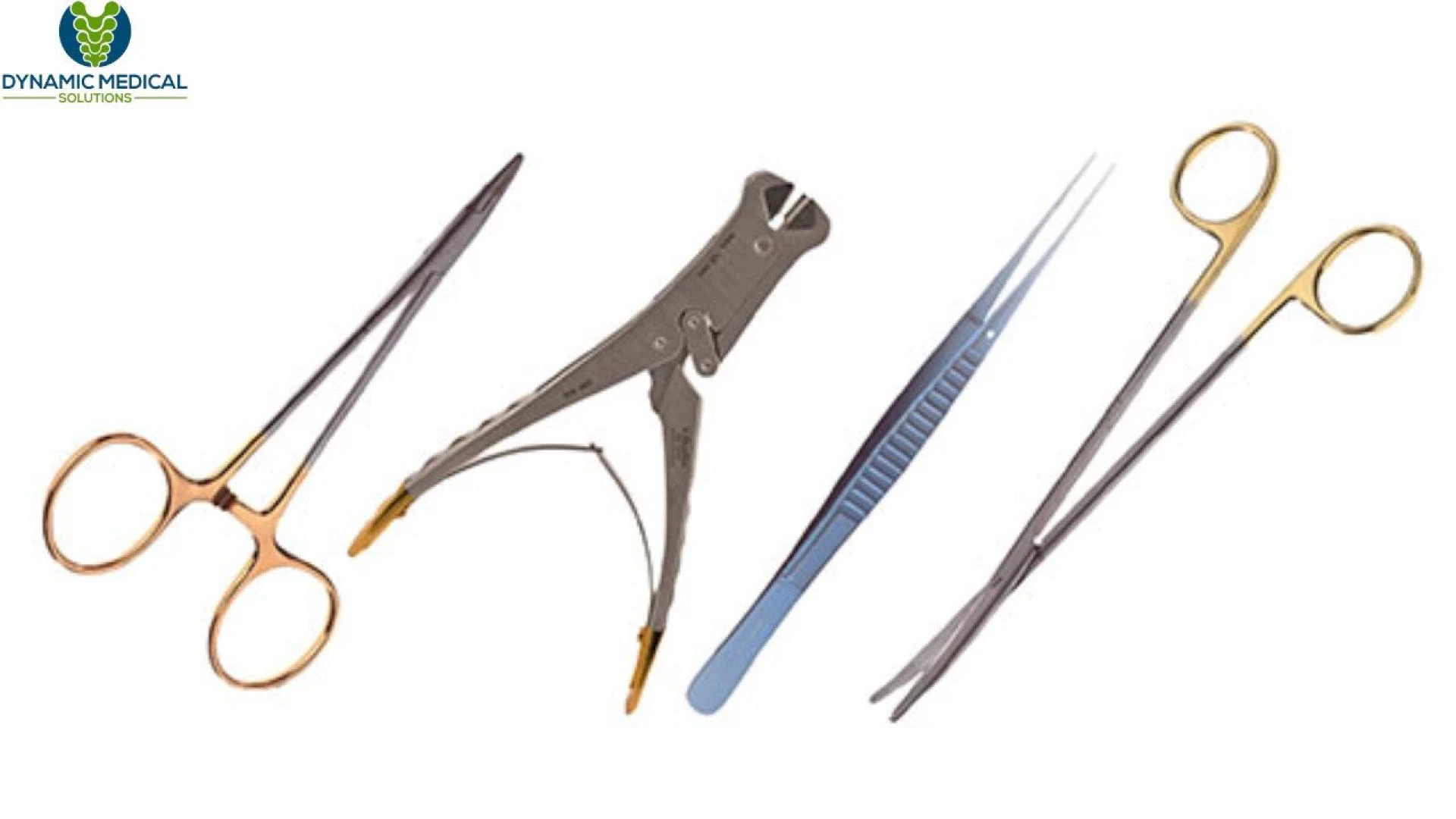

A Comprehensive Look at Surgical Scissors in Modern Medicine (1998 Words)
Surgical scissors, with their seemingly simple design, hold immense significance in the realm of modern surgery. These instruments empower medical professionals with the ability to perform precise cutting and meticulous dissection during a vast array of procedures. From their rudimentary origins to the cutting-edge designs of today, surgical scissors have undergone a remarkable transformation, constantly adapting to the ever-evolving needs of contemporary medicine.
A Journey Through Time: The Evolution of Surgical Scissors
The history of surgical scissors stretches back centuries, with ancient civilizations utilizing crude cutting tools for medical interventions. However, it wasn\'t until the Renaissance era that we witnessed the emergence of more refined scissors specifically designed for surgical applications. Over the course of time, advancements in metallurgy and manufacturing techniques paved the way for the development of surgical scissors boasting sharper blades and handles that offered superior ergonomics.
A Diverse Arsenal: The Different Types of Surgical Scissors
The world of surgical scissors is not a one-size-fits-all proposition. Each type is meticulously crafted to address the specific demands of various surgical procedures. Here\'s a glimpse into the diverse landscape of surgical scissors:
- Operating Scissors: These versatile workhorses are employed for cutting tissues, sutures, and bandages throughout surgical procedures. They come in a variety of lengths and blade designs to cater to the unique requirements of different surgeries.
- Dissecting Scissors: Designed for the utmost precision, dissecting scissors excel at meticulously dissecting tissues, nerves, and blood vessels. They feature fine, sharp tips and delicate blades, minimizing tissue trauma and ensuring accurate separation of structures.
- Suture Scissors: Also known as stitch scissors, these specialized instruments are perfect for snipping sutures during wound closure. Their small, pointed tips and sharp blades enable precise cutting of sutures without inflicting damage on surrounding tissues.
- Mayo Scissors: Named after the illustrious Mayo Clinic, Mayo scissors are robust instruments commonly employed for tackling tough tissues like fascia and cartilage. They possess sturdy blades and strong handles, providing increased cutting power and exceptional durability.
Building the Perfect Tool: Materials Used in Surgical Scissors
The foundation of a high-quality surgical scissor lies in the materials used in its construction. Typically, surgical scissors are crafted from high-grade stainless steel, renowned for its durability, resistance to corrosion, and ease of sterilization. For some advanced scissors, manufacturers might incorporate titanium or tungsten carbide inserts to bolster strength and sharpness.
Design and Functionality: Key Features of Surgical Scissors
Surgical scissors come in a multitude of configurations and designs, each tailored to suit the specific needs of various surgical specialties and procedures. Some of the key features that define a well-designed surgical scissor include:
- Ergonomic Handles: These handles are designed to provide a comfortable grip, ensuring precise control during surgery.
- Sharp, Finely Honed Blades: Sharpness is paramount, enabling clean and accurate cutting.
- Variable Blade Lengths and Angles: Different blade lengths and angles cater to the specific tasks encountered during surgery.
- Spring-Loaded Mechanisms: These mechanisms allow for effortless opening and closing of the scissors, reducing hand fatigue.
The Importance of a Razor-Sharp Edge: Why Sharpness and Precision Matter
Sharpness and precision are not mere virtues; they are fundamental qualities in surgical scissors. The impact they have on surgical procedures is undeniable. Dull or poorly maintained scissors can lead to:
- Tissue Trauma: This can hinder the healing process and increase the risk of complications.
- Prolonged Operating Times: Inefficient cutting translates to longer surgery times.
- Increased Risk of Postoperative Complications: Tissue trauma caused by dull scissors can lead to issues after surgery.
Maintaining Peak Performance: Proper Handling and Care of Surgical Scissors
To ensure optimal performance and longevity, surgical scissors require proper handling and meticulous care. Here are some key points to remember:
- Utilize the Right Scissors for the Job: Matching the scissor type to the intended task is crucial.
- Avoid Hard Surfaces: Contact with hard surfaces can dull the blades.
- Regular Inspection and Sharpening: Regularly inspect the blades, and sharpen them as needed.
- Follow Sterilization and Storage Protocols: Adhere to the manufacturer\'s instructions for sterilization and storage.
Pushing the Boundaries: Advancements in Surgical Scissor Technology
The field of surgical scissor technology is constantly evolving, with a focus on enhancing precision, ergonomics, and durability. Here are some recent advancements:
- Ergonomic Handle Designs: These designs aim to reduce hand fatigue and improve maneuverability for surgeons.
- Cutting-Edge Materials and Coatings: Integration of advanced materials and coatings enhances blade sharpness and longevity.
- Specialized Scissors for Minimally Invasive Surgery: Scissors designed specifically for minimally invasive and robotic-assisted surgeries are being developed.
To sum up, If you want to know more about surgical scissors visit us:https://www.dynamicmedicalsolution.com/





























Sign in to leave a comment.