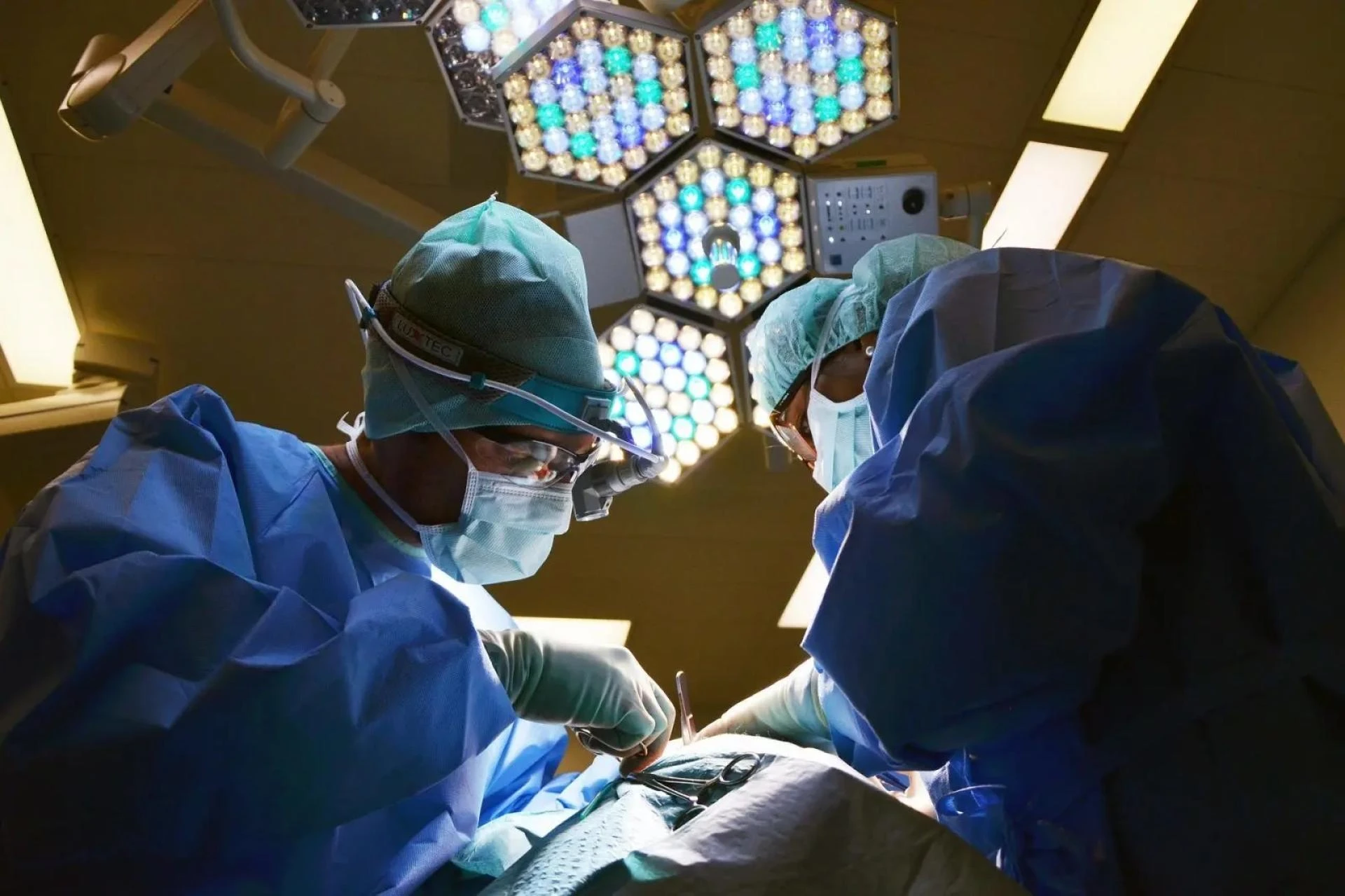

Post-operative care plays a vital role in determining how well and how quickly a patient recovers after surgery. Among the many tools used to support healing, surgical drainage devices are essential for preventing complications caused by fluid buildup. One such device, commonly used across various medical specialties, is the flat drain. Though often overlooked, this device contributes significantly to patient comfort, wound healing, and clinical monitoring.
This guest post provides an in-depth look at flat drains, explaining how they work, why they are used, and their importance in modern healthcare settings.
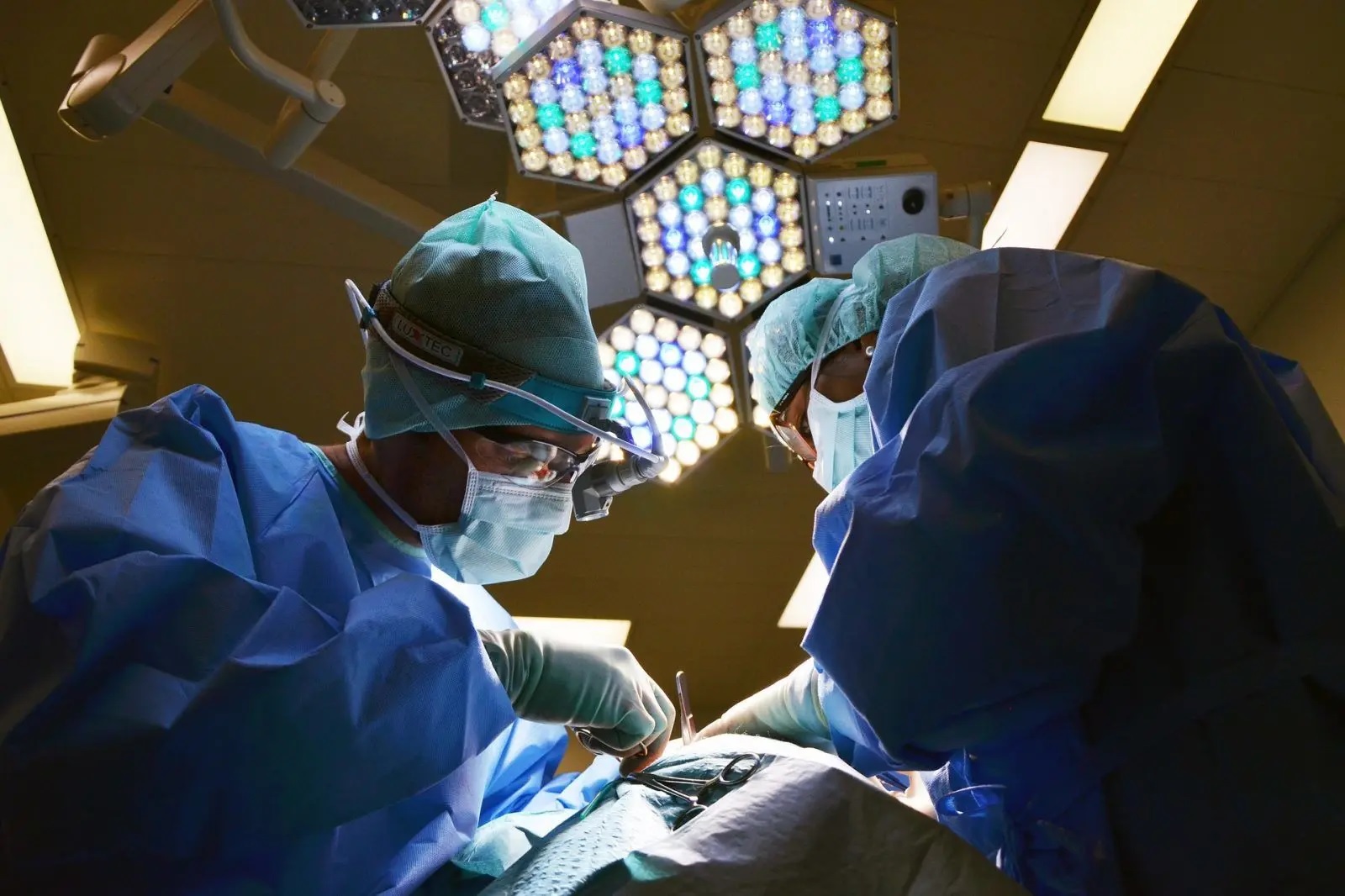
What Are Flat Drains?
JP flat drains are thin, flexible surgical drainage devices designed to remove excess fluids from a surgical site or wound. They are typically connected to a closed suction reservoir that creates negative pressure, encouraging continuous fluid removal. The flat design allows the drain to sit flush against tissue surfaces, making it especially useful in areas where space is limited or where reduced pressure on surrounding tissue is preferred.
These drains are commonly placed during surgery and remain in position throughout the early stages of healing, when fluid accumulation is most likely to occur.
Why Drainage Is Critical After Surgery
After a surgical procedure, the body responds by producing fluid as part of the natural healing and inflammatory process. While this response is expected, excessive fluid accumulation can create complications such as swelling, pain, delayed healing, and increased risk of infection.
Drainage systems help prevent these issues by removing fluid before it builds up. Devices like JP flat drains allow clinicians to manage this process efficiently while maintaining a clean and controlled wound environment.
How Flat Drains Differ From Other Drain Types
Surgical drains come in various shapes and designs, each suited for specific clinical needs. Flat drains differ from round or tubular drains in several important ways:
- Low-profile design allows for improved patient comfort
- Even fluid distribution helps prevent localized fluid pockets
- Reduced pressure on surrounding tissues
- Greater flexibility for placement in narrow or sensitive areas
These characteristics make flat drains particularly useful in procedures involving soft tissue, cosmetic surgery, or areas requiring minimal disruption.
Common Medical Applications
Flat drains are used across a wide range of medical and surgical disciplines, including:
- General and abdominal surgery
- Plastic and reconstructive procedures
- Breast surgeries and soft tissue operations
- Orthopedic and musculoskeletal procedures
- Post-traumatic wound management
Their versatility makes them suitable for both hospital-based procedures and outpatient surgical centers, where efficient recovery protocols are increasingly important.
Role in Post-Operative Monitoring
Beyond fluid removal, JP flat drains serve an important diagnostic and monitoring function. Healthcare providers closely observe drainage output to assess a patient’s recovery status. Key factors include:
- Volume of fluid collected over time
- Color and consistency of drainage
- Rate of change in output levels
A steady decrease in fluid output often signals proper healing, while sudden increases or changes in appearance may indicate bleeding, infection, or inflammation. This ongoing monitoring helps clinicians make informed decisions regarding patient care and the appropriate timing for drain removal.
Use in Outpatient and Home Care Environments
With advancements in surgical techniques and post-operative care, many patients are discharged earlier and continue recovery at home. In such cases, flat drains are frequently managed outside of hospital settings.
Patients and caregivers are typically educated on how to:
- Empty the drainage reservoir safely
- Measure and record fluid output accurately
- Maintain cleanliness around the insertion site
- Recognize signs of infection or blockage
Clear instructions and proper follow-up are essential to ensure safe use and reduce the risk of complications during home recovery.
Patient Comfort and Quality of Life
Patient comfort is an important consideration in post-operative care. The flat design of these drains helps minimize discomfort by reducing pressure points and irritation at the insertion site. This can improve mobility, sleep quality, and overall well-being during recovery.
By supporting both physical healing and patient comfort, JP flat drains contribute to a smoother and more manageable recovery experience.
Best Practices for Safety and Hygiene
To ensure optimal outcomes, strict hygiene and safety protocols must be followed when using surgical drains. Common best practices include:
- Practicing proper hand hygiene before handling the drain
- Keeping the wound site clean and dry
- Securing the drain to prevent accidental pulling
- Following medical guidance for emptying and maintenance
Healthcare professionals play a key role in educating patients about these practices, especially when drains are managed at home.
Regulatory and Clinical Considerations
Surgical drainage devices are subject to healthcare regulations and clinical standards to ensure patient safety. Medical facilities must follow established protocols for storage, usage, staff training, and disposal.
Adherence to these standards supports consistency in care delivery and helps reduce the risk of errors or complications during treatment.
Educating Patients and Supporting Better Outcomes
Patient education is a cornerstone of successful post-operative care. When patients understand the purpose of their surgical drain and how it supports healing, they are more likely to follow care instructions and report concerns promptly.
Educational resources that explain surgical tools in clear, accessible language help bridge the gap between clinical care and patient experience, building trust and confidence throughout the recovery journey.
Conclusion
Flat drains are a crucial component of modern surgical and wound care, supporting effective fluid management, improved patient comfort, and valuable clinical monitoring. Their flat, flexible design makes them suitable for a wide range of procedures and care environments, from hospitals to home recovery settings.
By understanding how these drains work and why they are used, healthcare providers and patients alike can contribute to safer procedures, reduced complications, and better overall recovery outcomes.


























Sign in to leave a comment.