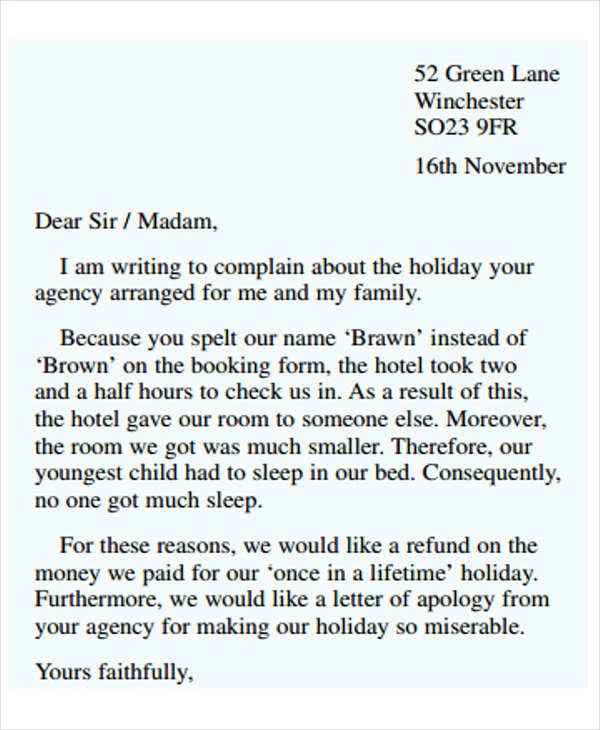

Writing a formal letter is an essential skill that can benefit you in various aspects of life, from professional correspondence to handling personal matters. Understanding the structure and nuances of formal letter writing ensures your message is clear, concise, and appropriate for the intended audience. This blog will provide a detailed, step-by-step guide to writing a formal letter, starting with a formal letter starts with mcq to test your initial knowledge.
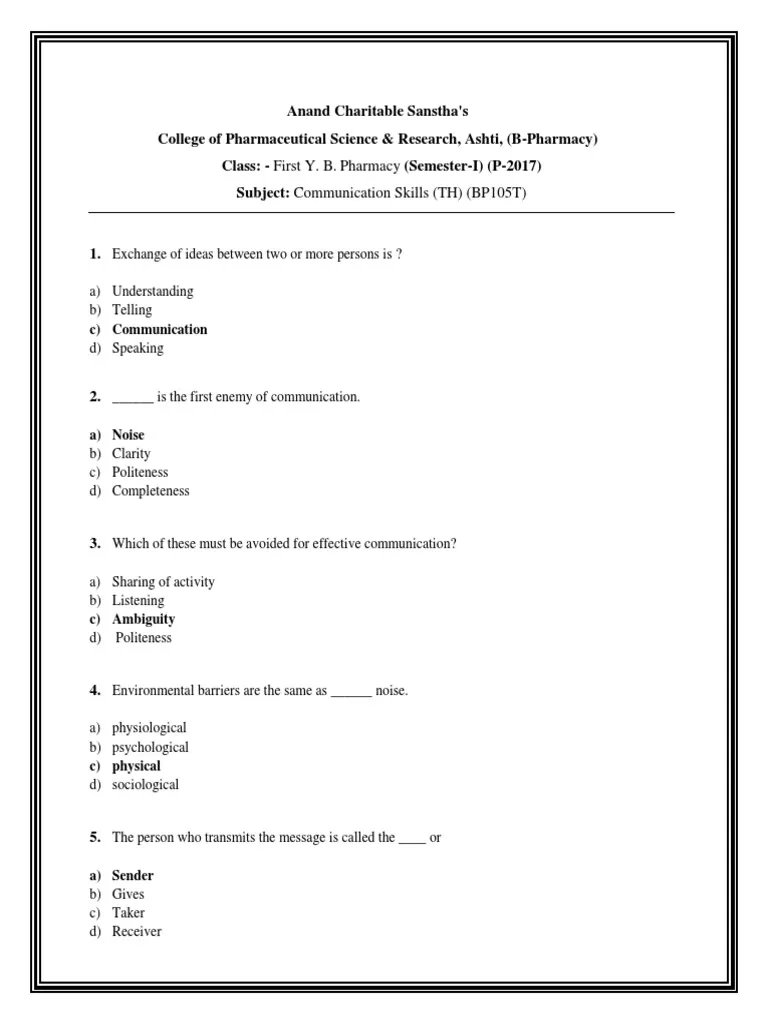
Multiple-Choice Questions (MCQs)
Before we dive into the intricacies of formal letter writing, let\'s start with a few MCQs to gauge your current understanding.
1. What is the correct salutation for a formal letter to an unknown recipient?
- A. Dear Sir/Madam
- B. Hi there
- C. To whom it may concern
- D. Hey
2. Which of the following is a proper closing for a formal letter?
- A. Love
- B. Cheers
- C. Sincerely
- D. Besties
3. Where should the date be placed in a formal letter?
- A. At the end of the letter
- B. In the middle of the page
- C. Below the sender’s address
- D. Above the recipient’s address
4. What is the purpose of a subject line in a formal letter?
- A. To greet the recipient
- B. To summarize the main point of the letter
- C. To provide the sender’s contact details
- D. To list the attachments included
Answers to the MCQs:
- A. Dear Sir/Madam
- C. Sincerely
- C. Below the sender’s address
- B. To summarize the main point of the letter
Components of a Formal Letter
Besides knowing a formal letter starts with mcq, it\'s also important to know the components of it. A formal letter typically consists of the following components:
1. Sender\'s Address
The sender\'s address is placed at the top left corner of the letter. It includes the sender\'s full name, street address, city, state, and zip code. This information should be complete and accurate.
2. Date
The date is placed one line below the sender\'s address or on the right side of the page, opposite of the sender\'s address. The date should be written in full with the month spelled out (e.g., June 4, 2024).
3. Recipient\'s Address
The recipient\'s address comes next, one line below the date (if the date is on the left side) or right below the sender\'s address (if the date is on the right side). The recipient\'s address should be written in the traditional format with the name on the first line, the street address on the second line, and the city, state, and zip code on the third line.
4. Salutation
The salutation is a formal greeting used to address the recipient. Common salutations include "Dear Mr./Ms./Mrs. [Last Name]," "Dear Sir or Madam," or "To Whom It May Concern" if the recipient\'s name is unknown. The salutation should be followed by a colon.
5. Subject Line (Optional)
Some formal letters may include a subject line right after the salutation to indicate the purpose of the letter. The subject line is optional but can be helpful for the recipient to quickly understand the letter\'s content.
6. Body
The body of the letter is where the main content is written. It should be divided into well-structured paragraphs with clear and concise language. The first paragraph typically introduces the purpose of the letter, while subsequent paragraphs provide details, explanations, or requests.
7. Closing
The closing is a polite way to end the letter. Common closings include "Sincerely," "Respectfully," "Best regards," or "Thank you." The closing should be followed by a comma.
8. Sender\'s Name and Signature
After the closing, the sender should type their full name, leaving enough space below for a handwritten signature. In some cases, the sender\'s job title or position may be included below their name.
9. Enclosures (Optional)
If any additional documents or materials are being sent with the letter, the word "Enclosures" should be typed below the sender\'s name, followed by a list of the enclosed items.
10. Typeset
Formal letters should be typed using a simple and readable font, such as Times New Roman or Arial, with a font size of 10 or 12 points. The text should be left-aligned, and the spacing between lines should be consistent (usually single-spaced).
While the specific format and components may vary slightly depending on the organisation or the purpose of the letter, following these general guidelines will ensure that your formal letter is strictly professional.
Tips to Write Formal Letters
Following these tips will help you craft a professional and effective formal letter:
1. Use proper formatting
A formal letter should follow a specific format, including the sender\'s address, date, recipient\'s address, salutation, body, closing, and signature. Ensure that you use the correct layout and spacing to maintain a professional appearance.
2. Choose the appropriate salutation
The salutation sets the tone for the letter. If you know the recipient\'s name, use a formal greeting such as "Dear Mr./Ms./Mrs. [Last Name]." If the name is unknown, use a more general greeting like "Dear Sir or Madam" or "To Whom It May Concern."
3. State the purpose clearly
In the opening paragraph, clearly explain the purpose of the letter. Be direct and specific, providing relevant context or background information.
4. Organise your content logically
The body of the letter should be well-structured and easy to follow. Use clear paragraphs to separate different ideas or points, and ensure that the content flows logically from one section to the next.
5. Use formal language
Formal letters should be written in a professional and courteous tone, avoiding slang, contractions, or informal language. Use complete sentences, proper grammar, and a formal vocabulary.
6. Be concise and precise
While providing sufficient detail, aim to be concise and avoid unnecessary wordiness or repetition. Choose precise words that convey your message clearly and effectively.
7. Proofread carefully
Before sending the letter, proofread it thoroughly for errors in spelling, grammar, punctuation, and formatting. A well-proofread letter reflects professionalism and attention to detail.
Conclusion
 Understanding the structure and conventions of formal letters is essential for effective professional communication. Knowing a formal letter starts with mcq answers is also important for a well-written letter. Formal letters represent you and your organisation, so taking the time to ensure proper formatting, clear language, and a polished presentation is crucial.























Sign in to leave a comment.