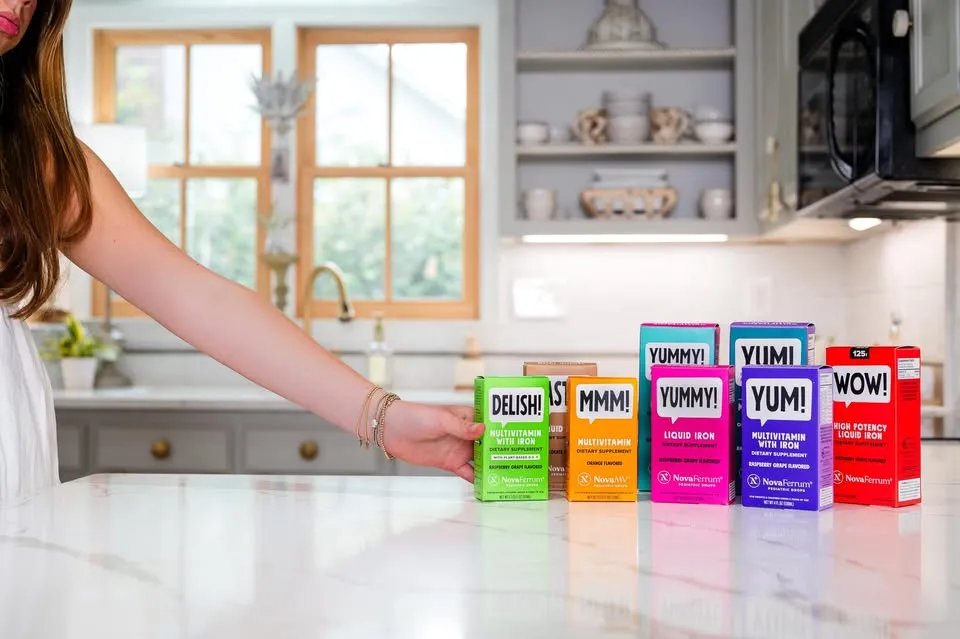

Iron is an essential nutrient that supports healthy growth and development during childhood. It plays a key role in producing hemoglobin, the protein in red blood cells responsible for carrying oxygen throughout the body. When children do not get enough iron from their daily diet, they may struggle to meet their nutritional needs, making supplementation a consideration under the guidance of a healthcare professional.
Choosing the right iron supplements for kids begins with understanding your child's age, dietary habits, and nutritional requirements. Supplements are available in different forms, including liquids, chewables, and tablets. The best option is one that is appropriate for your child's age, easy to take, and formulated with quality ingredients.
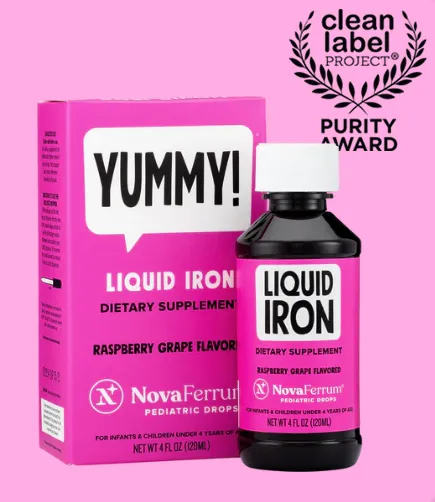
For infants and younger children, a liquid iron supplement is often preferred because it allows for accurate dosing and is easier to swallow. Many pediatric liquid formulas are designed with pleasant flavors to encourage better acceptance while avoiding unnecessary ingredients such as artificial colors, alcohol, or excessive sugar.
Older children who can safely chew tablets may prefer chewable iron options. Regardless of the format, always check the recommended serving size and follow the directions provided by your healthcare provider or the product label. Giving more than the recommended amount is not beneficial and may be harmful.
Another important factor is ingredient quality. Parents often look for products that are gluten-free and made without artificial flavors, parabens, or high-fructose corn syrup. Some formulations also include Vitamin C, which helps improve iron absorption, while others combine iron with additional vitamins to support overall nutrition.
Diet continues to play an important role alongside supplementation. Iron-rich foods such as lean meats, beans, lentils, spinach, fortified cereals, and eggs can help children maintain healthy iron intake. Pairing these foods with fruits rich in Vitamin C, such as oranges or strawberries, may further support absorption.
When selecting iron supplements for kids, look for products that are specifically developed for pediatric use and manufactured to high quality standards. Reading labels carefully and consulting a pediatrician can help ensure the supplement matches your child's individual needs.
A thoughtfully chosen liquid iron supplement or other age-appropriate formula can complement a balanced diet when additional iron is recommended. With the right approach, parents can confidently support their child's nutritional journey and healthy development while establishing lifelong habits that promote overall wellness.



























Sign in to leave a comment.