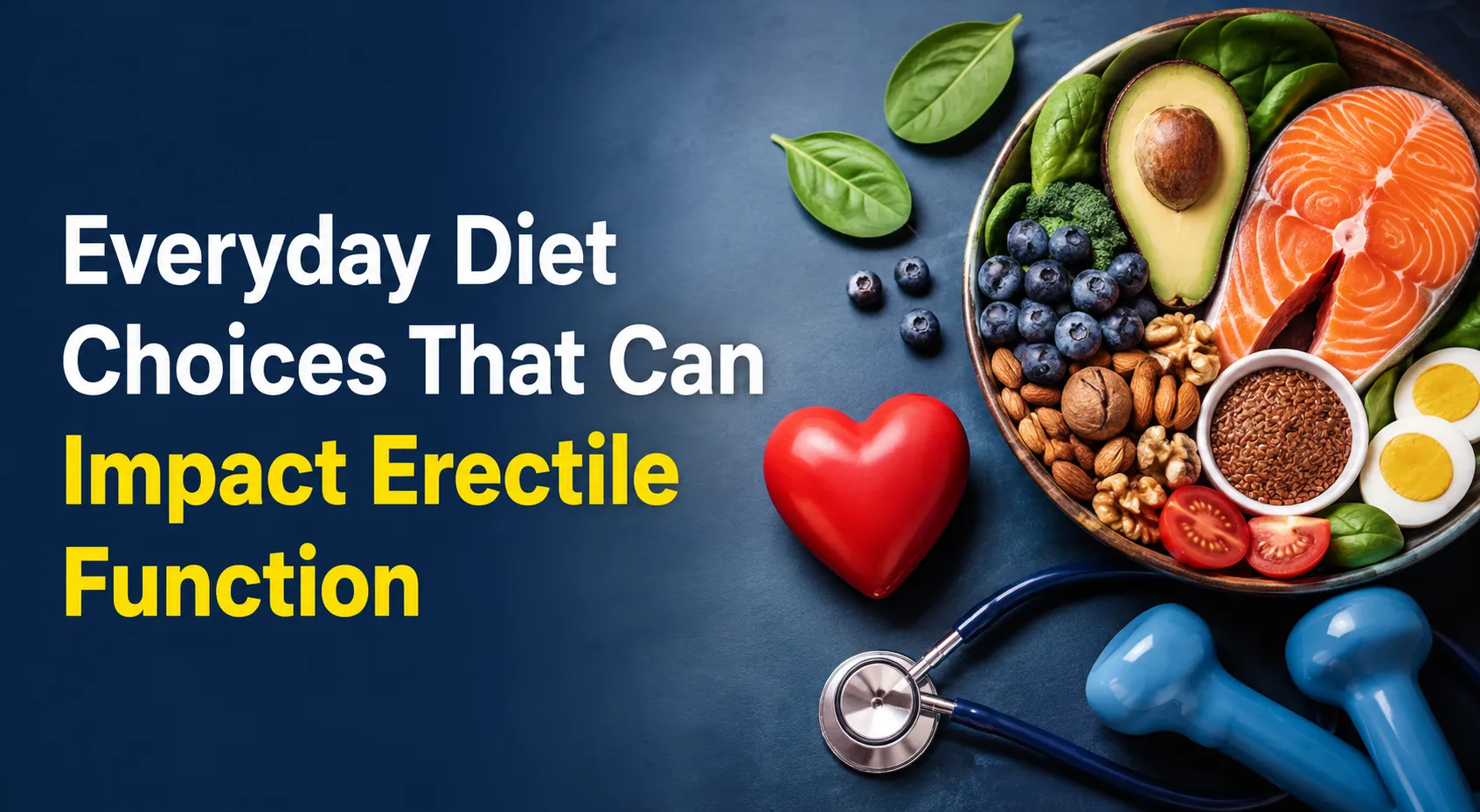

t’s easy to think of erectile function as something completely separate from what’s sitting on your dinner plate. A burger here, a sugary drink there, maybe a few late-night snacks — it doesn't seem connected. Yet over time, everyday eating habits can affect blood vessels, blood sugar, body weight, and heart health, all of which are tied to sexual function. If you're searching for the worst foods for erectile dysfunction, the list is less about one “bad” meal and more about eating patterns that repeatedly rely on fried foods, processed meats, excess sugar, refined carbohydrates, and heavy alcohol use. Even resources such as UrogenED Whitby discuss erectile health in the wider context of men's health rather than treating erections as an isolated issue.
Why Food Has Anything to Do With Erections
An erection depends heavily on healthy blood flow. Blood vessels need to relax and allow enough blood to enter the penis and stay there during sexual activity.
That sounds straightforward, but your cardiovascular system has a lot to do with it.
A diet high in saturated fat, added sugar, sodium, and highly processed foods can contribute to health problems such as obesity, diabetes, high blood pressure, and cardiovascular disease. Those conditions are also associated with erectile dysfunction. The National Institute of Diabetes and Digestive and Kidney Diseases notes that healthier eating patterns may lower the risk of ED and may improve symptoms.
So, no, eating one slice of pizza isn't going to suddenly cause erectile dysfunction. Life doesn't work that neatly.
It is the repeated pattern that deserves attention.
Fried Foods and Heavy Fat Intake
French fries, fried chicken, battered snacks, fast-food meals — they're convenient, tasty, and, honestly, hard to resist sometimes.
The problem comes when these foods become regular meals rather than occasional treats. Many fried and fatty foods contain substantial amounts of saturated fat. A diet high in saturated fat can contribute to cardiovascular risk, and blood-vessel health matters for normal erections.
This doesn't mean you need to remove every food you enjoy. Swapping some fried meals for grilled fish, beans, vegetables, or a home-cooked dish can make a meaningful difference over time.
Small changes count.
Processed Meat Can Be a Problem Too
Bacon, sausages, hot dogs, salami, and other processed meats are common breakfast or lunch choices. They're quick, filling, and easy to keep in the refrigerator.
Still, regularly eating large amounts of processed and red meat is not the dietary pattern most often associated with good cardiovascular health. NIDDK recommends limiting foods high in saturated fat, including red meat and fried foods, as part of an eating plan that supports erectile health.
Try switching a few meals each week to beans, lentils, fish, nuts, or leaner protein sources. It doesn't have to become a strict diet overnight.
Sugary Drinks and Refined Carbohydrates
That afternoon soda can feel harmless. Same with sweetened coffee or an energy drink.
But sugary beverages can add a surprising amount of sugar without making you feel particularly full. Regularly consuming foods and drinks high in added sugar can also make it harder to manage body weight and blood sugar.
Refined carbohydrates deserve a look too. Pastries, candy, chips, white bread, and similar foods can crowd out more nutrient-rich choices when they're eaten frequently.
A useful everyday swap is pretty ordinary: water instead of soda, oats instead of a sugary breakfast pastry, or brown rice instead of white rice once in a while.
Nothing dramatic.
Too Much Alcohol May Affect Sexual Function
Alcohol deserves its own mention because it can affect sexual performance in several ways.
Heavy alcohol use can interfere with sexual arousal and the body's ability to maintain an erection. It can also contribute to other health problems that raise the risk of ED. NIDDK recommends limiting or stopping alcohol use as part of lifestyle changes that may help erectile dysfunction.
If alcohol is part of your routine, cutting back may be more useful than searching for a “magic” food for erections.
Foods That Support Erectile Health
There is also a positive side to this conversation.
You don't have to focus only on what to remove. A healthier eating pattern can include plenty of vegetables, fruits, legumes, whole grains, nuts, seeds, and fish. NIDDK specifically lists leafy greens, beets, berries, oranges, beans, lentils, nuts, seeds, fatty fish, oats, brown rice, and quinoa among healthier choices for people concerned about ED.
The Mediterranean-style diet gets particular attention in research on erectile function. Studies have associated this eating pattern — rich in vegetables, fruits, whole grains, nuts, fish, and healthier fats — with a lower risk of erectile dysfunction.
A newer systematic review involving more than 27,000 participants also found associations between healthier dietary patterns, greater intake of fruits and vegetables, nuts, and lower ED risk.
That doesn't mean walnuts or blueberries are an ED treatment. Food isn't a replacement for medical care. It simply means the overall quality of your diet can be part of the bigger picture.
A Simple Day of Better Food Choices
Imagine a normal weekday.
Breakfast could be oatmeal topped with berries and a few nuts instead of a sugary pastry. Lunch might be grilled chicken, lentils, or fish with vegetables and whole grains. For a snack, fruit or unsalted nuts can replace chips. Dinner could be salmon, beans, vegetables, and brown rice.
Nothing fancy.
And you don't need to eat perfectly every day. One takeaway meal or dessert isn't going to erase months of healthy habits. What matters more is what your usual week looks like.
Don't Blame Food for Everything
Erectile dysfunction can have many causes. Diabetes, heart and blood-vessel disease, obesity, certain medications, hormone problems, smoking, stress, anxiety, and low physical activity can all play a role.
So if erection problems keep happening, changing your diet is a sensible step, but it shouldn't be the only one.
Persistent ED can sometimes be an early sign of another health issue. A healthcare professional can look at your medical history, medications, blood pressure, sexual symptoms, and other possible causes.
Food is only one piece of the puzzle.
Still, it's a piece you can start working on today. Maybe replace the second sugary drink with water. Add vegetables to dinner. Have fish instead of fried food once or twice this week. Take a walk after eating.
Nothing flashy. Just better habits, repeated often enough to matter.























Sign in to leave a comment.