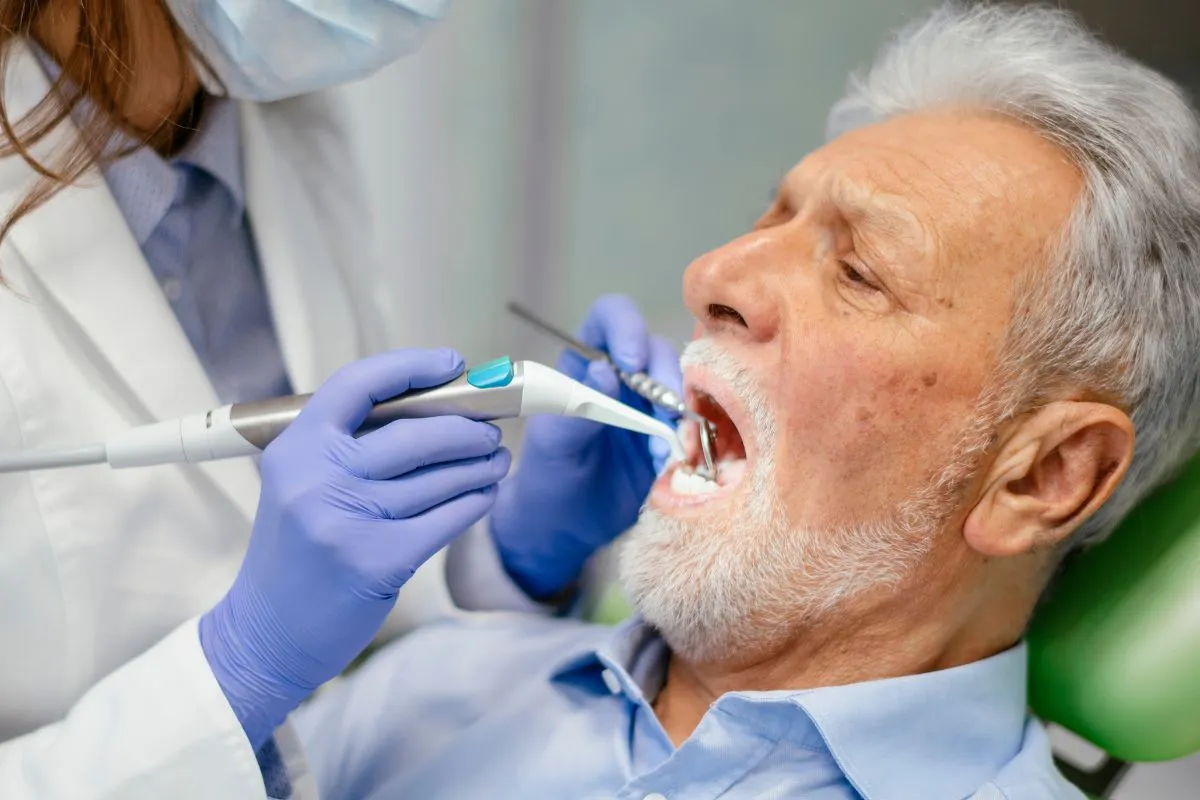

Most people think of oral health as separate from overall health — something to manage on its own, unrelated to how well the rest of the body is aging. But research increasingly points to a much deeper connection, particularly for older adults. Gum disease, tooth loss, and chronic oral infections have been linked to a range of systemic health concerns, including cardiovascular issues, diabetes complications, and even cognitive decline.
The mouth changes in specific ways as people age, and those changes create new risks. Saliva production naturally decreases over time, and since saliva plays a major role in washing away bacteria and neutralizing acids, reduced flow makes older adults more prone to cavities and gum irritation. Gum tissue can also recede, exposing more of the tooth root, which is more vulnerable to decay than the enamel-covered crown. A closer look at how these age-related shifts affect checkup frequency and what a senior-focused dental visit should include is covered in this article on dental checkups for seniors, which is a useful starting point for understanding what changes as you get older.
One of the less obvious risks is how oral health affects nutrition. Missing teeth, ill-fitting dentures, or untreated tooth pain can make chewing difficult, which often leads older adults to gravitate toward softer, less nutrient-dense foods. Over time, this shift can contribute to weight loss, muscle loss, and nutritional deficiencies — all of which play a role in how well someone ages physically. Maintaining a functional, comfortable bite isn't just about the mouth; it's connected to whether someone can maintain a balanced diet at all.
There's also a social dimension that's easy to overlook. Tooth loss and visible dental issues can affect confidence, and for some older adults, this leads to withdrawing from social situations — fewer meals out, less willingness to smile or speak up in group settings. Since social engagement is itself linked to healthy aging and cognitive health, the ripple effects of untreated dental issues extend further than most people expect.
Regular checkups become more important with age, not less, precisely because these changes tend to be gradual and easy to miss without professional monitoring. A dentist can catch early signs of gum recession, bone density loss around the teeth, or oral cancer symptoms well before they become serious. For older adults managing other health conditions, maintaining oral health can also reduce complications tied to those conditions.
Aging well involves more moving pieces than most people account for, and oral health deserves a bigger seat at that table than it typically gets. Staying consistent with dental visits later in life isn't just about keeping a healthy smile — it's a meaningful part of protecting overall health for years to come.

























Sign in to leave a comment.