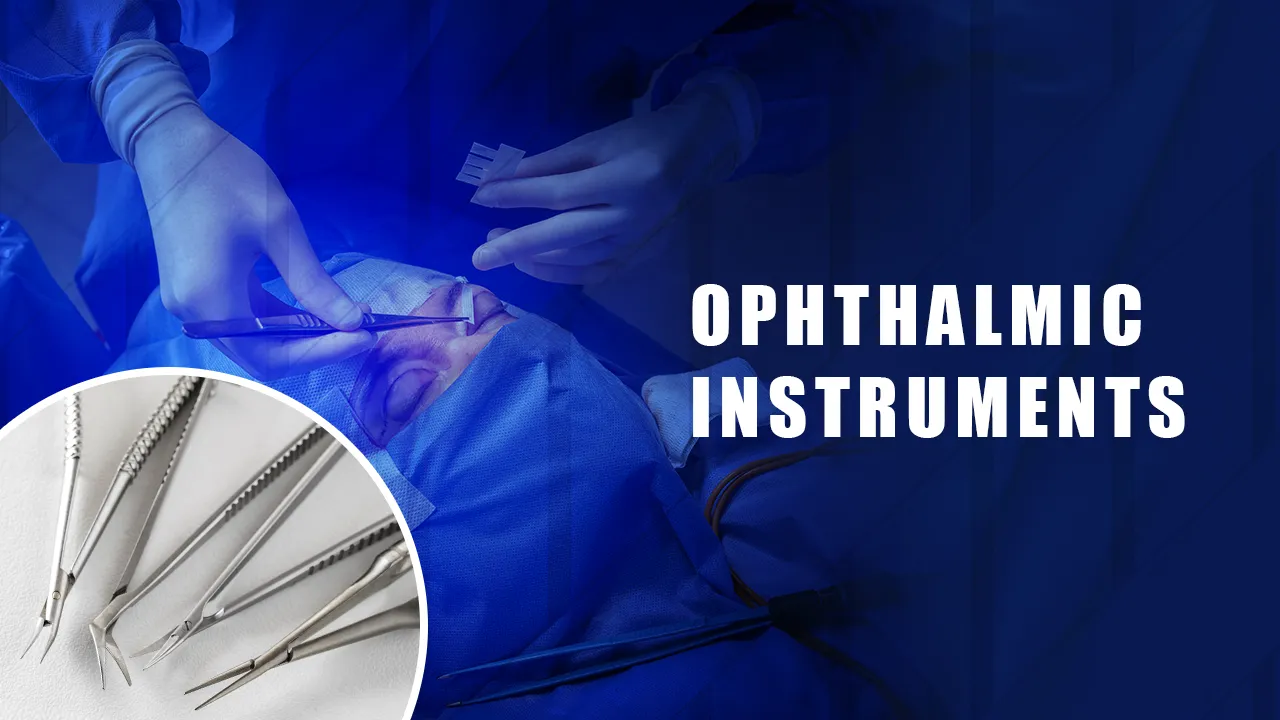

Choosing the right ophthalmic instruments is essential for every eye clinic, hospital, ophthalmology surgical center, and medical distributor. Because eye procedures involve delicate tissues, microscopic working areas, and high precision, healthcare professionals need eye surgical instruments that offer accuracy, control, durability, and safe handling. Whether you want to buy ophthalmic instruments online, source reusable ophthalmic instruments, or place a bulk order with an ophthalmic instruments manufacturer, the right selection can improve clinical workflow and support better procedural efficiency.
Understand Your Clinical Requirements
Before purchasing ophthalmic surgical instruments, start by identifying the procedures your facility performs most often. A clinic focused on examination and minor eye care may require basic eye speculums, ophthalmic forceps, scissors, cannulas, and sterilizing trays. A surgical center performing cataract surgery, lacrimal procedures, pediatric ophthalmic procedures, or eyelid retraction may need more specialized tools such as lacrimal cannulas, Barraquer infant wire speculums, needle holders, manipulators, choppers, retractors, spatulas, and ophthalmic procedure kits.
For buyers comparing suppliers, product range matters. A wide collection can help you source multiple instruments from one place, while a focused manufacturer may be suitable for OEM ophthalmic instruments, customized manufacturing, or distributor-level bulk supply.
Check Instrument Quality and Material
High-quality ophthalmic instruments should be designed for precision, stability, and repeated clinical performance. Stainless steel ophthalmic instruments are commonly preferred because they offer strength, corrosion resistance, and compatibility with sterilization protocols. When choosing forceps, scissors, speculums, cannulas, or needle holders, look for fine tips, smooth finishing, ergonomic grip, and accurate alignment.
For delicate eye surgery instruments, even small design differences matter. Forceps should hold tissue securely without excessive pressure. Ophthalmic scissors should provide controlled cutting and fine dissection. Eye speculums should gently hold eyelids open while maintaining visibility. Cannulas should support controlled irrigation, aspiration, or lacrimal duct access depending on the procedure.
Reusable vs. Single-Use Ophthalmic Instruments
Another important buying decision is whether to choose reusable ophthalmic instruments or single-use ophthalmic procedure packs. Reusable instruments are suitable for facilities with proper sterilization systems and regular surgical volume. They can be cost-effective over time when maintained correctly. Single-use ophthalmic instruments or sterile procedure kits are useful for infection-control workflows, emergency stock, outreach programs, and facilities that prefer ready-to-use convenience.
For hospitals and eye clinics, a balanced inventory often works best: reusable surgical tools for routine procedures and single-use packs for specific cases where sterility, speed, and convenience are priorities.
Evaluate Supplier Reliability
When searching for an ophthalmic instrument supplier, do not compare only price. Review availability, product variety, manufacturing capabilities, and support for bulk orders. Commercial buyers should look for terms such as ophthalmic instruments wholesale, OEM surgical instruments manufacturer, bulk ophthalmic instruments, eye instruments supplier, and buy eye surgical instruments online.
A dependable supplier should provide clear product categories, technical details, size options, and responsive communication. For distributors, OEM buyers, and procurement teams, the ability to request product details, customized instruments, and repeat supply is especially important.
Consider Price, Value, and Long-Term Use
Low-cost ophthalmic instruments may seem attractive, but price should be evaluated alongside performance, durability, and clinical suitability. A slightly higher-quality speculum, cannula, forceps, or scissor can reduce replacement frequency and support smoother procedures. For bulk buyers, ask about wholesale pricing, minimum order quantities, customization, sterilization support, and delivery timelines.
Final Thoughts
The best ophthalmic instruments combine precision engineering, comfortable handling, safe clinical use, and dependable supply. Whether you are purchasing lacrimal cannulas, eye speculums, ophthalmic forceps, scissors, retractors, needle holders, manipulators, or complete ophthalmic trays, choose tools that match your procedure type, sterilization workflow, and purchasing goals. For clinics, hospitals, surgeons, and medical distributors, investing in reliable ophthalmic surgical instruments is not just a buying decision—it is a commitment to accuracy, safety, and professional eye care.























Sign in to leave a comment.