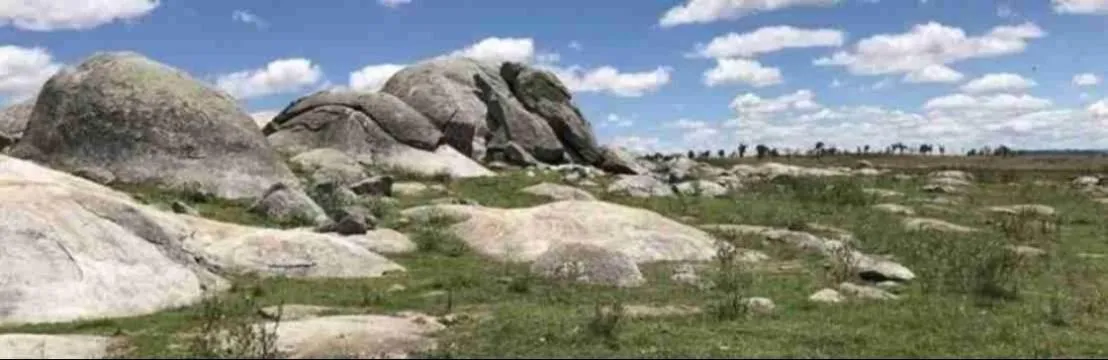
Development can change a site permanently, which makes heritage planning something that should happen before construction begins. Aboriginal cultural heritage can include objects, sites, places, and cultural values connected with Country. A proper assessment helps identify those considerations early, rather than discovering them after works have already started. In New South Wales, due diligence provides a recognised process for determining whether Aboriginal objects may be present and whether proposed activities could harm them.
Identify Heritage Considerations Before Development Starts
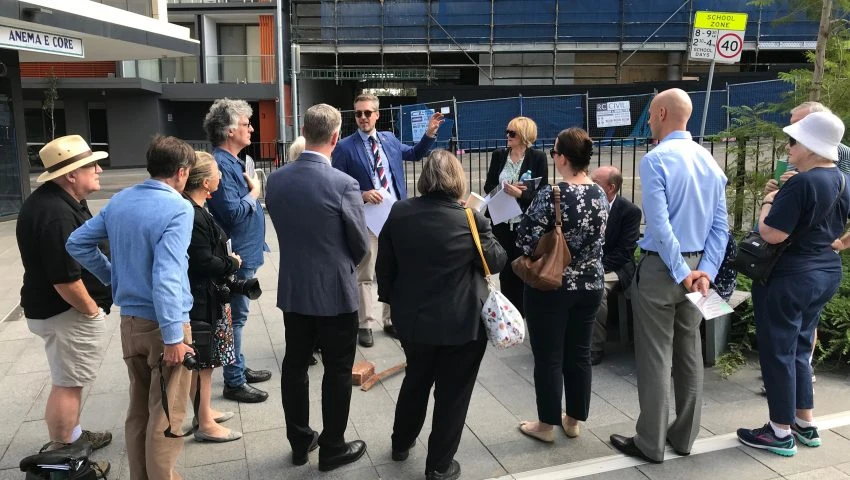
For developers, engaging an Aboriginal heritage consultant early can clarify what heritage considerations may affect a proposed project. An assessment can involve desktop research, fieldwork, archaeological investigation, and consultation with Traditional Custodians, depending on the site and proposed works. This information gives project teams a clearer understanding of potential constraints before finalising construction plans. The approach used should reflect the site's circumstances rather than applying the same process to every project.
Early assessment can help identify:
- Aboriginal objects or sites within the proposed development area.
- Areas requiring further archaeological or cultural investigation.
- Potential impacts created by excavation or construction.
- Consultation requirements involving relevant Aboriginal communities.
- Heritage information requiring appropriate documentation and management.
Build Heritage Into The Development Process
Responsible development does not mean avoiding every site with heritage sensitivity. It means understanding cultural values and making informed decisions about potential impacts. NSW guidance states that where Aboriginal objects are present or likely to be present and an activity may harm them, further assessment and potentially an Aboriginal Heritage Impact Permit may be required.
A heritage assessment can therefore become part of broader development planning instead of appearing as an unexpected obstacle later. Findings can inform project design, construction methods, site protection measures, and approval documentation.
A practical assessment may involve:
- Reviewing available heritage records and background information.
- Checking relevant information through the AHIMS system.
- Conducting appropriate field investigations where required.
- Assessing how proposed works could affect heritage.
- Documenting recommendations for protecting cultural values.
The Aboriginal Heritage Information Management System records Aboriginal sites across NSW and provides information used during heritage assessment and site management.
Support Respectful Consultation And Better Decisions
Aboriginal heritage assessment is not simply a technical exercise. Consultation with Traditional Custodians can provide important cultural knowledge that archaeological information alone cannot provide. NSW guidance also recognises Aboriginal community consultation as part of the responsibilities associated with heritage impact processes.
This is where experienced local advice becomes particularly useful. A heritage consultant in Central Coast NSW can help project teams understand local heritage requirements while coordinating assessment, reporting, consultation, and development considerations. Hunter Archaeology describes its approach as collaborative, solution-focused, and tailored to the project and relevant legislation.
Good heritage planning should help answer practical questions:
- What heritage values could exist within the project area?
- Could proposed works disturb Aboriginal objects or sites?
- What investigations or consultation may be appropriate?
- What documentation will support the development approval?
- How should unexpected heritage discoveries be managed?
Make Heritage Assessment Part Of Responsible Development
The strongest approach is to consider Aboriginal heritage before project decisions become difficult to change. Early assessment gives developers an opportunity to understand cultural values, address potential impacts, and plan appropriate protection measures. It can also provide clearer documentation for planning and approval processes.
Responsible development does not treat heritage protection and construction as opposing goals. With careful assessment, consultation, and practical planning, project teams can protect Aboriginal cultural heritage while making informed decisions about how development should proceed. NSW heritage guidance specifically links assessment, consultation, impact management, and approval requirements within this broader process.
























Sign in to leave a comment.