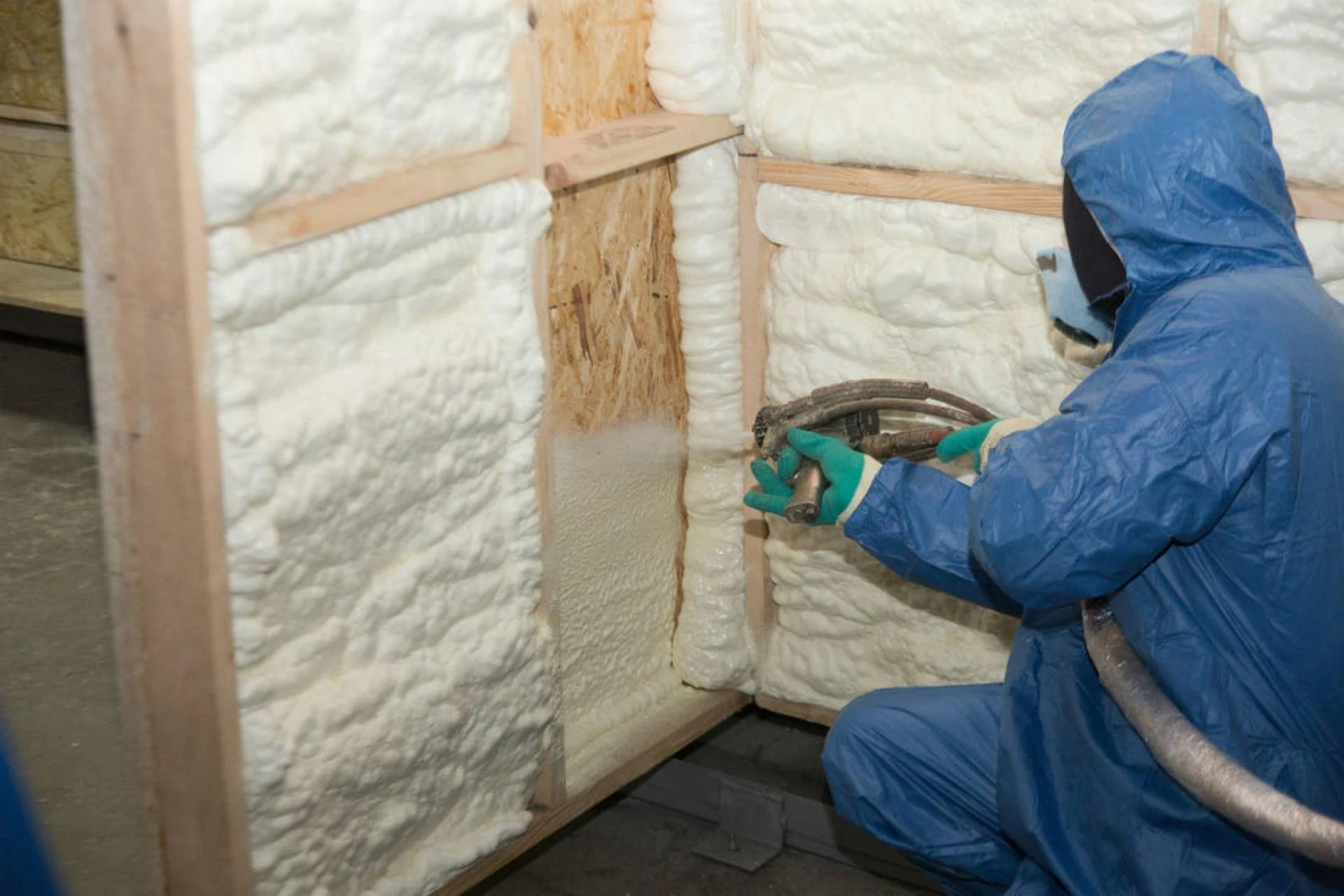

Ice dams are more than a winter nuisance—they’re a serious threat to your roof, attic, and living space. In Canton, OH, where snow and freeze-thaw cycles are common, ice dams can cause leaks, water damage, and expensive repairs. Many homeowners notice water stains, peeling paint, or even warped ceilings after heavy snowfalls. The hidden culprit often isn’t the roof itself but insufficient insulation and ventilation.
This guide explains how to stop ice dams before they start. You’ll learn the real causes, how insulation creates a protective barrier, and the steps property owners can take to maintain both comfort and safety. Each section breaks down a core issue with practical solutions Canton residents can act on.
Stopping Ice Dams with Better Insulation
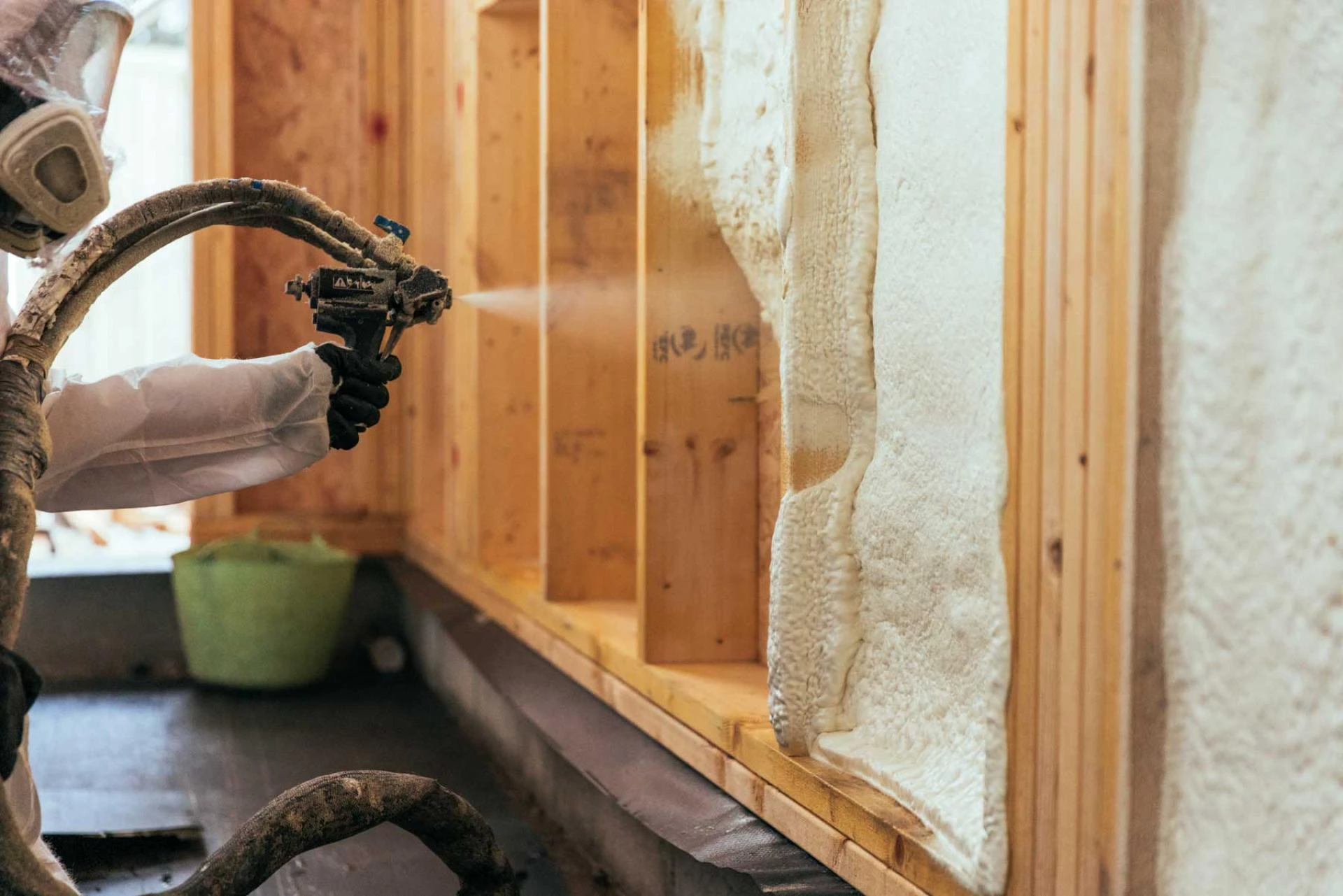
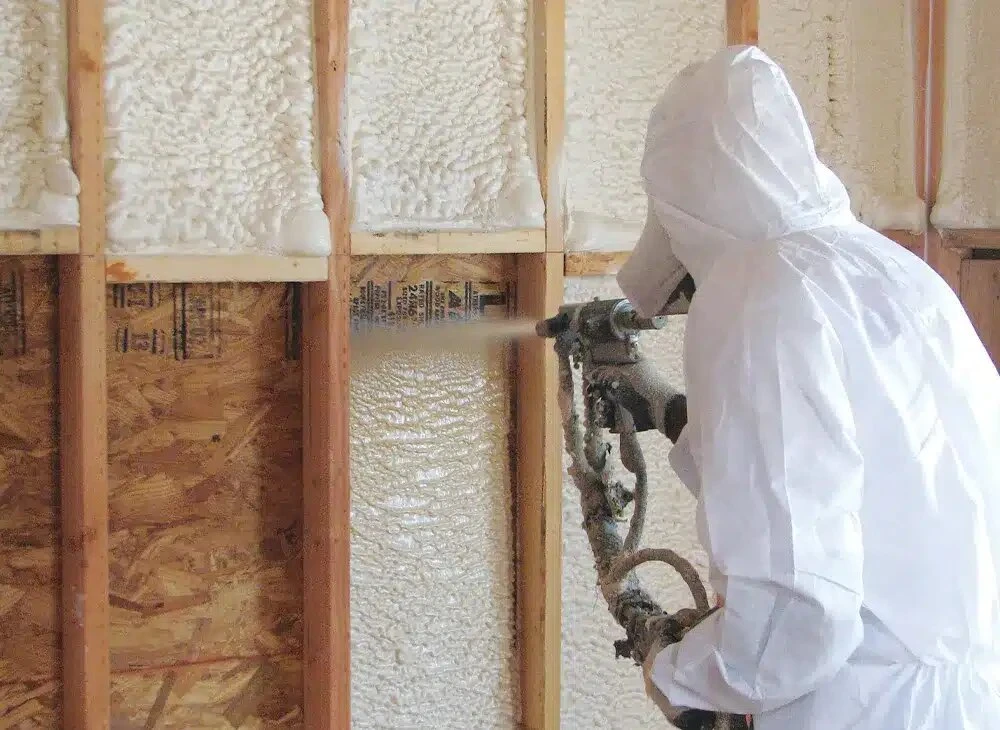
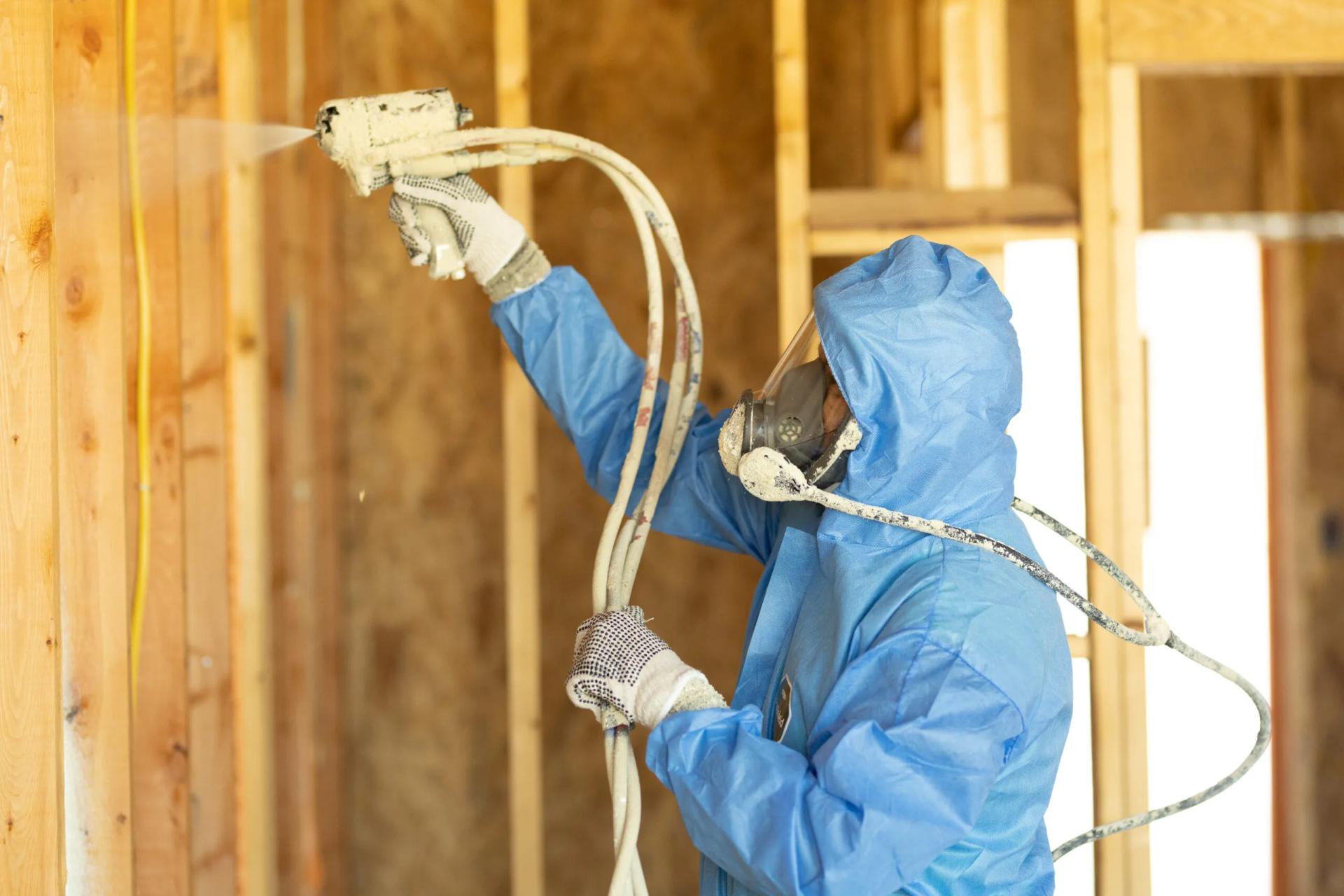
The key to preventing ice dams is maintaining a consistent roof temperature. Uneven heating causes snow to melt, refreeze at the edges, and create ice barriers. Professional spray foam insulation in Canton, OH helps stop this by sealing air leaks and stabilizing attic conditions.
Ohio Valley Spray Foam provides solutions tailored for residential and commercial properties. With options like closed-cell and open-cell spray foam, fiberglass, and hybrid applications, property owners can choose the right fit for their building and budget.
Services Offered
- Residential Spray Foam
- Commercial Spray Foam
- Closed-Cell Spray Foam
- Open-Cell Spray Foam
- Pole Barn Spray Foam
- Agricultural Spray Foam
- Blown-In Fiberglass Insulation
- Residential Insulation
- Commercial Insulation
Why Ice Dams Form on Canton Roofs
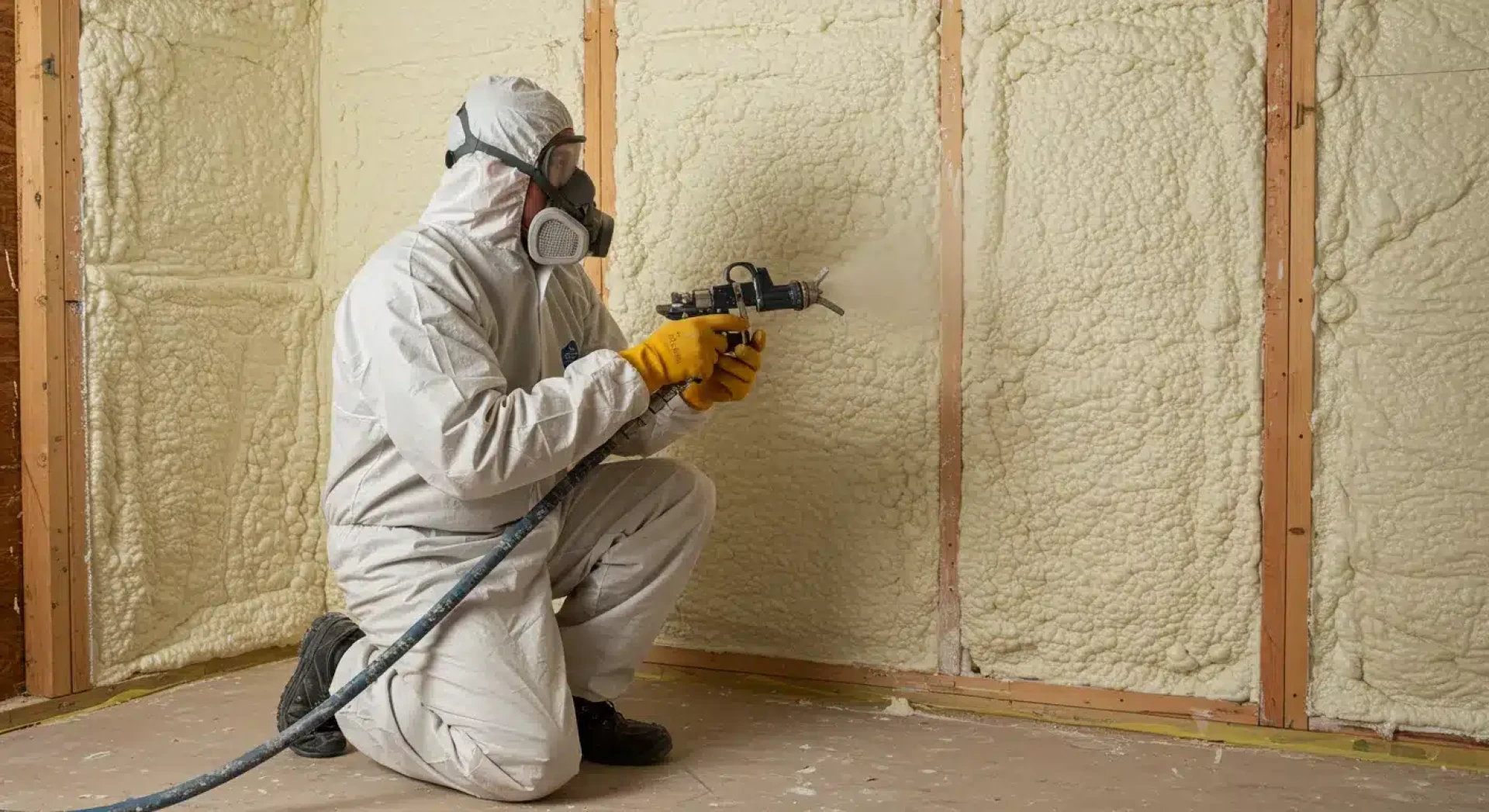
Ice dams form when snow melts on a roof and refreezes at the eaves. Insufficient insulation and ventilation are the biggest triggers. Once an ice dam builds up, water pools behind it and finds its way into the home.
Key Triggers of Ice Dams
- Heat escaping through the attic: Warm air melts snow unevenly.
- Poorly sealed ductwork: Heat leaks into attics instead of staying in living areas.
- Inconsistent insulation layers: Some roof sections warm faster than others.
- Cold overhangs: Edges of roofs stay below freezing and catch the runoff.
How Spray Foam Prevents Ice Dams
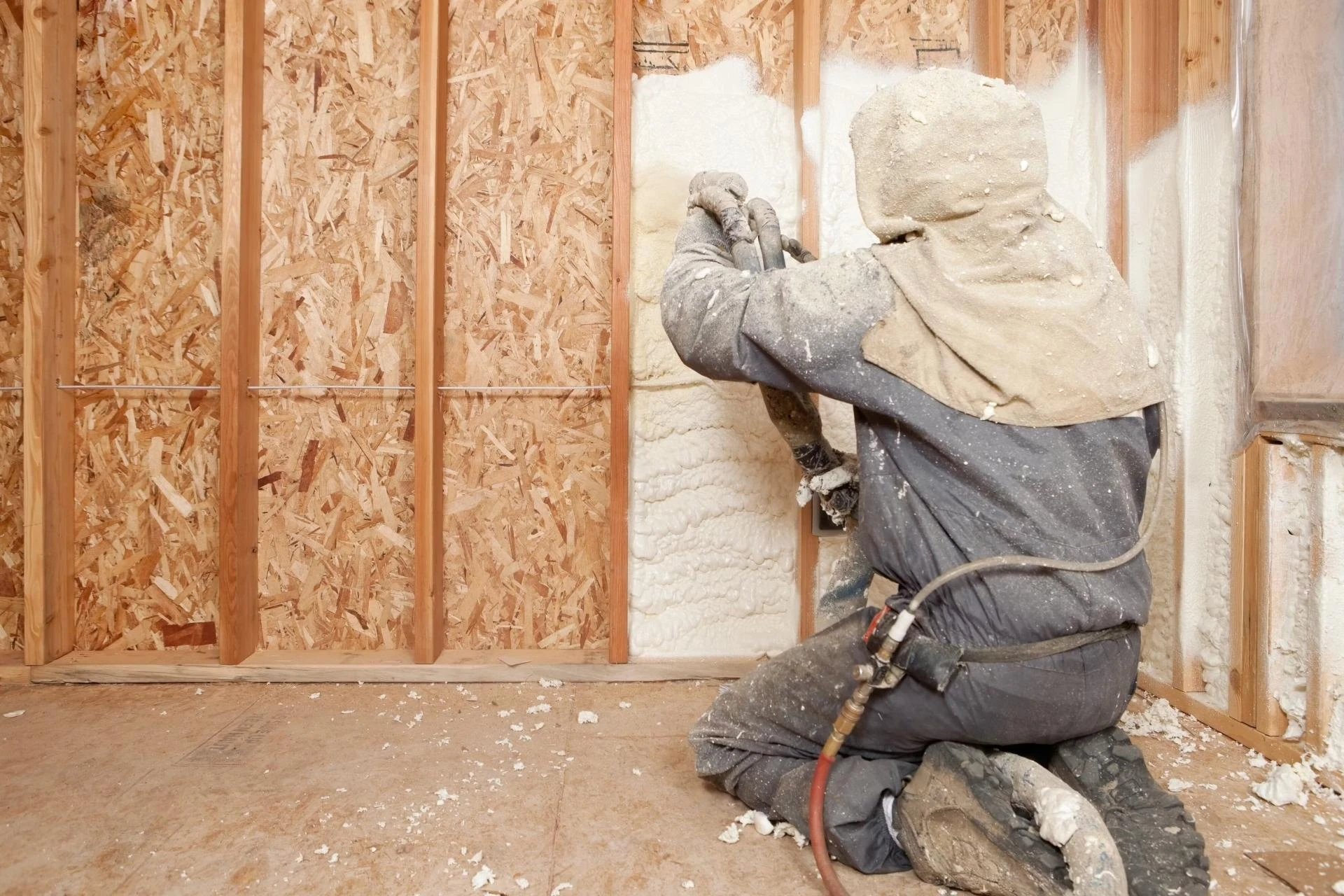
Spray foam insulation acts as both an insulator and air barrier. It blocks warm air from escaping into the attic and keeps roof decks at a uniform temperature. This balance prevents the freeze-thaw cycle that creates ice dams.
Benefits of Spray Foam for Ice Dam Prevention
- Stops air leaks in attic floors and walls
- Maintains consistent indoor temperatures
- Reduces heating costs during Ohio winters
- Extends roof lifespan by reducing water damage risks
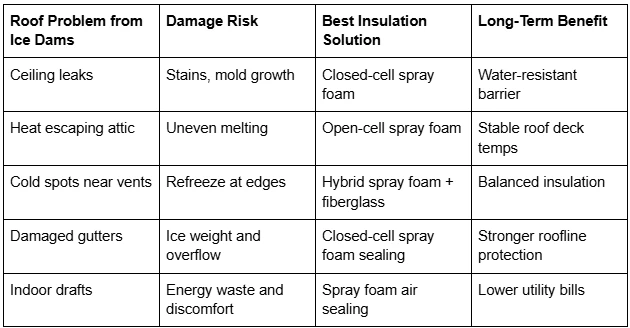
Comparison: Common Roof Problems vs. Insulation Fixes
Secondary Benefits of Proper Insulation
Preventing ice dams is just one advantage. Insulation upgrades also deliver year-round efficiency.
Energy Efficiency Gains
Tight insulation keeps heating systems from overworking during winter and maintains cooler indoor air in summer. Canton homes can expect lower bills and better indoor comfort.
Structural Protection
Insulation adds resilience to a roof system by limiting moisture intrusion, reducing long-term repair costs.
Comfort Improvements
Even temperatures throughout the property eliminate cold spots in bedrooms, offices, or living areas.
Common Questions about Ice Dams
How do I know if my home is at risk of ice dams?
Look for icicles along roof edges, uneven snow melt, or water stains inside the home. These are signs of heat escaping through the attic.
Can ventilation alone stop ice dams?
Ventilation helps, but without insulation, heat will continue leaking into the attic. Combining both gives the strongest defense.
Will spray foam insulation work on older Canton homes?
Yes, spray foam adapts to both new builds and older homes. It fills gaps where traditional insulation may not fit.
What type of spray foam is best for preventing ice dams?
Closed-cell spray foam provides the best moisture resistance, while open-cell offers flexibility. Many homes benefit from a hybrid approach.
Keeping Roofs Protected All Winter
Ice dams don’t have to be a recurring winter problem. Addressing insulation issues in attics, crawl spaces, and rooflines gives homeowners and commercial property managers long-term peace of mind.
Ready to Achieve Energy-Efficient Indoor Performance?
Better insulation means fewer repairs, lower heating costs, and longer roof life. Ohio Valley Spray Foam provides insulation services designed to keep Canton homes and businesses performing at their best.
📞 Call (740) 629-9984 or email [email protected] to schedule an inspection and consultation.
FAQs
Does spray foam insulation reduce heating bills in winter?
Yes. By sealing air leaks and stabilizing attic temperatures, spray foam keeps more heat inside the living space and lowers energy use.
Is spray foam safe for residential attics?
Spray foam is safe when installed by trained insulation professionals. It creates a sealed barrier that supports energy efficiency and comfort.
Can insulation upgrades add value to a home in Canton?
Improved insulation increases property appeal by lowering operating costs and reducing risks like ice dams or moisture damage.
Will insulation stop all roof leaks?
Insulation reduces leaks caused by ice dams, but damaged shingles or flashing may still require repair. It works best as part of a complete building envelope system.
What makes spray foam different from fiberglass?
Unlike fiberglass, spray foam seals air leaks and resists moisture, making it more effective for ice dam prevention in Canton’s climate.
Reviewer: With 11 years in the spray foam field, Aiden Baker reviewed this content and provided advice on building steady growth through practical, honest communication.










Sign in to leave a comment.