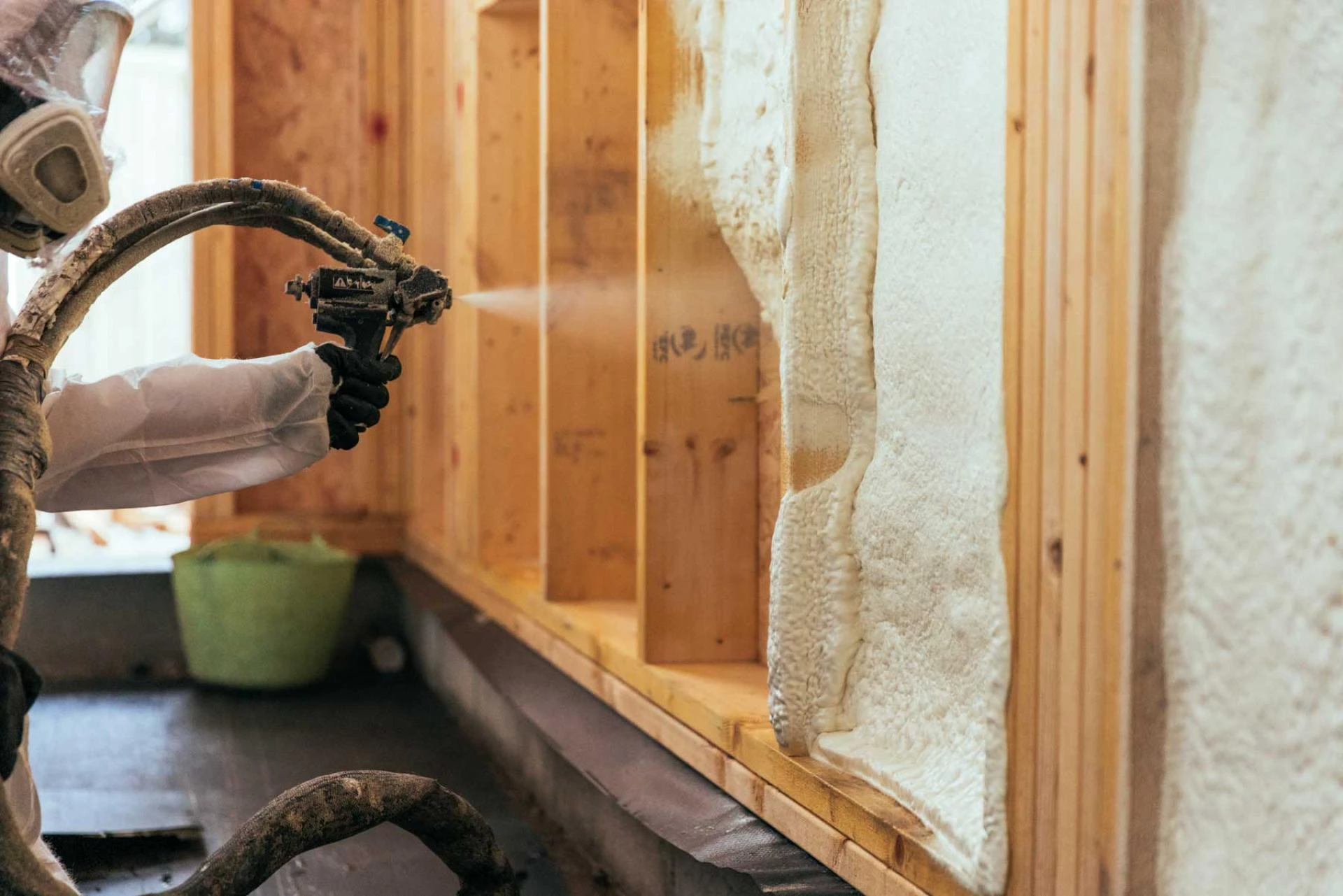

Mold is like that uninvited guest who shows up, eats your food, and refuses to leave — except it’s worse, because it can wreck your walls, cause health problems, and destroy property value. Once it moves in, getting rid of it can be a frustrating (and expensive) nightmare. Many building owners only realize the problem when the smell hits or dark stains start creeping across surfaces. By then, it’s not just a small cleanup — it’s a major repair job.
Closed-cell spray foam insulation doesn’t just keep a building warm or cool. It acts as a moisture barrier, an air seal, and a line of defense against the conditions mold needs to grow. If you’re serious about stopping mold before it ever starts, understanding how this insulation works can save you years of headaches.
Why Mold Growth Happens in the First Place
Mold is always looking for the perfect place to thrive — a mix of moisture, warmth, and organic material. Take away one of these factors, and it loses the battle.
Moisture as the Primary Trigger
Excess moisture is the number one factor that allows mold colonies to develop. Leaky roofs, poor ventilation, and condensation inside walls create hidden damp spots where spores multiply quickly.
Temperature and Humidity Levels
Mold tends to thrive between 60°F and 80°F with high humidity. In poorly insulated spaces, condensation forms on cold surfaces during temperature shifts, feeding mold without anyone noticing.
Fun Fact: Mold spores are everywhere — even in clean, dry air. The real problem starts when the environment gives them what they need to grow.
How Closed-Cell Spray Foam Blocks Mold Conditions
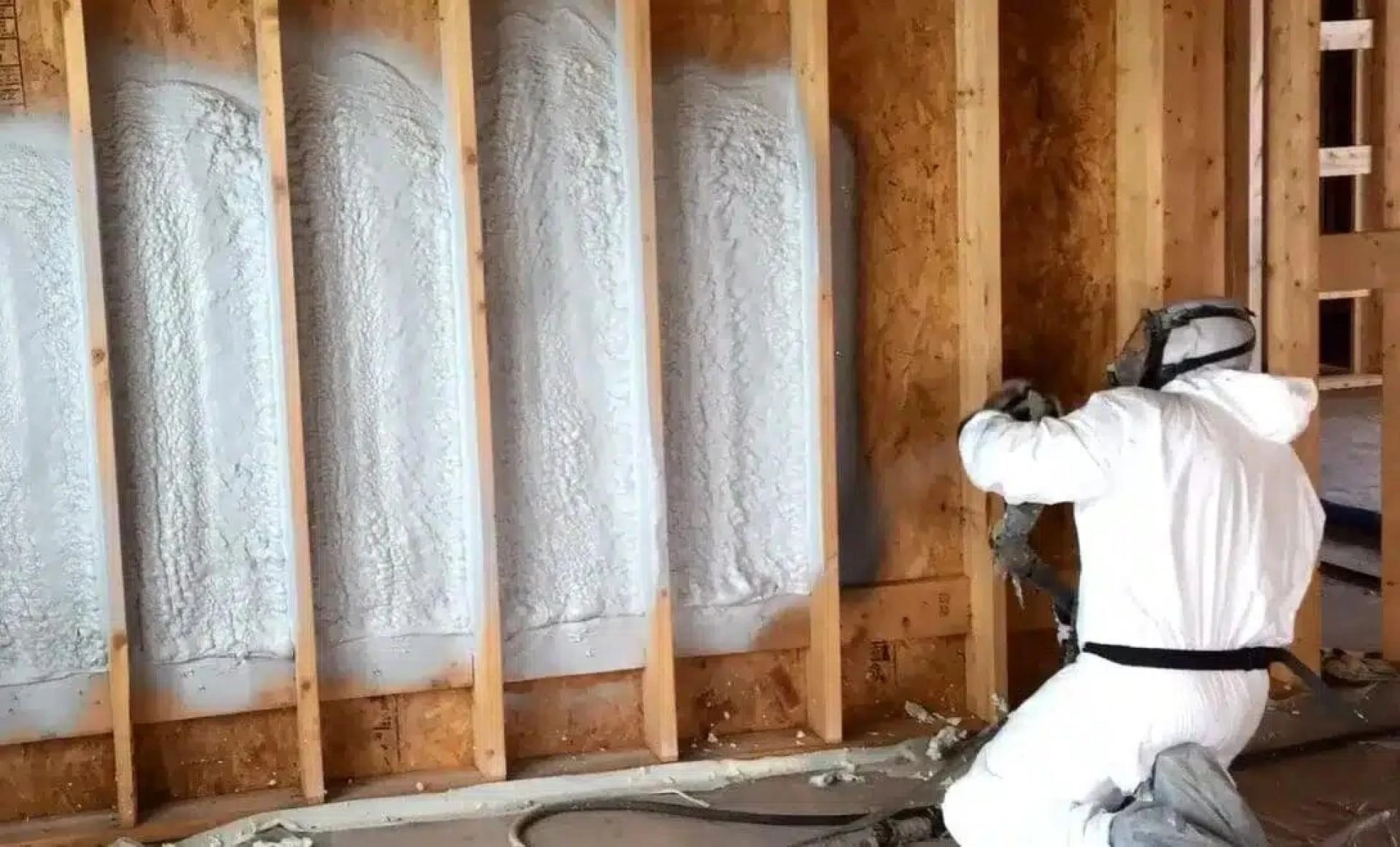
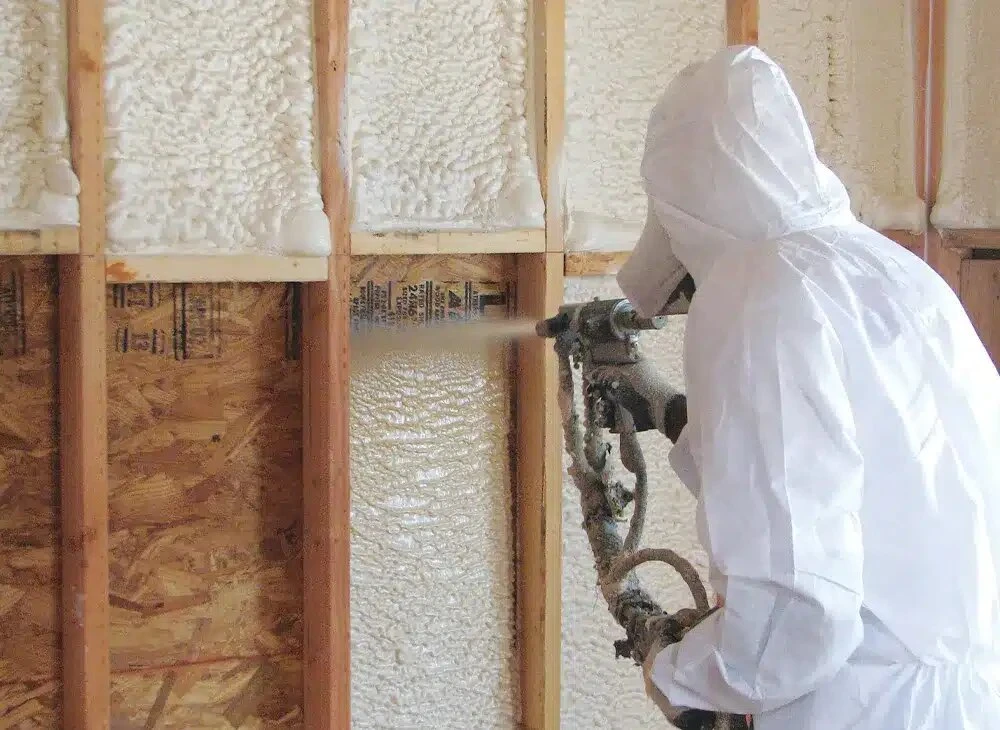
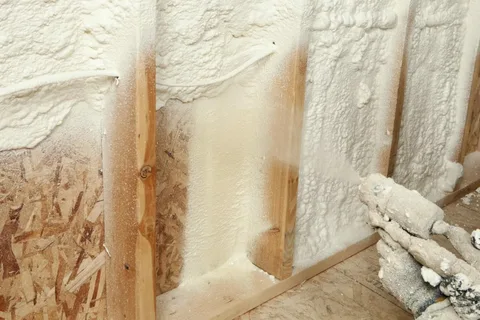
Closed-cell spray foam insulation creates a dense, impermeable barrier that stops moisture from getting where it shouldn’t be.
Moisture Resistance
Unlike fiberglass or open-cell insulation, closed-cell spray foam doesn’t absorb water. Its structure keeps liquid and vapor from passing through, preventing the dampness mold depends on.
Air Sealing to Control Humidity
By sealing gaps and cracks, closed-cell foam stops humid air from entering wall cavities. This control reduces condensation, which is often the hidden source of moisture problems.
Dual Function — Insulation and Barrier
Closed-cell foam insulates against temperature swings while acting as a Class II vapor retarder, making it harder for the conditions that promote mold to exist.
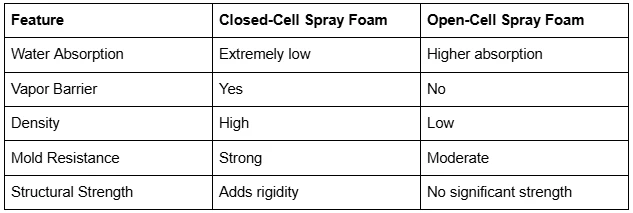
Closed-Cell vs. Open-Cell for Mold Prevention
Not all spray foams perform the same in moisture control.
Why Density Matters
Closed-cell foam is about twice as dense as open-cell, which means fewer gaps for moisture to sneak through. The density also strengthens walls, floors, and ceilings.
Fun Fact: NASA used a form of closed-cell foam for spacecraft insulation — not for mold prevention, but because of its excellent resistance to temperature and environmental extremes.
Long-Term Benefits for Building Health
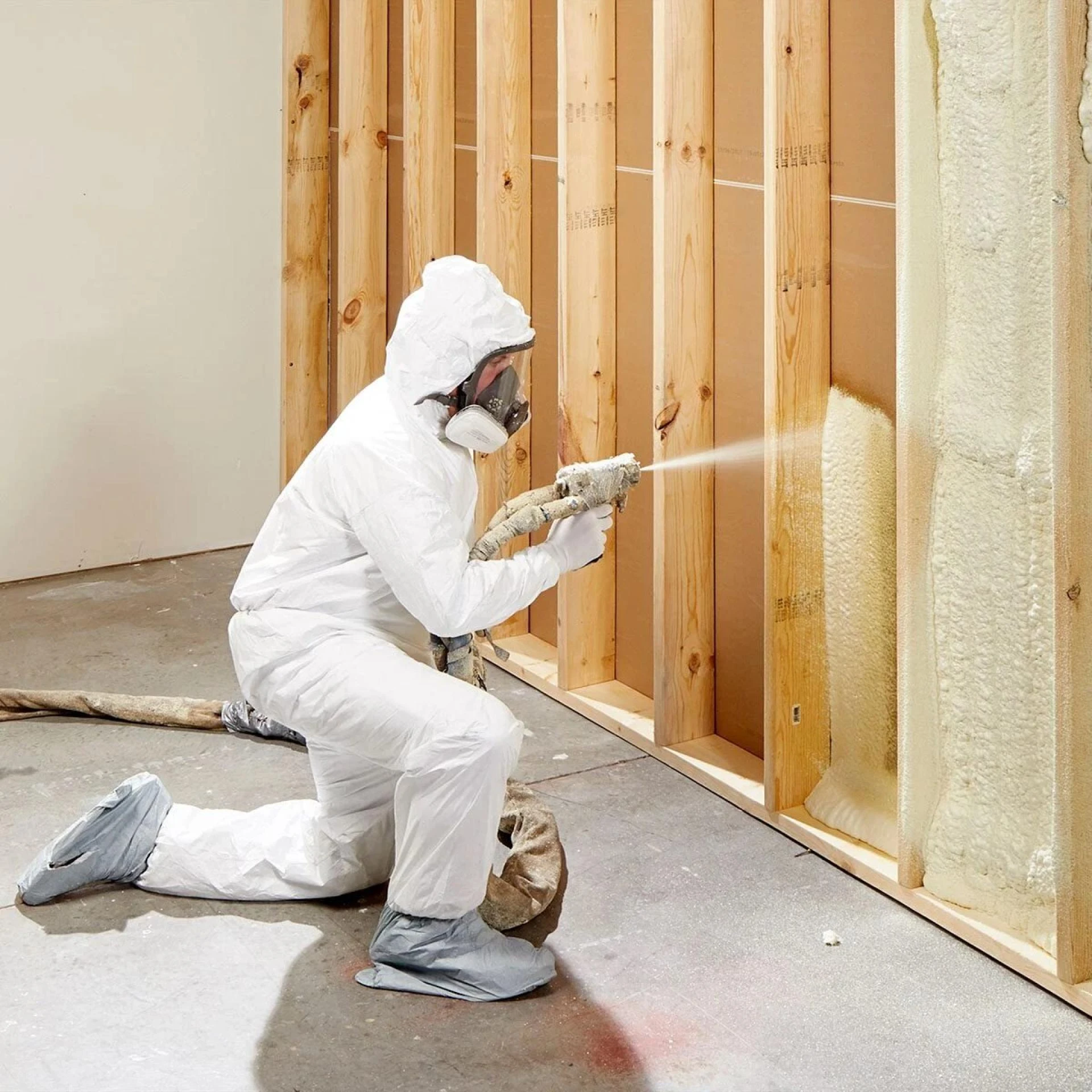
A building’s ability to resist mold comes down to controlling environmental conditions over decades, not just during the first year after installation.
Reduced Maintenance and Repairs
By eliminating moisture problems, closed-cell foam helps avoid costly mold remediation, drywall replacement, and repainting over the years.
Improved Indoor Air Quality
Less mold means fewer airborne spores and allergens. This can have a big impact on people who spend hours inside a building every day.
Energy Efficiency Bonus
Better temperature control means HVAC systems don’t have to work as hard, which also helps control humidity.
Common Question: Does Closed-Cell Spray Foam Alone Stop Mold?
Closed-cell spray foam is a major factor in mold prevention, but it’s not the entire solution. A building still needs proper ventilation, controlled indoor humidity, and a sound roof and plumbing system. Spray foam makes mold prevention far easier by removing one of mold’s critical needs: moisture in hidden spaces.
Conclusion
Mold prevention isn’t about reacting after you see a problem — it’s about making your building an environment where mold simply can’t survive. Professional spray foam insulation plays a huge role in that strategy by sealing out moisture, blocking humid air, and stabilizing temperatures inside walls. When installed correctly, it provides both insulation and long-term defense against the very conditions mold needs. That means cleaner air, fewer repairs, and a healthier building overall. It’s not a quick fix — it’s a building health investment that keeps paying off.
FAQs
Can closed-cell spray foam stop existing mold?
No. It prevents new growth by removing moisture sources, but any existing mold must be removed before installation.
How long does closed-cell spray foam last in mold prevention?
It can last decades without losing its moisture resistance, provided the building structure remains intact.
Is closed-cell spray foam safe for indoor environments?
Once cured, it’s inert and doesn’t emit harmful vapors, making it safe for occupied spaces.
Does closed-cell foam work in humid climates?
Yes. In fact, its moisture-blocking properties make it particularly effective in areas with high humidity.
Will spray foam prevent condensation in walls?
Yes. By creating a complete air seal, it stops humid air from reaching cooler wall surfaces where condensation would otherwise form.
Reviewer: With 11 years in the spray foam field, Aiden Baker reviewed this content and provided advice on building steady growth through practical, honest communication.




























Sign in to leave a comment.