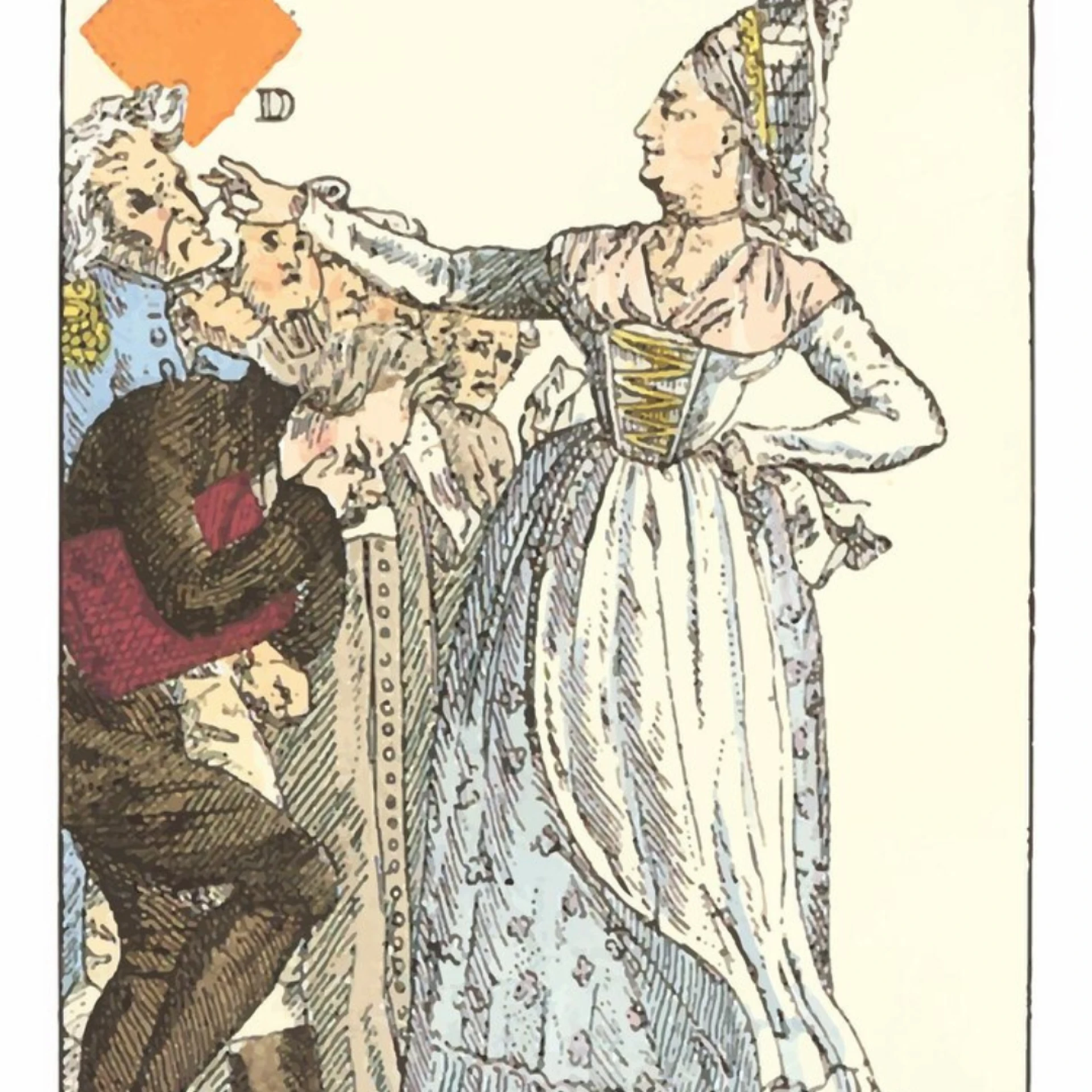

Postcards are more than just old pieces of paper, they are a part of history. Vintage postcards represent what life, humor, and style looked like many years ago. However, some of the postcards tell secret stories, especially about gay related and cross-dressing culture.
These cards usually use humor or hidden meanings that show men dressed as women. Also, it shows same-gender friendships that went beyond what was considered normal. Moreover, at a time when being gay was not accepted openly, postcards offered a way to express identity. Today, collectors and historians are discovering this hidden side of postcard history.
Let’s Find The Hidden History of Gay and Cross-Dressing Culture
1. Humor with Hidden Messages
In many vintage 1900s postcards, cross-dressing was always shown as a joke. Here, men wore dresses and posed funnily. However, this humor also allowed a safe way to show different gender roles for some people. Along with jokes, these cards sometimes carried deeper meanings that allowed people to express themselves.
2. Friendship or More? Male Bonding in Postcards
Old postcards typically show close friendships between men. They hugged, took each other's hands, or stood close to each other. At that time, People did not discuss being gay at the time, so such photos were not considered romantic. Nowadays, many people view them as an indicator of same-sex affection or love. These cards provide us with hints on how individuals expressed their feelings in secret.
3. Vaudeville and Stage Cross-Dressing
Postcards of performers were also extremely popular back in the early 20th century. Some actors and dancers wore women's attire, especially in vaudeville performances. These performers were mostly admired, although cross-dressing was not acceptable in daily life. Postcards of such performances have been collected and circulated, indicating how cross-dressing was a part of pop culture.
4. Secret Code and Camp Style
Some postcards used exaggerated and playful aesthetics, including dramatic fashion, sassy remarks, or vibrant artwork. These appealed to gay men back then, even though others may have not caught on. There was a secret code, of sorts, if you belonged to the LGBTQ+ community, you may get the coded messages. This aesthetic provided individuals with a sense of belonging and visibility.
5. Collecting Today- A New Look at the Past
These days, vintage gay-themed postcards or cross-dressing postcards are hot. They are being recognized by museums and collectors as being of cultural significance. They are not merely humorous or strange. They are valuable accounts of how individuals represented identity, love, and artistry while it was unsafe to do so openly.
Conclusion
The history of gay and cross-dressing culture in postcards was once hidden, but it is being brought into the light by Oldpostcards. These postcards are more than just collectibles, they are Topical, Subject Matter, Postcards that reveal personal stories from the past.
Whether you are a history lover, love to collect postcards, or are just curious, exploring these unique postcards provides a deeper look at LGBTQ+ life and art through the ages. To explore more such postcards, visit the Oldpostcards website now!
























Sign in to leave a comment.