
Taekwondo is more than just a martial art; it is a centuries-old discipline that embodies the harmonious union of physical strength, mental focus, and cultural tradition. With roots deeply entrenched in Korean history, Taekwondo has become a global phenomenon, attracting practitioners from all walks of life. Its emphasis on self-defense, discipline, and respect makes it a timeless practice that transcends generations. One of the schools deeply committed to preserving and spreading the essence of this martial art is Grandmaster Park’s Taekwondo.
The Origins of Taekwondo
The history of Taekwondo dates back thousands of years, originating in Korea during the Three Kingdoms period. Early forms of martial arts, such as Taekkyeon, were practiced by Korean warriors to develop strength and agility in combat. Over time, these techniques evolved and were influenced by various cultural and historical shifts, eventually forming the foundation of modern Taekwondo.
The name "Taekwondo" itself holds profound meaning. "Tae" represents the foot or kicking, "Kwon" symbolizes the fist or striking, and "Do" refers to the way or the path. Together, they reflect a philosophy that integrates physical combat with the pursuit of personal growth and ethical living. This philosophy is at the heart of Taekwondo, shaping it into a discipline that goes beyond physical prowess.
The Philosophy Behind Taekwondo
One of the defining aspects of Taekwondo is its philosophical framework. At its core, Taekwondo teaches practitioners to strive for personal betterment, develop inner peace, and foster respect for others. The guiding principles of Taekwondo include courtesy, integrity, perseverance, self-control, and an indomitable spirit. These values are not just confined to the dojang (training hall) but are meant to be carried into everyday life.
Through rigorous training, individuals learn to overcome physical and mental challenges, strengthening their resilience and self-confidence. Taekwondo also emphasizes humility, encouraging practitioners to remain grounded even as they achieve mastery in the art. This blend of physical skill and moral development makes Taekwondo a holistic practice that benefits the body, mind, and soul.
The Global Spread of Taekwondo
From its origins in Korea, Taekwondo has grown to become one of the most widely practiced martial arts in the world. Its inclusion in the Olympic Games in 2000 further cemented its status as a global sport. Today, millions of people across the globe, from children to adults, participate in Taekwondo for its numerous physical and mental benefits.
The global popularity of Taekwondo can be attributed to its accessibility and adaptability. Unlike some other martial arts, Taekwondo is suitable for people of all ages and fitness levels. Its structured curriculum and emphasis on incremental progress allow practitioners to develop at their own pace. Whether someone is looking to improve their physical fitness, learn self-defense, or cultivate discipline, Taekwondo offers something for everyone.
The Role of Grandmasters in Preserving Tradition
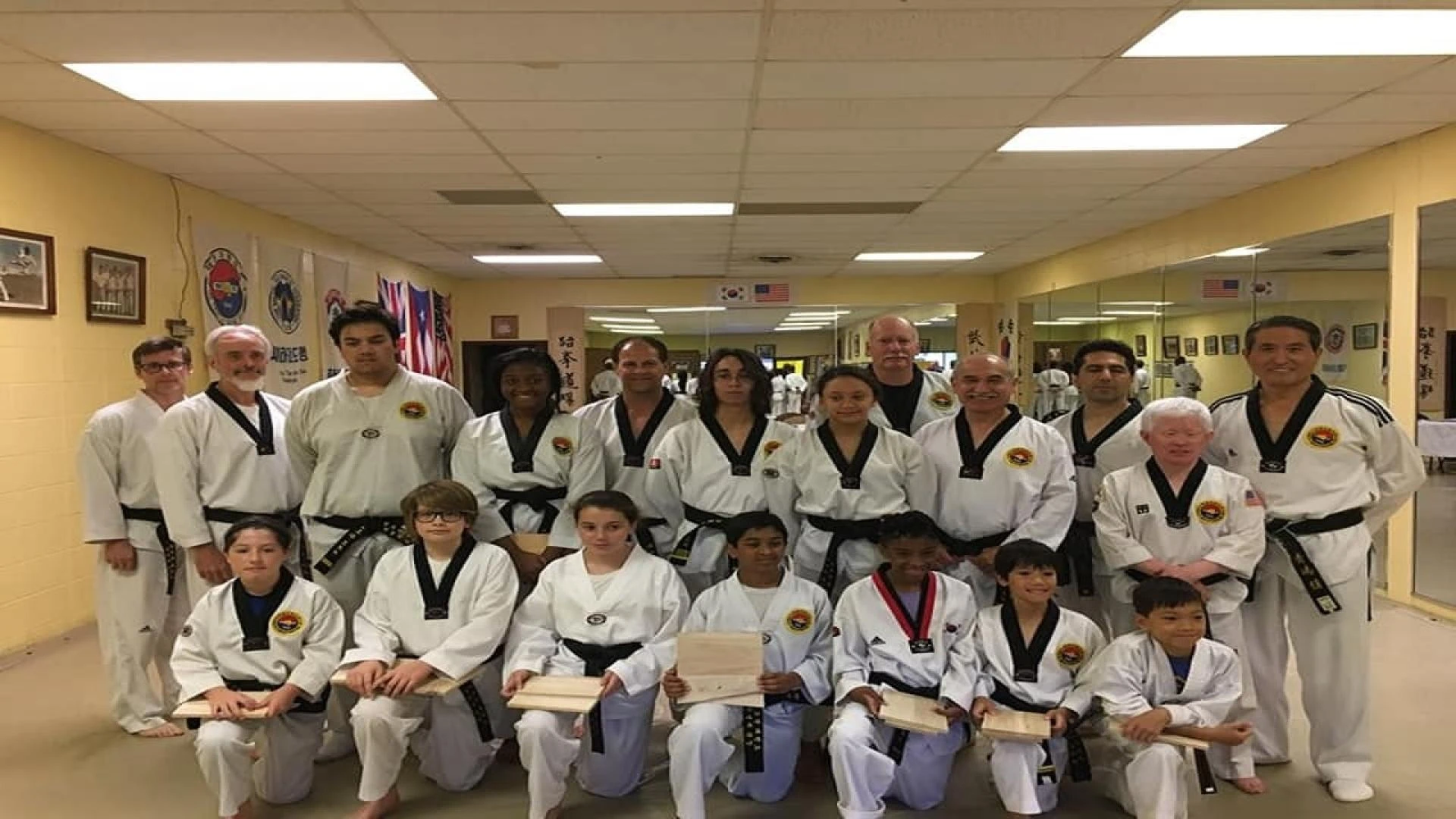
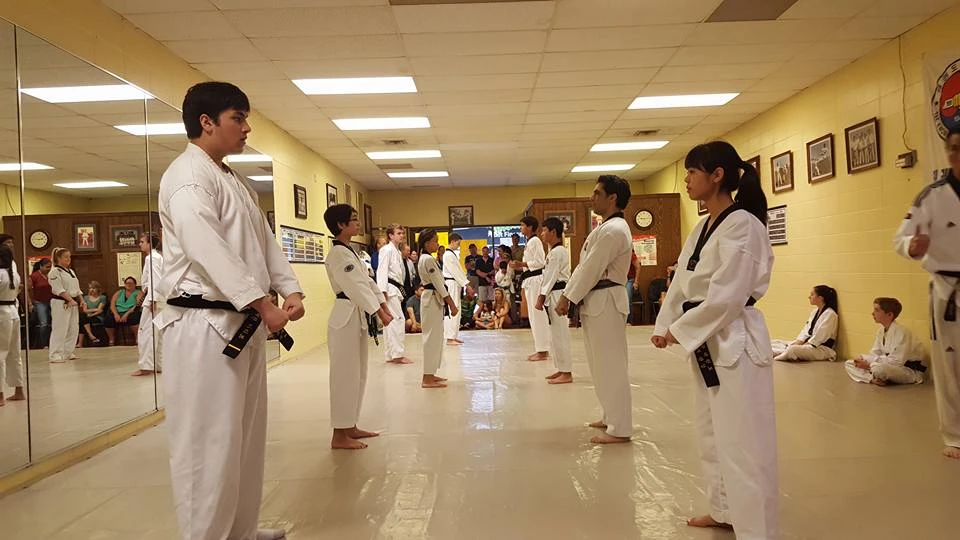
Grandmasters play a crucial role in ensuring the authenticity and integrity of Taekwondo. Their deep understanding of the art, honed over decades of practice and teaching, enables them to pass down its traditions and techniques to future generations. Grandmaster Park’s Taekwondo is a shining example of this dedication, offering a space where individuals can immerse themselves in the true essence of the martial art.
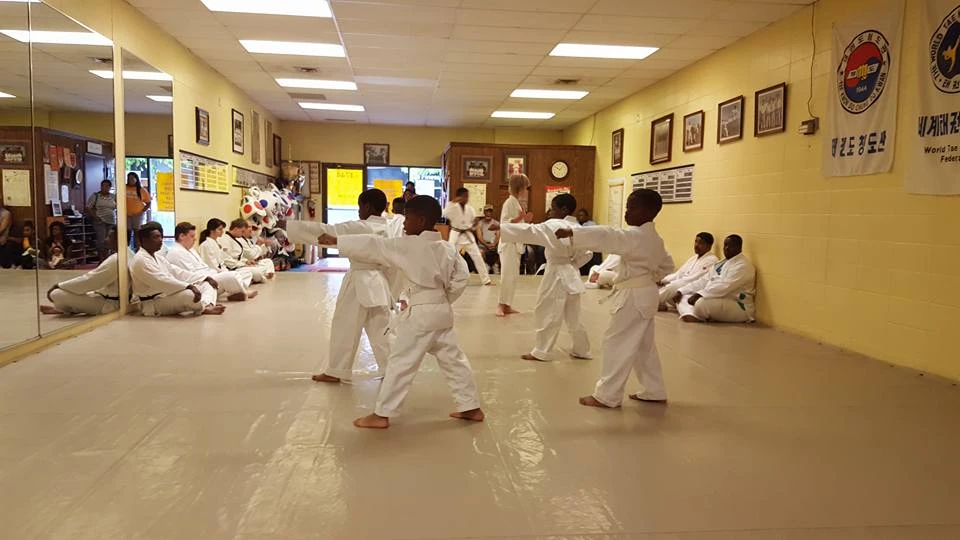
Under the guidance of skilled instructors, students at such institutions not only learn the physical techniques of Taekwondo but also gain a deeper appreciation for its cultural and philosophical roots. The structured training programs often include lessons on the history and principles of Taekwondo, allowing students to connect with the art on a more profound level.
The Physical and Mental Benefits of Taekwondo
Taekwondo offers a wide range of physical and mental benefits, making it an ideal activity for people seeking a well-rounded approach to health and fitness.
- Physical Fitness: Taekwondo training involves a combination of aerobic and anaerobic exercises, improving cardiovascular health, strength, flexibility, and coordination. The high-energy nature of the practice also helps in burning calories and maintaining a healthy weight.
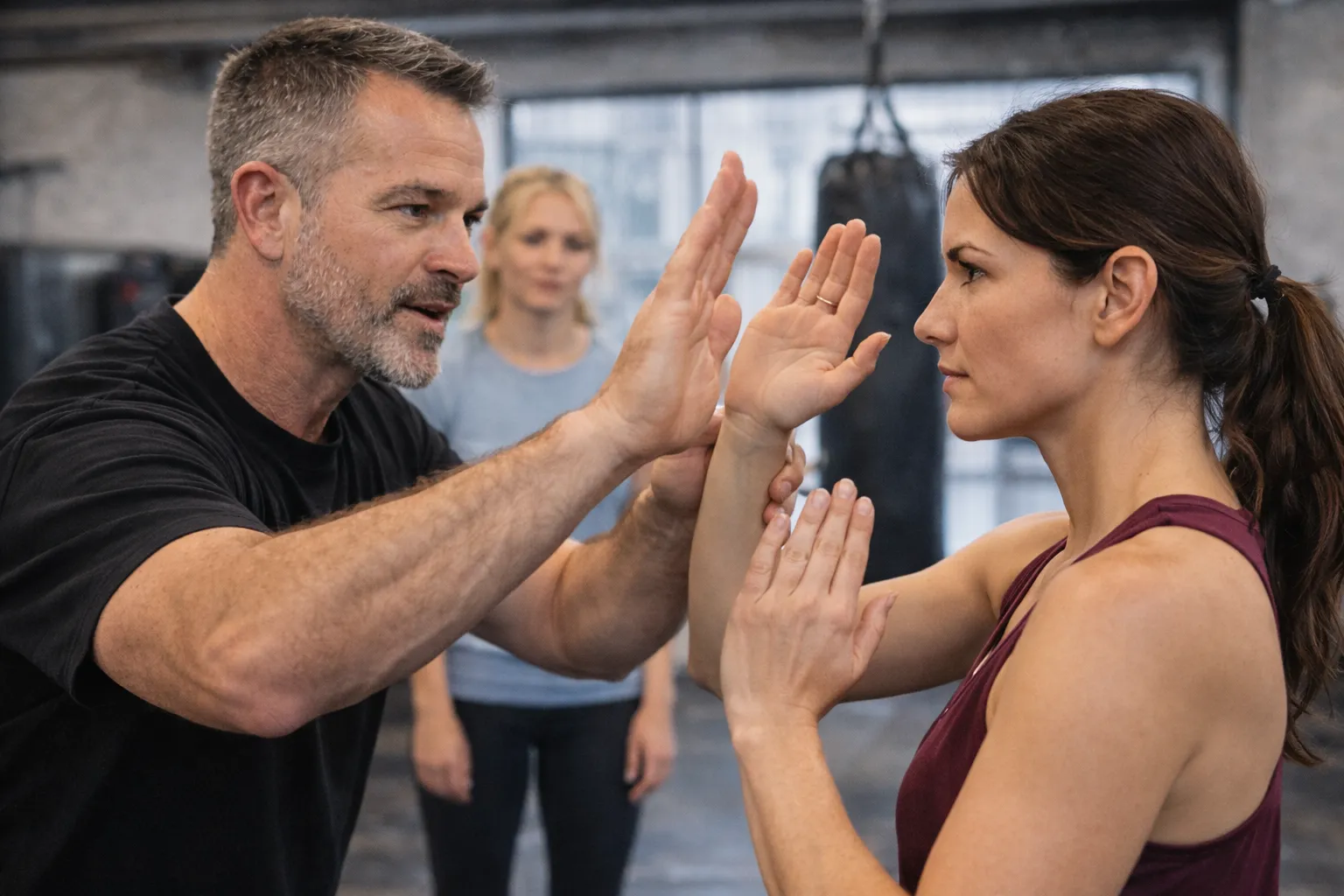
- Self-Defense Skills: One of the primary goals of Taekwondo is to equip practitioners with effective self-defense techniques. The training focuses on mastering powerful kicks, precise strikes, and efficient blocking methods, which can be invaluable in real-life situations.
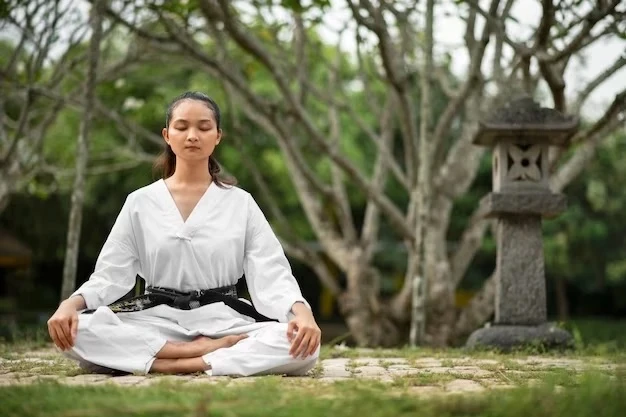
- Stress Relief: The mental focus required during Taekwondo training serves as a form of meditation, helping practitioners relieve stress and achieve mental clarity. The physical exertion also releases endorphins, promoting a sense of well-being.
- Discipline and Focus: The structured environment of Taekwondo classes instills discipline and encourages individuals to set and achieve personal goals. This discipline often extends beyond the dojang, positively impacting other areas of life, such as academics or professional careers.
- Confidence and Self-Esteem: As practitioners progress through the ranks and master new techniques, they gain a sense of accomplishment and confidence. The supportive community within Taekwondo schools further reinforces a positive self-image.
Taekwondo as a Lifelong Journey
One of the unique aspects of Taekwondo is its adaptability as a lifelong practice. Unlike some physical activities that may become challenging with age, Taekwondo can be modified to suit an individual’s capabilities at any stage of life.
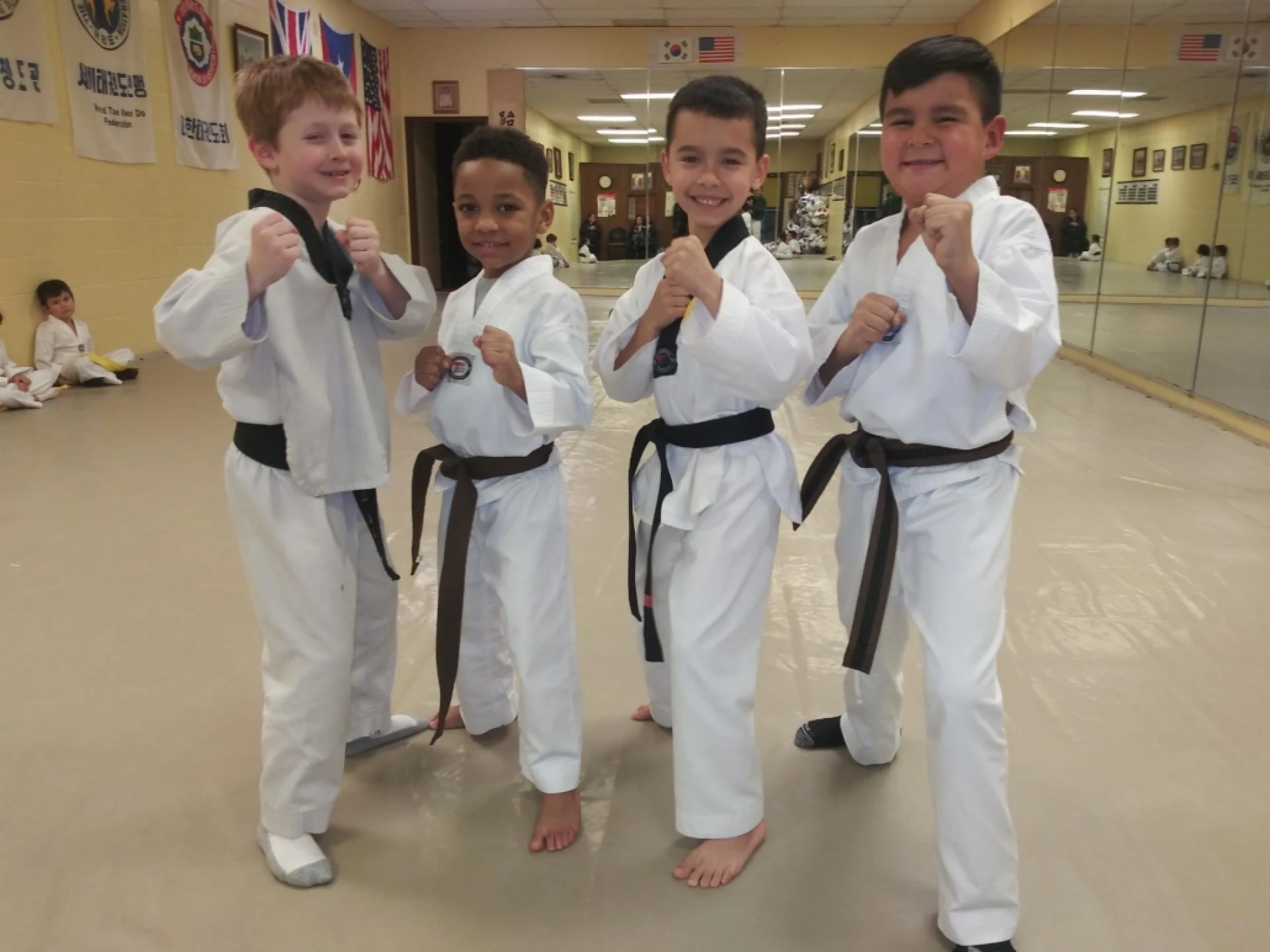
For children, Taekwondo provides a constructive outlet for energy, teaches respect and discipline, and builds a strong foundation for physical fitness. For adults, it offers an opportunity to improve health, learn self-defense, and manage stress. Seniors can also benefit from Taekwondo, as it helps maintain mobility, balance, and overall well-being.
The journey of Taekwondo does not end with earning a black belt. In fact, achieving this milestone is often considered the beginning of a deeper exploration of the art. Advanced practitioners continue to refine their techniques, study the philosophical aspects of Taekwondo, and contribute to the community by teaching and mentoring others.
Taekwondo’s Impact Beyond the Dojang
Taekwondo is not just a physical activity; it is a way of life that instills values and skills applicable in all aspects of life. The discipline, focus, and perseverance cultivated through Taekwondo training can be beneficial in personal relationships, academic pursuits, and professional endeavors.
Moreover, Taekwondo fosters a sense of community and camaraderie among practitioners. Training alongside others who share the same passion creates bonds that often extend beyond the dojang. The mutual respect and support within the Taekwondo community make it a welcoming and inclusive space for people from diverse backgrounds.
Preserving the Legacy of Taekwondo
As Taekwondo continues to evolve and gain popularity worldwide, it is essential to preserve its traditional roots and values. Organizations and schools dedicated to authentic training, like Grandmaster Park’s Taekwondo, play a vital role in upholding the integrity of the art. By staying true to its principles, they ensure that Taekwondo remains a meaningful and transformative practice for future generations.
Taekwondo is more than a martial art; it is a discipline that enriches the lives of its practitioners in countless ways. Its physical, mental, and philosophical benefits make it a timeless practice that transcends cultural and geographical boundaries. Through the efforts of dedicated schools and organizations, such as Chung Do Kwan, Inc., the legacy of Taekwondo continues to thrive, inspiring individuals to embark on a journey of self-discovery, growth, and resilience.











Sign in to leave a comment.