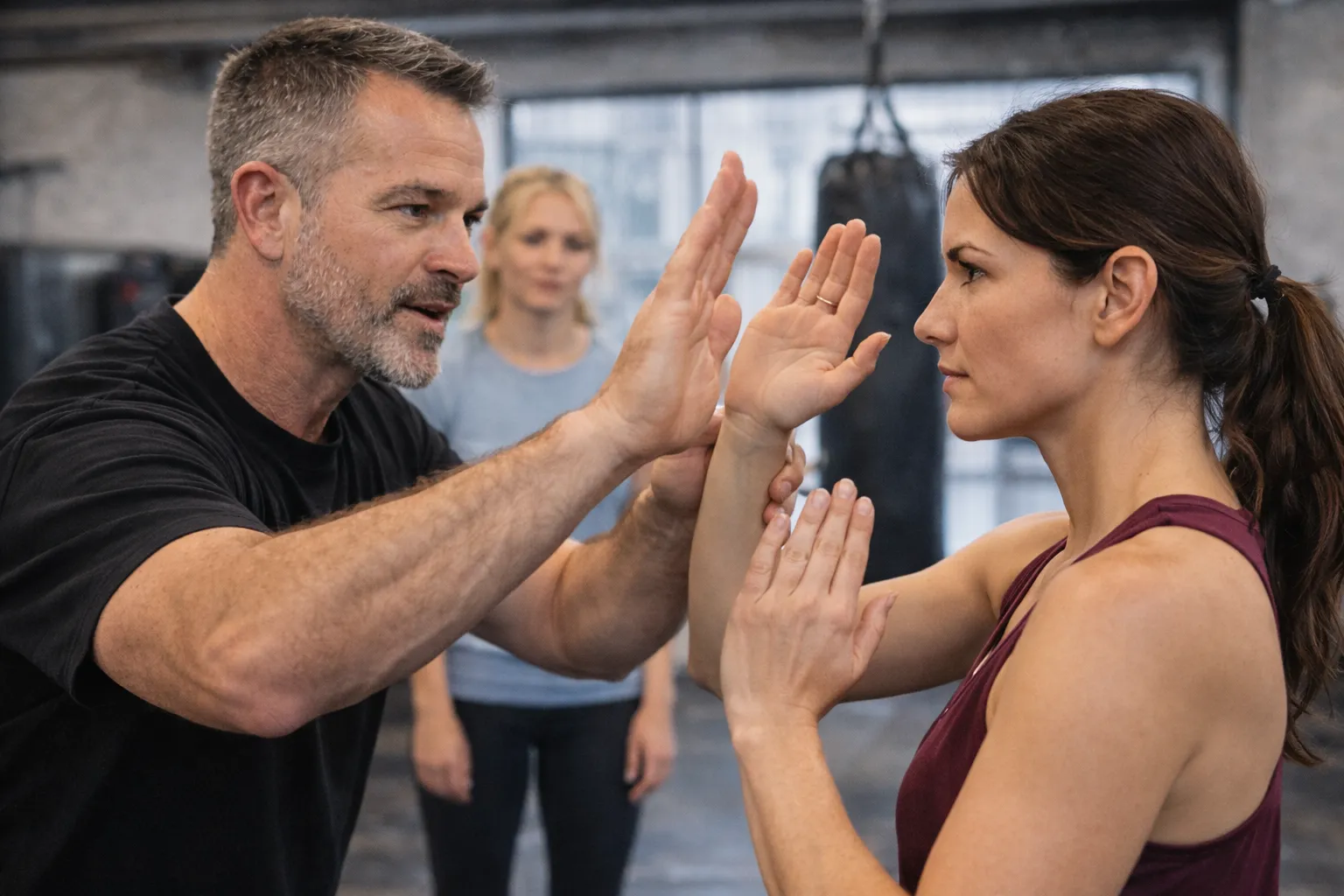

The primary goal of self defense training is not just learning techniques, but preparing for the uncertainty that comes with real-world environments. In everyday life, situations change rapidly, and timing is critical. NYC, with its dense crowds, unpredictable interactions, and constant movement, is the perfect place to develop these skills. Instructors focus on practical training that teaches students to react to real-life situations rather than controlled drills.
Self defense classes in NYC provide a platform for students to experience the chaos and unpredictability of daily life. This is what sets them apart from generic training that only prepares you for idealized scenarios. It’s not about fighting—it’s about managing real situations in dynamic environments, where you must decide quickly and effectively.
How situations develop unexpectedly in real environments
Unpredictable environments are a part of daily life in New York City. A seemingly normal interaction can turn awkward or uncomfortable at any moment. On the subway, for example, a casual conversation can quickly shift when a person stands too close or continues asking personal questions. These situations are rarely flagged as dangerous from the start, but they develop slowly as the behavior becomes more intense and persistent.
The issue isn’t just recognizing danger—it’s being able to identify when discomfort begins to develop. Most people hesitate because they do not act on discomfort until it becomes obvious. The ability to recognize the early signs of a shift in behavior—whether it’s positioning, attention, or the continuation of an interaction—is one of the key skills developed in self defense classes.
Recognizing early warning signs through situational awareness
In a real-world situation, awareness is not just about paying attention to what’s happening in front of you—it’s about recognizing the subtle changes that occur in your environment.
In NYC, you’re constantly surrounded by people moving, talking, and interacting. This noise can often mask the small shifts in behavior that signal potential risk. In self defense training, you learn to tune into these changes. Whether it’s someone adjusting their position to stay in your personal space or repeating a question after you've answered, these small actions create a pattern that signals intent. By recognizing these signs early, you have more time to decide on your next step.
This training focuses on making the shift from reacting too late to responding earlier. Recognizing behavioral patterns before they become clear threats is the cornerstone of self defense.
How boundary setting creates clarity
Boundary setting is one of the simplest, yet most powerful tools in self defense training. It’s not just about keeping people away physically; it’s about maintaining control of the situation by asserting your space.
In an environment like NYC, where personal space is constantly being encroached upon, being able to set and maintain boundaries can prevent escalation. When someone stands too close, you’re taught to adjust your position or step back. This immediate action sends a message that the interaction is not welcome. It’s not an aggressive response, but a controlled one that helps manage the situation before it develops into something more uncomfortable or dangerous.
This ability to set boundaries is a key skill that is practiced extensively in structured training. Students learn not just what to do, but when to do it, creating a fluid and natural response to changing environments.
How timing is everything in decision making
A critical part of self defense training is learning how to make decisions quickly. In real-life situations, hesitation can be costly. The longer you wait to act, the more control you lose.
In a crowded space like a subway or a busy street, timing is everything. When you’re unsure about a situation, the first instinct might be to wait for more clarity. However, waiting too long may give someone the chance to move closer or escalate the situation.
Training teaches students to recognize patterns early, so they can respond sooner rather than later. Whether it’s stepping away from a situation or making eye contact with an authority figure, these actions can shift the dynamics of the situation before it becomes problematic.
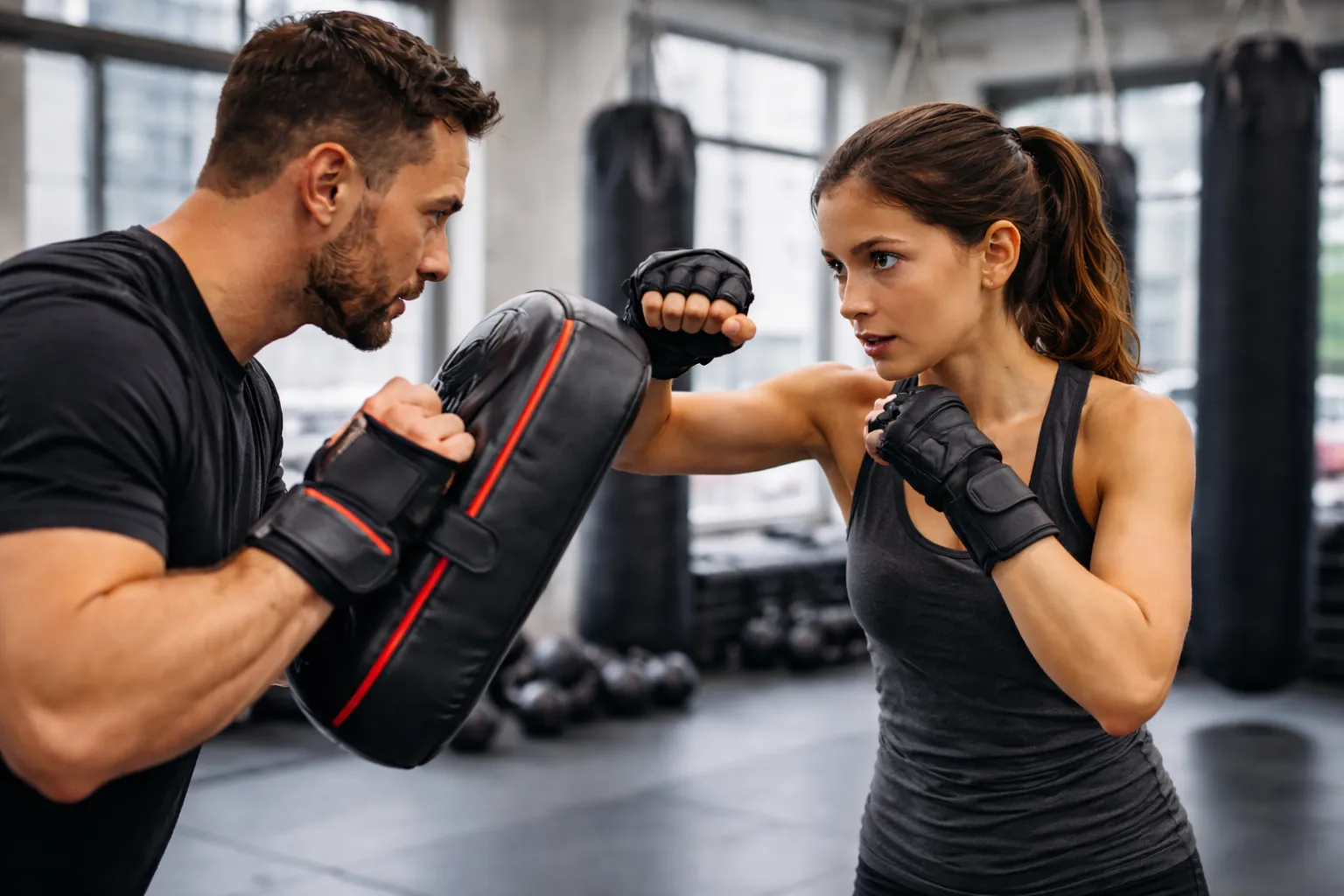
Programs such as Krav Maga training teach students to act based on observed patterns, reducing hesitation and increasing the effectiveness of their response.
Real-life application in NYC environments
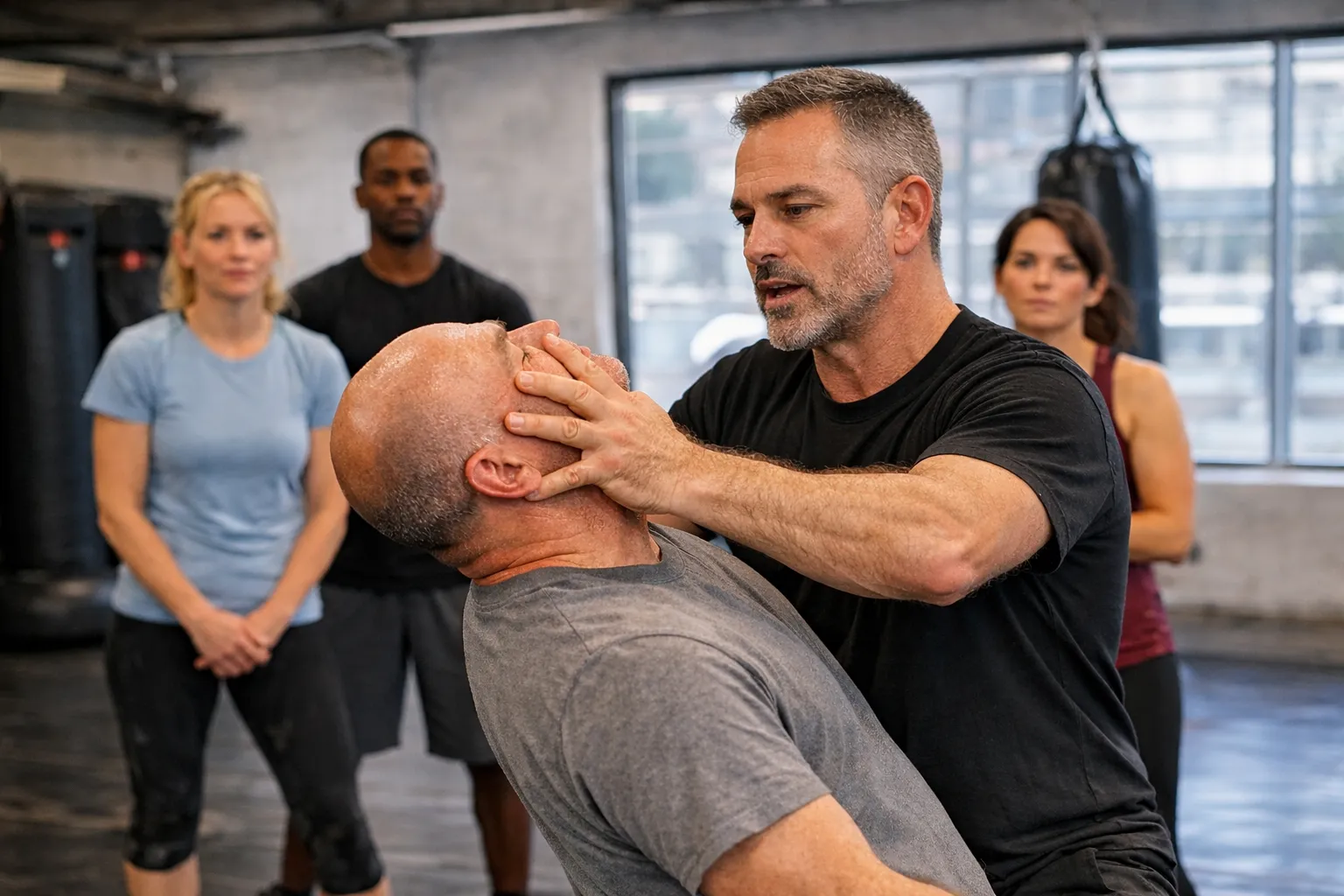
Self defense training is practical because it mirrors real-life conditions. In NYC, unpredictable interactions are part of the daily rhythm. Whether it's navigating a crowded subway platform or handling a conversation that feels uncomfortable, the skills learned in Krav Maga classes apply directly to these situations.
For example, in a crowded subway, a person might slowly position themselves closer, but instead of waiting to feel uncomfortable, students trained in Krav Maga would notice the behavior and act immediately—either by stepping away or seeking help. This kind of awareness and response is not developed overnight, but through consistent practice in realistic scenarios.
Training in environments like those in NYC makes it possible to respond with control and confidence, even when the situation is unpredictable.
How Krav Maga training builds confidence in real situations
The real strength of Krav Maga is in its simplicity and adaptability. It doesn’t rely on memorizing a set of moves, but rather on understanding the situation and responding based on patterns and timing.
Self defense classes in NYC are structured to introduce students to unpredictable situations, whether that’s working with a partner, dealing with a simulated situation, or managing pressure. Over time, students gain confidence in their ability to recognize early warning signs, set boundaries, and respond under pressure.
This training builds real confidence, not just in your ability to perform techniques, but in your ability to stay calm and make decisions when it matters most.
FAQs
Why does Krav Maga training in NYC focus on real-life situations?
Because NYC is a dynamic environment, and self defense training needs to reflect that by preparing students for the unpredictable.
How does boundary setting help in self defense?
By asserting space early, you can defuse a situation before it escalates, maintaining control of the interaction.
What is the difference between self-defense and fighting?
Self-defense is about managing a situation before it becomes a fight, while fighting is often reactive and occurs once the situation has already escalated.
How does Krav Maga improve decision-making under pressure?
By introducing situations where students need to make quick decisions, Krav Maga training teaches them to act based on patterns rather than hesitation.
Can these skills be used outside of NYC?
Yes, the same skills apply in any environment where personal space, timing, and interactions are unpredictable.






















Sign in to leave a comment.