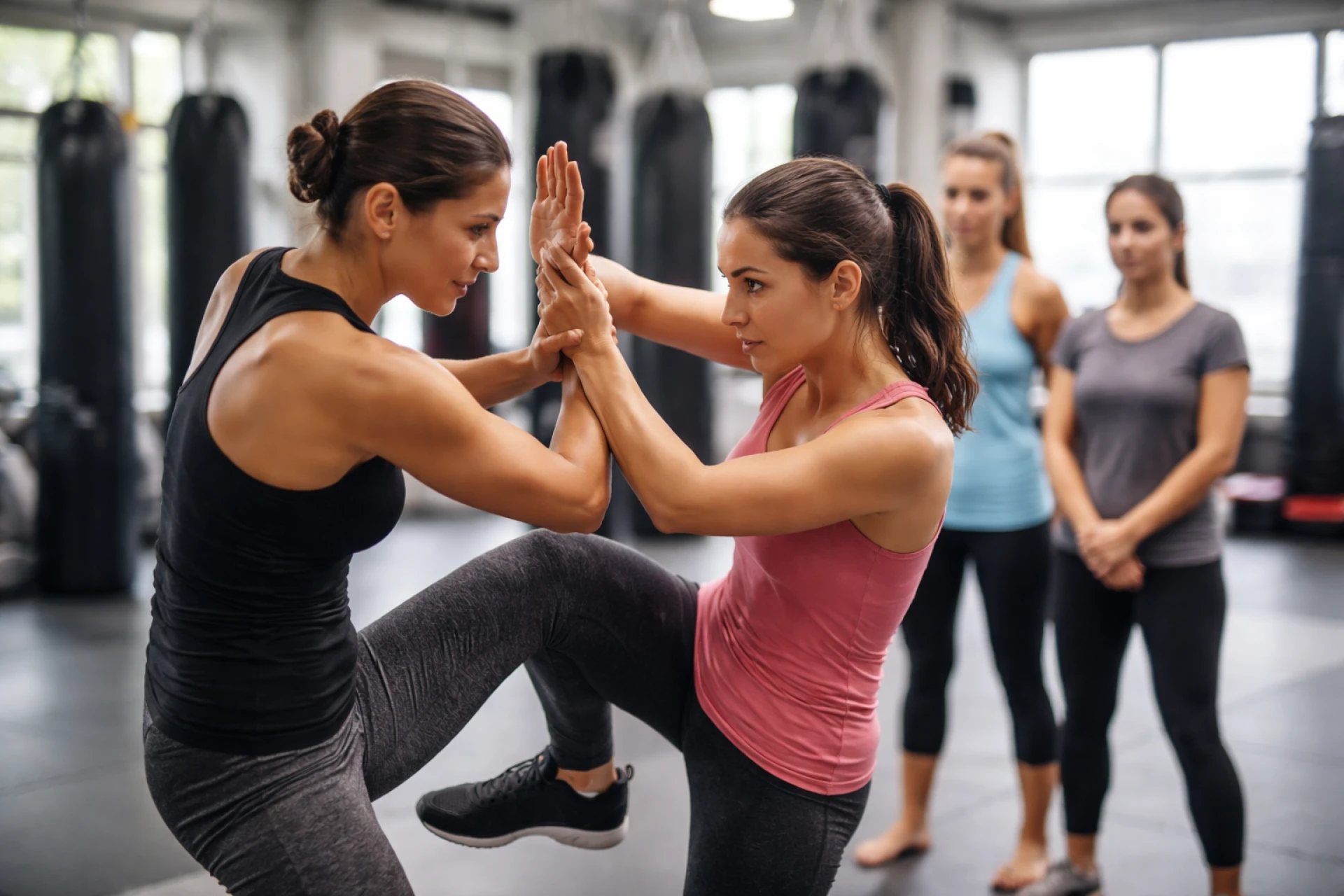

Most people believe that learning self-defense means memorizing techniques and hoping they work when needed. After teaching thousands of adults in New York City, one pattern appears repeatedly: people struggle not because they lack effort, but because they were never taught how pressure actually builds and how to respond before it becomes overwhelming.
Learning how to respond under pressure requires more than repetition. It requires understanding how situations develop, how hesitation appears, and how to act while options are still available. This is exactly what structured training at krav maga experts is built around.
How pressure develops in real situations
Pressure rarely begins with something obvious. It builds gradually through small changes that are easy to ignore. A conversation becomes slightly uncomfortable, someone stands closer than expected, or a boundary is tested in a way that feels subtle but persistent.
Most people wait in these moments because they are looking for certainty before acting. By the time the situation clearly feels wrong, the body is already under stress and decision-making slows down.
This is where self-defense training becomes practical. It teaches you to recognize these early shifts and respond while the situation is still manageable.
Why awareness matters in self-defense training
Awareness allows you to stay ahead of the situation instead of reacting late. When awareness is trained, you begin to notice changes in tone, distance, and behavior without overanalyzing them.
With consistent practice, reactions become more deliberate. You are no longer guessing what to do because you have already seen similar patterns during training.
Boundary setting as a practical skill
Boundary setting is one of the most effective tools in self-defense because it interrupts situations early. A clear response delivered at the right moment can change the direction of an interaction before it escalates.
This is not about confrontation. It is about clarity. When a boundary is expressed early, it removes uncertainty and prevents the situation from progressing further.
Training reinforces this skill so it becomes natural under pressure rather than something you hesitate to use.
Positioning and distance management
Positioning determines how much control you have in any interaction. When distance is managed early, movement remains available and options stay open.
If someone closes distance, you adjust. If an environment feels restrictive, you reposition. These actions may seem simple, but they are only effective when applied early.
Over time, training builds the ability to make these adjustments without hesitation.
Decision making under stress
Stress changes how people think and react. Breathing becomes shorter, attention narrows, and hesitation increases. Without exposure to this, most people either freeze or delay action.
Structured programs such as Adult self-defense training introduce controlled pressure so students can learn how to function within it. This allows decision-making to remain clear even when conditions are not.
Reading behavior and early warning signs
Most situations provide information before they escalate. Body language, tone, and persistence all indicate intent.
Learning to read these signals allows you to act earlier rather than waiting for something obvious to happen. This is where understanding all types of self defense becomes useful, because different situations require different responses, and recognizing the context improves decision-making.
How structured training builds real skills
Self-defense cannot be developed through theory alone. It requires consistent exposure to realistic situations and guided correction.
Training environments that focus on awareness, timing, and decision-making create skills that hold under pressure. Students learn how to move, communicate, and respond while conditions change, which makes their reactions more reliable over time.
Real-life application in everyday environments
Consider a situation on public transportation. Someone stands too close. At first, it feels minor. Then they shift again, reducing space further.
Without training, most people wait and hope it resolves itself. With training, the response happens earlier. You adjust your position, create space, and communicate awareness through posture. If needed, you set a boundary before pressure increases.
The situation does not escalate because it is addressed at the right moment.
Closing the gap between knowledge and action
Most people already know they should stay aware and avoid risk. The difficulty is applying that knowledge under pressure.
Learning how to learn self defense and respond under pressure bridges that gap. It builds awareness, improves timing, and reduces hesitation so responses become clear and controlled.
When training is consistent, you act earlier, maintain better positioning, and prevent situations from escalating unnecessarily.
FAQs
What is the first thing to learn in self-defense?
Awareness is the foundation because recognizing early changes allows you to act before pressure builds.
Do you need experience to start self-defense training?
No. Training is structured to guide beginners step by step.
How long does it take to improve under pressure?
With consistent training, awareness and decision-making improve early, while deeper control develops over time.
Are self-defense skills useful in everyday life?
Yes. These skills apply directly to daily environments such as public transportation, workplaces, and social interactions.
How often should someone train?
Training two to three times per week is enough to build consistency and improve performance.





















Sign in to leave a comment.