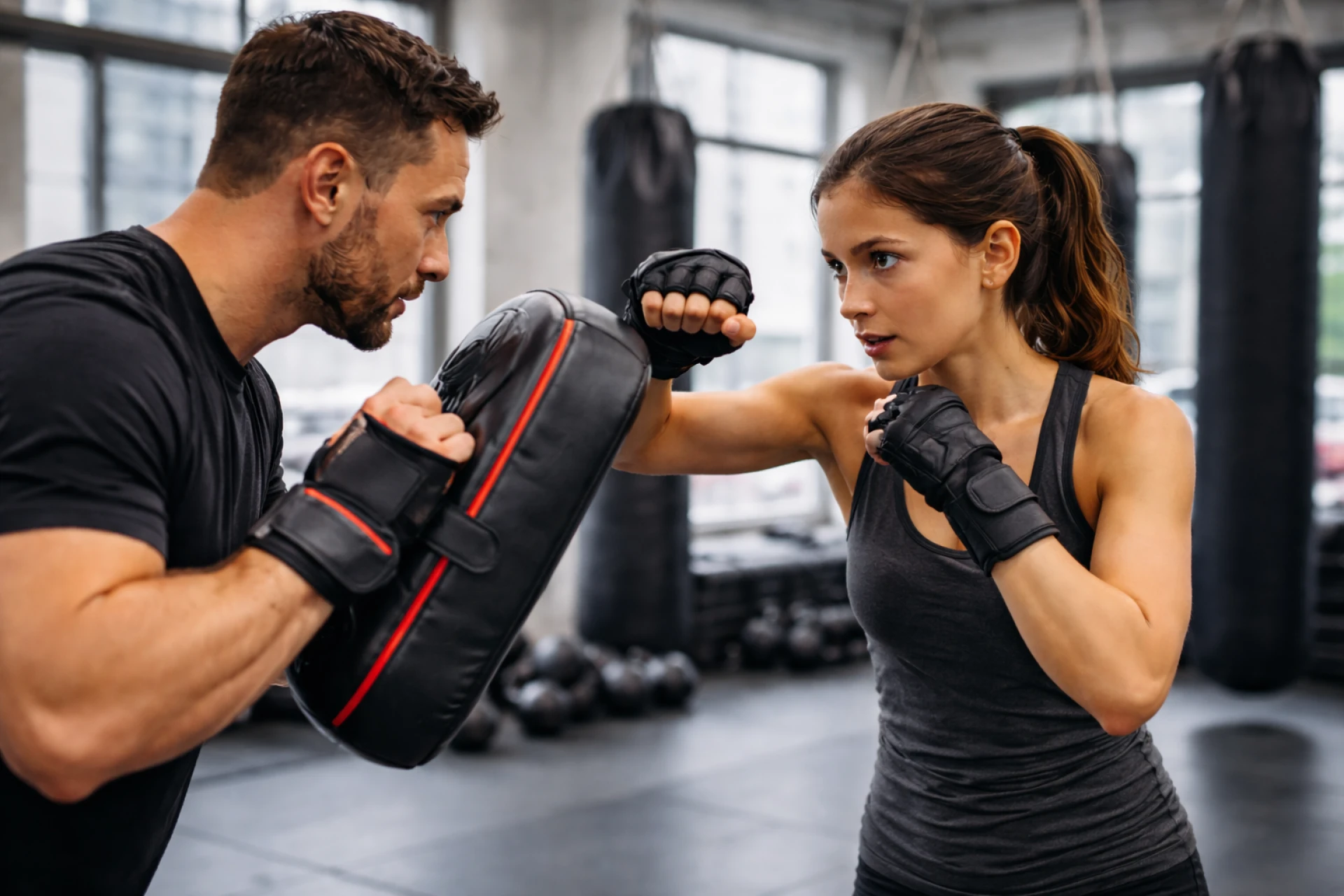

Many people begin self defense training expecting techniques alone to solve dangerous situations. They watch demonstrations, memorize movements, and assume repetition will automatically create reliable responses.
After teaching thousands of adults in New York City, one pattern appears repeatedly. Skills become reliable when students learn how pressure actually develops and how their body responds to it. This understanding rarely appears immediately in large group classes because every student moves, reacts, and processes information differently.
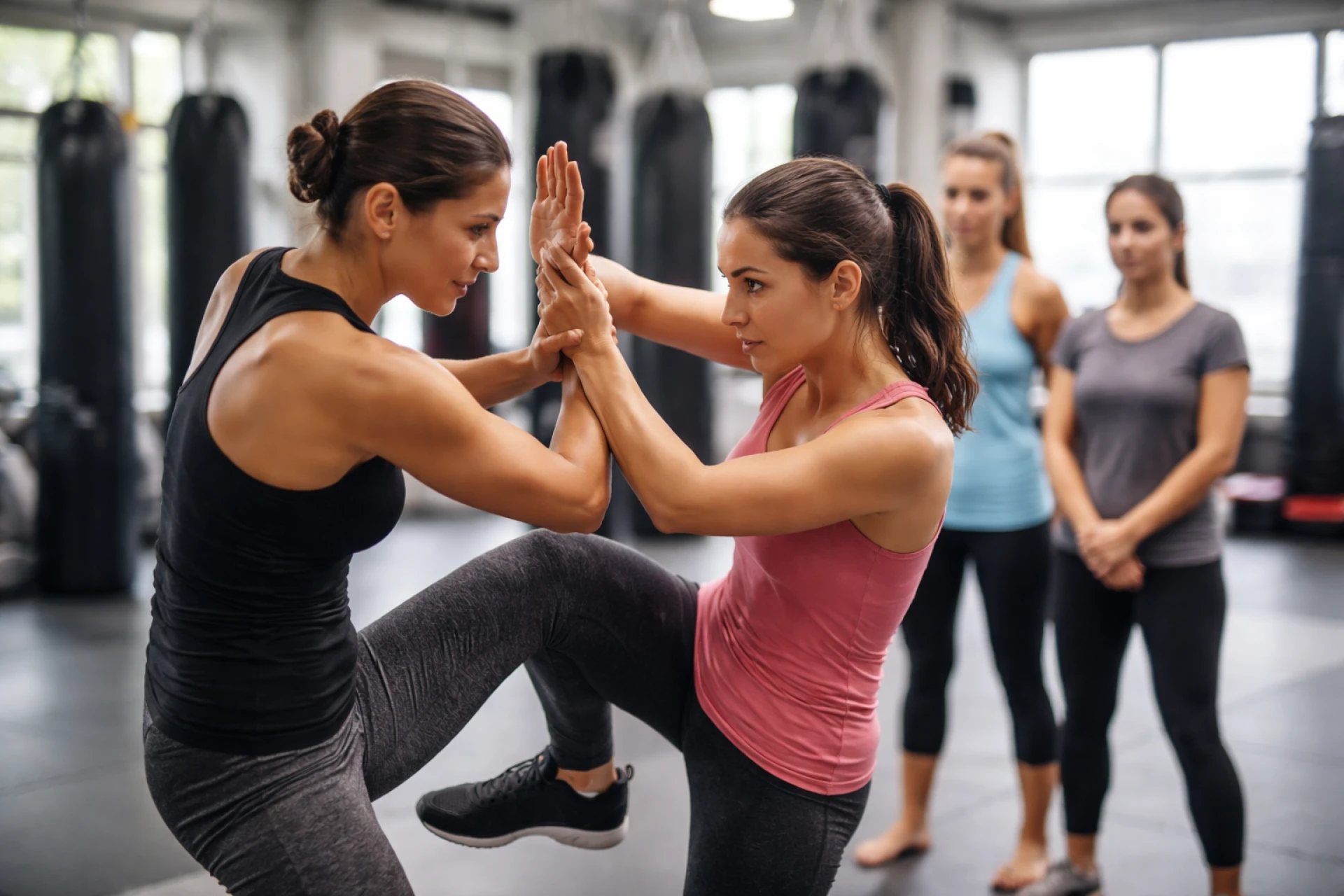
Working with a Krav Maga personal trainer in NYC creates space to address these differences directly. Private sessions allow instructors to focus on awareness, positioning, and decision making while adjusting the pace of training to match the individual.
How uncomfortable situations develop in everyday environments
Uncomfortable situations rarely appear suddenly. They usually develop gradually during normal interactions.
A conversation changes tone. Someone moves closer than expected. A request to stop is ignored. These moments often appear in everyday places such as offices, subway platforms, crowded sidewalks, or social gatherings.
Because the environment feels familiar, hesitation appears. People pause while trying to decide whether the situation is serious enough to respond.
This delay allows pressure to build. Distance becomes smaller. Options become limited. Stress begins affecting perception and movement.
Self defense training prepares students to recognize these early changes and respond while the situation is still flexible.
Situational awareness in private training
Situational awareness is the foundation of practical self defense. Awareness allows students to notice changes in behavior, distance, and environment before urgency appears.
In personal training sessions, instructors can focus on how an individual observes their surroundings. Some students concentrate too narrowly on one person and miss other signals. Others become distracted and overlook early changes in behavior.
Private instruction allows instructors to correct these patterns immediately. Students learn how to maintain awareness while remaining calm and engaged in normal interactions.
For example, during a crowded subway ride in Manhattan, awareness may reveal someone repeatedly stepping closer while ignoring normal personal distance. Recognizing that behavior early creates options before the situation escalates.
Boundary setting as a safety skill
Boundary setting allows a person to interrupt the direction of an interaction.
Many students initially hesitate to communicate clearly because they want to avoid conflict. Personal training helps them practice simple, direct communication that establishes limits early.
A clear statement combined with confident posture often changes the interaction immediately. The goal is not confrontation. The goal is clarity that prevents pressure from continuing.
Practicing this skill repeatedly helps students express boundaries without hesitation.
Positioning and distance management
Distance determines how much time a person has to respond.
Private sessions allow instructors to study how each student manages distance during movement and conversation. Some students allow others to move too close before reacting. Others step backward excessively and lose balance or awareness.
Training focuses on maintaining space while remaining stable and aware of surroundings.
Small positioning adjustments often provide enough time to leave the interaction or move toward safer areas.
Decision making under stress
Stress affects breathing, perception, and coordination. When pressure increases, the body shifts attention toward immediate threats.
During group classes, it can be difficult to observe exactly how each student reacts to these changes. Personal training allows instructors to introduce controlled stress while observing the student’s response.
Students learn how to recognize their physical reactions and maintain decision making even when pressure increases.
This gradual exposure helps reduce hesitation during real situations.
How personal training develops self defense skills
Structured private training allows instructors to build skills progressively.
Sessions begin by identifying patterns in the student’s movement and decision making. Instructors then introduce drills that focus on awareness, positioning, communication, and controlled responses.
Some students use private sessions to prepare for more advanced training. Articles such as how to become a Krav Maga instructor explain how teaching roles require deeper understanding of these principles.
Private sessions also allow students to refine technical details that appear during partner drills. Developing reliable training habits is important, which is why many students also study concepts discussed in how to be a good training partner.
These lessons help students apply their skills effectively during both private and group sessions.
Real life application in New York City
Daily life in New York City provides many environments where awareness and positioning matter.
A common situation occurs on a late evening subway platform. A commuter notices someone repeatedly standing closer while attempting conversation despite minimal response.
Situational awareness identifies the behavior early. Boundary setting communicates disinterest clearly. Positioning allows the commuter to move closer to other passengers or toward the train operator’s area.
These small decisions interrupt the direction of the interaction before escalation occurs.
Training prepares students for these situations by practicing similar scenarios in controlled environments.
Krav Maga private training in NYC
Private instruction also helps students focus on specific goals within their training.
Programs such as Krav Maga private training in NYC provide an environment where instructors can tailor drills to the individual. Some students want to improve awareness and confidence. Others focus on refining movement or preparing for higher level training.
At Krav Maga Experts in New York City, private sessions complement group classes by strengthening skills that students later apply in larger training environments.
This approach allows students to develop reliable responses that remain useful outside the gym.
Why structured training matters
General safety advice often focuses on avoidance. Structured training explains how situations actually develop and how awareness and decision making influence outcomes.
Working with a Krav Maga personal trainer in NYC allows students to refine these skills through focused instruction and controlled practice.
Private training helps bridge the gap between basic safety advice and practical capability by developing awareness, positioning, communication, and decision making under pressure.
FAQs
What do self defense classes teach first?
Self defense classes begin with situational awareness and positioning. Recognizing early warning signs creates more options before physical techniques become necessary.
Do you need to be athletic to train with a Krav Maga personal trainer?
No. Personal training adapts to the student’s physical ability and learning pace. Skills such as awareness, positioning, and communication can be developed at different fitness levels.
How long does it take to learn practical self defense skills?
Students usually begin developing awareness and basic responses within a few months of consistent training. Continued practice improves timing and decision making under pressure.
How often should someone train with a personal instructor?
Many students schedule private sessions once a week or periodically to refine specific skills alongside regular group classes.
Are private training sessions useful for beginners?
Yes. Personal sessions allow beginners to learn fundamentals clearly before entering group classes, which can make the transition into regular training smoother.



























Sign in to leave a comment.