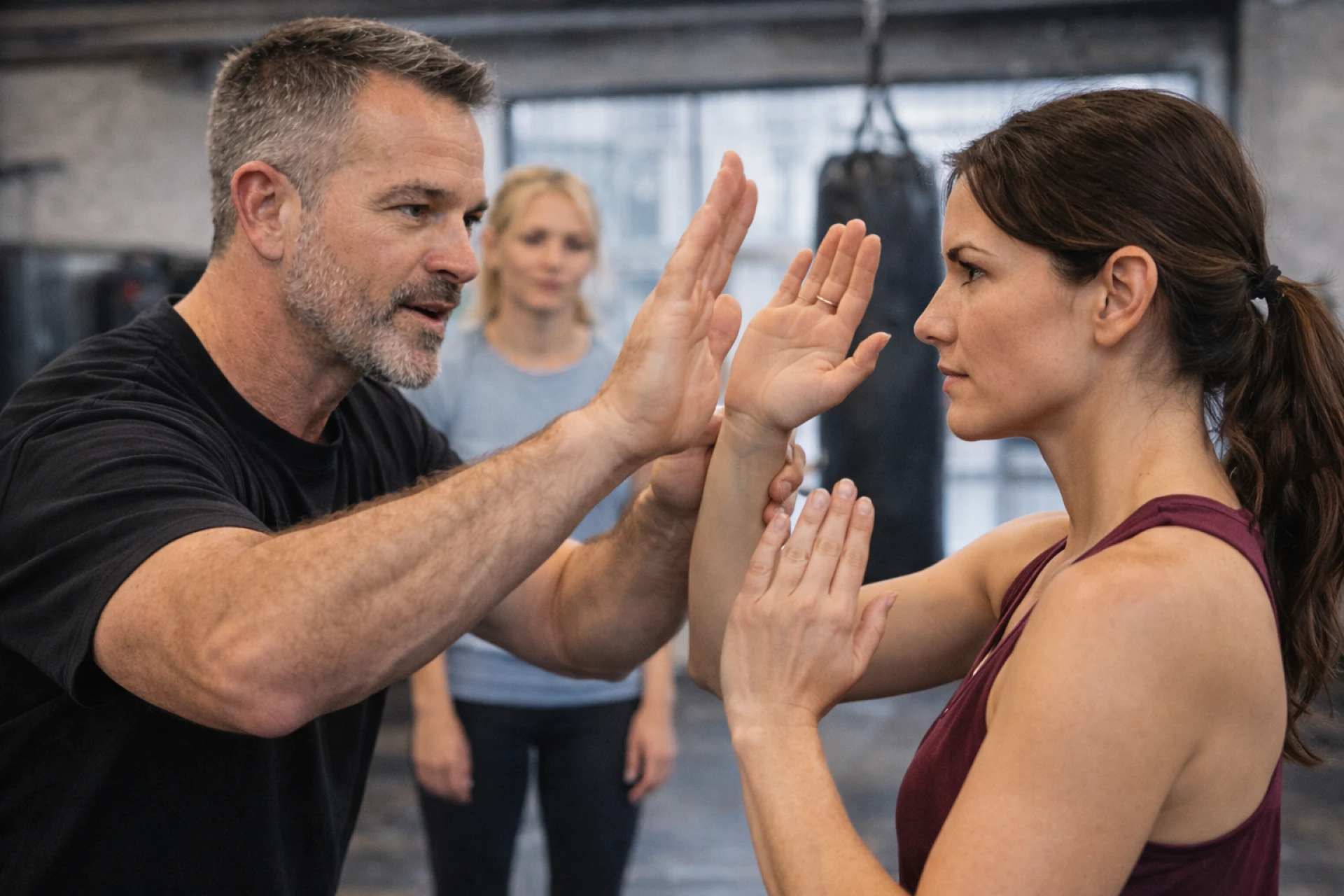

Many adults assume self-defense training focuses primarily on physical techniques. In reality, one of the most important skills developed through training is decision-making. When pressure rises, the ability to stay aware and make clear choices often matters more than physical strength.
Adult self defense classes are structured to help students recognize how situations develop and how to respond before confusion or hesitation takes over. Training gradually introduces stress so students learn how to stay oriented and make decisions while conditions are changing.
Why Pressure Affects Decision-Making
When people experience sudden pressure, the body reacts automatically. Breathing becomes faster, attention narrows, and the mind can shift into a reactive state. These responses are natural, but they can make it harder to think clearly.
Adults who have never experienced these reactions in a controlled setting may freeze, overreact, or hesitate when something unexpected happens. Self defense training helps students understand these responses and practice functioning despite them.
Instead of being surprised by stress, students begin to recognize it and manage it.
Learning to Recognize Situations Earlier
Decision-making improves when people notice changes sooner. Many uncomfortable situations begin subtly. Someone may close distance too quickly, repeat a request after receiving an answer, or behave in ways that feel unusual but not immediately threatening.
Adult self defense classes train students to observe these early signals. By recognizing changes in behavior, tone, or environment earlier, adults have more time to decide how they want to respond.
Early recognition allows simple actions such as creating distance, disengaging from an interaction, or seeking help before pressure escalates.
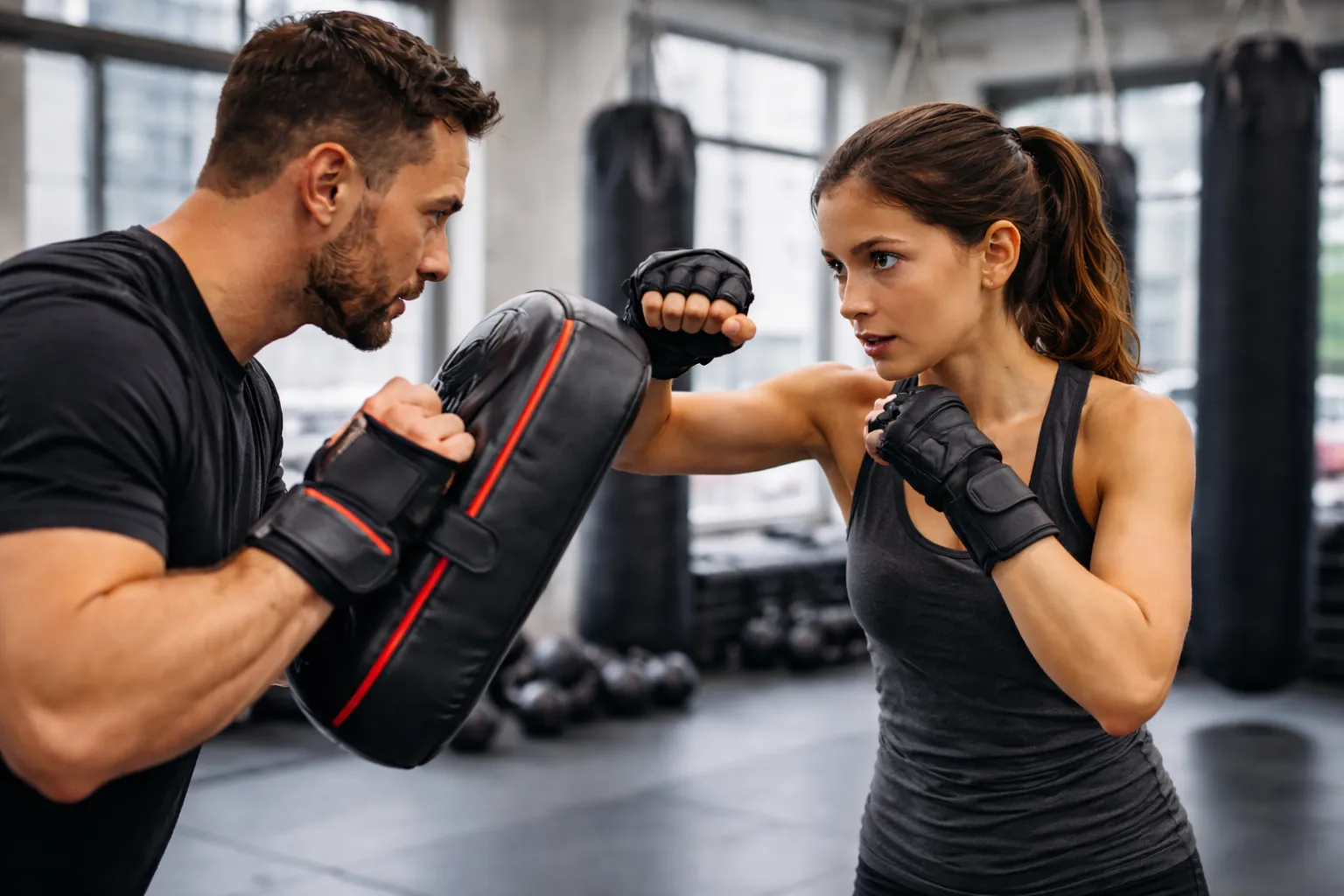
Practicing Decision-Making in Training
Decision-making improves through repetition. During training, students work through scenarios that require them to make quick choices while maintaining awareness of their surroundings.
These exercises do not rely on complex choreography. Instead, they focus on practical responses that can be applied in unpredictable environments. Students learn to identify what is happening, choose a response, and adjust if conditions change.
Through repeated exposure to these situations, hesitation gradually decreases.
Understanding the Role of Timing
Timing plays a major role in effective decision-making. Acting too late can reduce available options, while acting too quickly can escalate a situation unnecessarily.
Training helps adults recognize the right moment to respond. Students learn when it is appropriate to disengage, when to set a boundary, and when stronger action may be required. This understanding allows responses to remain controlled rather than impulsive.
Building Confidence Through Familiarity
Confidence in stressful situations often comes from familiarity rather than physical ability. When adults repeatedly experience controlled pressure in training, situations that once felt overwhelming begin to feel manageable.
Students become more comfortable noticing changes around them, speaking clearly when boundaries are crossed, and responding calmly when something unexpected occurs.
This familiarity reduces hesitation and allows decisions to happen more naturally.
How Training Reflects Real Environments
Adult self defense classes often incorporate conditions that resemble everyday environments. Training may involve limited space, multiple people moving within the same area, or exercises that require attention to more than one element at a time.
These conditions reflect how situations appear outside the training space. The goal is to help students remain functional when environments are busy and unpredictable. Programs such as those offered by Krav Maga Experts structure training around awareness, decision-making, and controlled pressure so students learn how to operate effectively in realistic conditions.
How Decision-Making Develops Over Time
Decision-making improves gradually as students continue training. Repeated exposure to observation, movement, and controlled pressure builds familiarity with situations that once felt uncertain. Adults begin recognizing patterns earlier and responding with more clarity.
These changes often appear in everyday life. People move through public spaces with greater awareness, communicate boundaries more comfortably, and respond sooner when something feels wrong. Training strengthens the ability to remain calm and deliberate when pressure appears.





















Sign in to leave a comment.