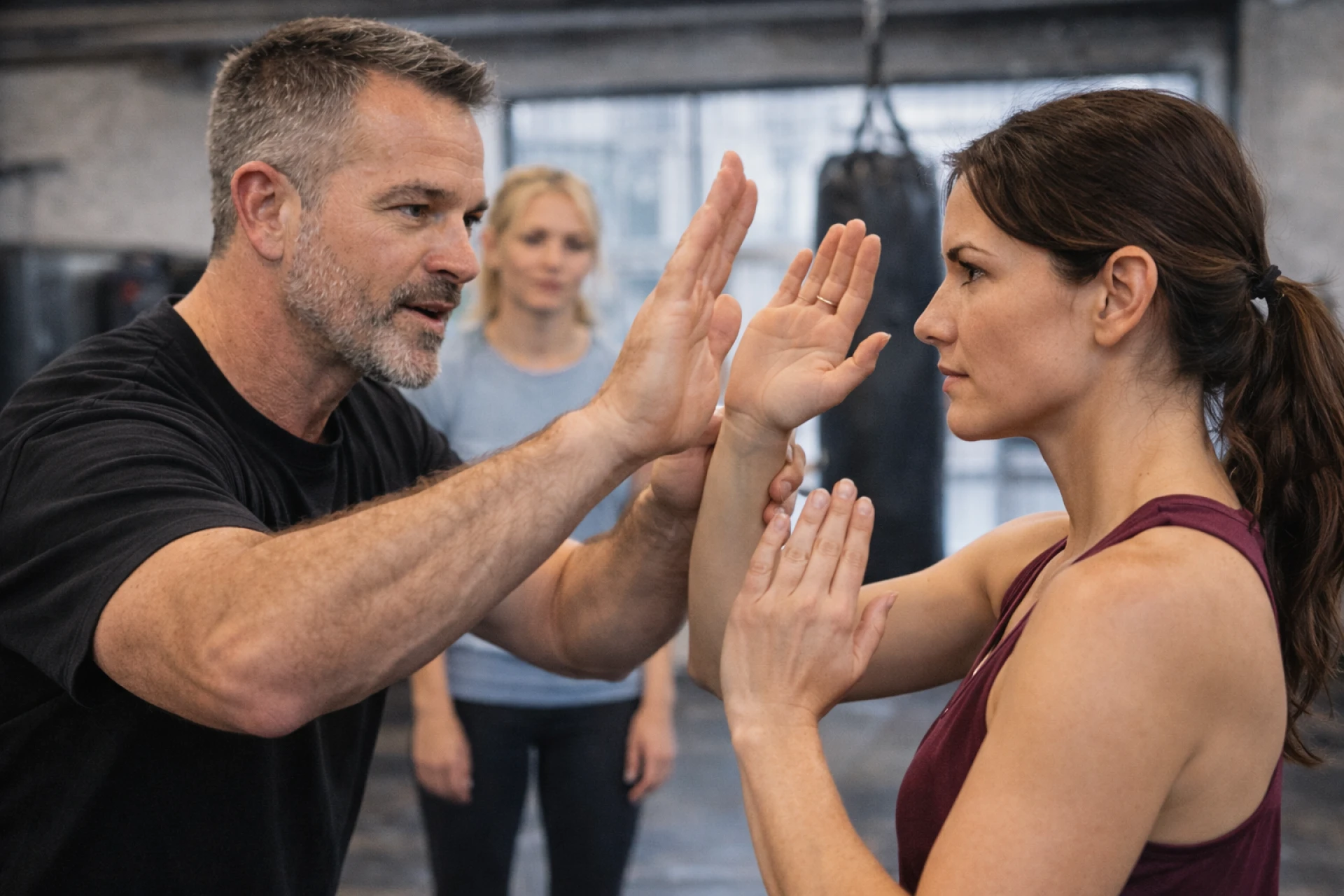

New York does not move slowly. Sidewalks are crowded. Public transit is compressed. Buildings, elevators, and shared spaces bring people into close proximity every day. Most situations that concern personal safety in NYC do not begin with obvious violence. They begin with small changes inside ordinary environments.
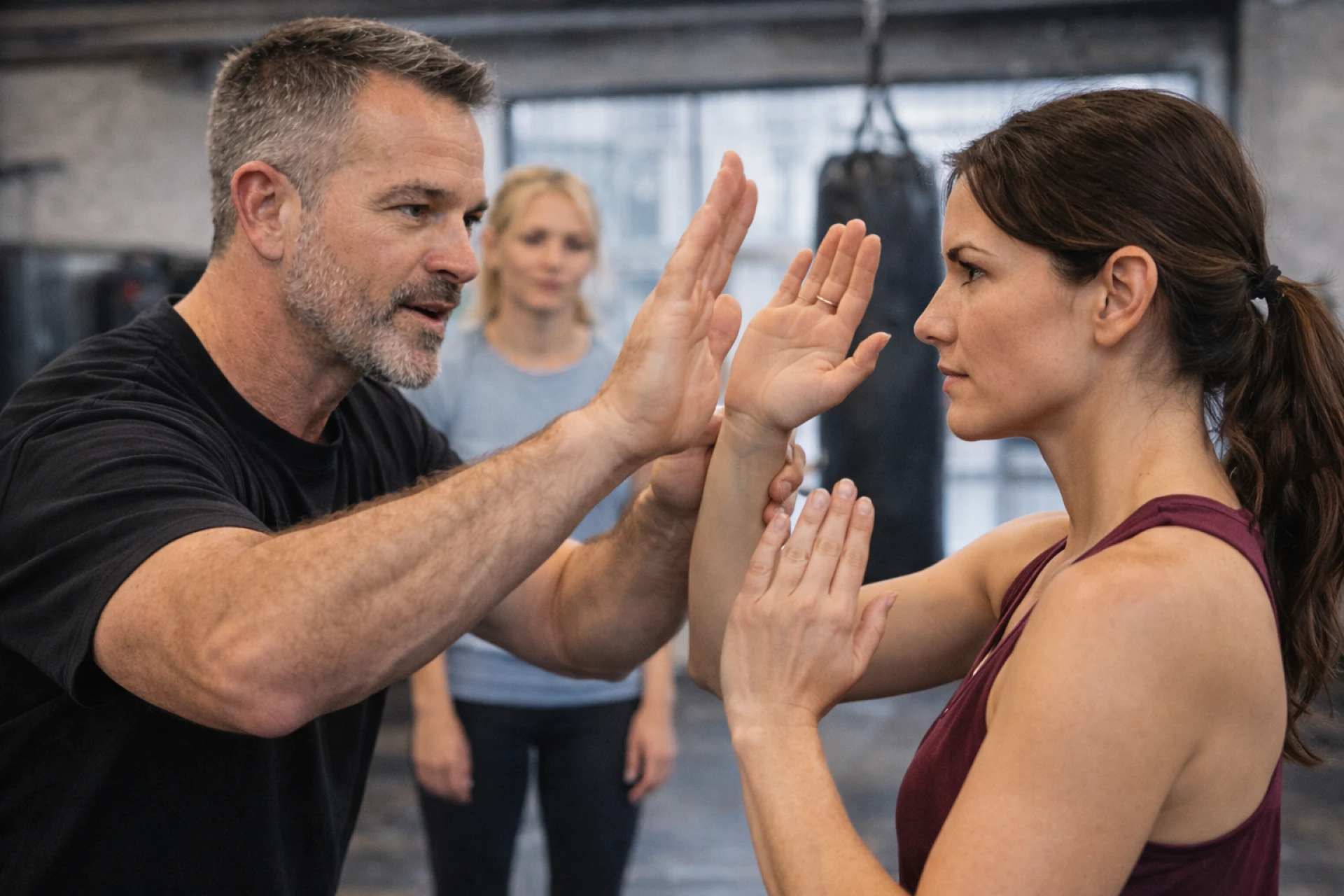
Self defense classes in NYC are built around that reality. Awareness comes first because it preserves decision-making before pressure escalates. Without awareness, strength and technique arrive too late.
How Situations Develop in a City Environment
In a place like New York, interactions happen constantly. Someone stands closer than expected on a train. A tone shifts in a late-night conversation. A repeated question ignores a clear answer. These early stages are subtle. They are easy to dismiss because they happen inside normal routines.
Risk rarely appears fully formed. It builds through proximity, repetition, and hesitation. The longer discomfort goes unaddressed, the narrower the options become. Preparation focuses on recognizing those early signals while they are still manageable.
Awareness Preserves Options
Awareness is not constant suspicion. It is orientation. It is knowing where you are, who is around you, and how distance is changing. When a shift is noticed early, response can stay simple.
Early responses may include:
- Repositioning to maintain space
- Changing direction or pace
- Ending an interaction clearly
- Seeking support before pressure rises
These actions require less force and create less escalation. Awareness creates time. Time preserves choice.
Why Physical Skill Is Not the Starting Point
Many people assume self-defense begins with technique. In reality, technique only works when the moment is recognized. If awareness is missing, reactions are delayed. Delayed reactions reduce control.
Training places awareness before physical skill because most city-based situations unfold gradually. When someone waits for certainty, stress increases. When someone notices change early, response remains deliberate.
Physical response is layered later. It supports earlier decisions rather than replacing them.
How Stress Affects Perception in Busy Environments
NYC environments carry constant stimulation. Noise, movement, and distraction compete for attention. Under stress, perception narrows further. Breathing shortens. Judgment tightens. In these conditions, clarity matters more than speed.
Training helps students stay oriented even when distraction is present. They learn how stress alters perception and how to avoid freezing when something feels off. Familiarity with mild pressure reduces hesitation when real pressure appears.
Awareness in Shared and Limited Spaces
Limited space changes everything. Elevators, subway cars, stairwells, and narrow sidewalks leave little room for movement. In these environments, early recognition is critical.
When space is restricted, timing becomes more important than strength. Awareness of exits, positioning, and proximity determines whether options remain available. Acting early prevents the need for force in tight quarters.
How Awareness Changes Daily Behavior
The impact of awareness training often appears outside the gym. People begin noticing shifts in tone or distance sooner. They reposition without drawing attention. They disengage before situations tighten.
This does not create paranoia. It creates steadiness. Confidence grows from knowing what is happening and responding before escalation.
In a city where environments change quickly and space is shared, awareness is the foundation. Strength matters. Technique matters. But without early recognition, both are limited. Awareness keeps control at the beginning of the interaction, while options are still open.
















Sign in to leave a comment.