

Industrial workplaces involve multiple operational activities that can expose workers, equipment, surrounding communities, and the environment to different forms of danger. To reduce accidents and improve workplace safety, organizations depend on structured methods that identify hazards before incidents occur. Two important approaches used in modern safety management are risk assessment and specialized process safety studies. Although these methods are connected through their focus on hazard prevention, they differ significantly in their purpose, depth, application, and implementation within industrial operations. Understanding these differences allows organizations to apply the correct safety approach according to operational requirements, legal obligations, and the nature of workplace hazards.
Risk assessment is a broad safety practice used across different industries to identify hazards, evaluate associated risks, and establish suitable control measures. This method can be applied to routine operational tasks, machinery handling, maintenance work, electrical activities, material transportation, construction operations, and office based environments. The process generally starts with hazard identification, followed by an evaluation of the likelihood and severity of possible harm. Once the evaluation is complete, organizations implement preventive and corrective measures that reduce risks to acceptable levels.
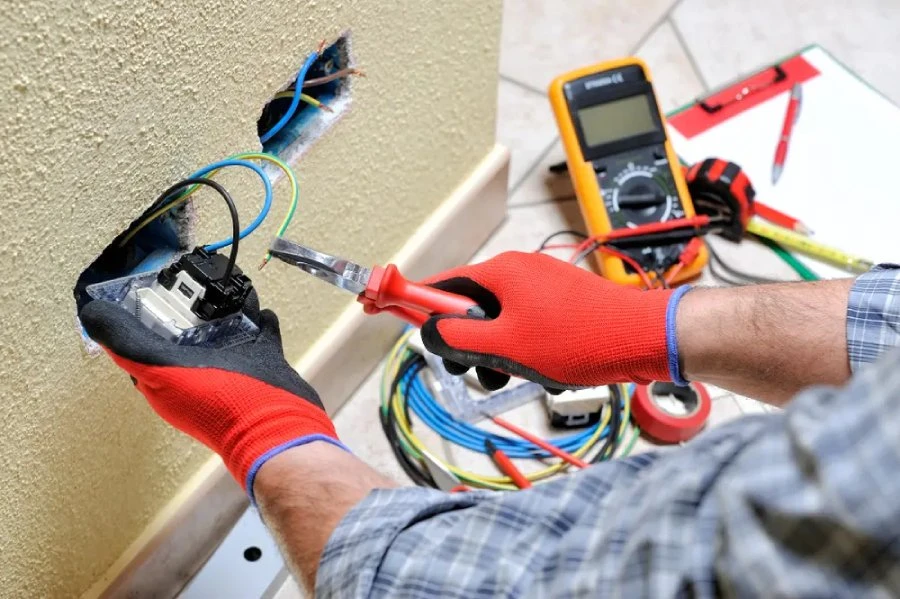
A risk assessment mainly focuses on common workplace hazards that employees may encounter during daily operations. Examples include slips, trips, falls, ergonomic injuries, exposure to electricity, manual handling risks, and unsafe working conditions. The assessment process is usually simple, practical, and easier to conduct when compared with complex engineering based safety studies. In many organizations, trained supervisors, safety officers, and operational personnel can complete the assessment after collecting workplace information and identifying unsafe conditions. The findings are then documented and regularly reviewed whenever workplace processes, equipment, or operational activities change.
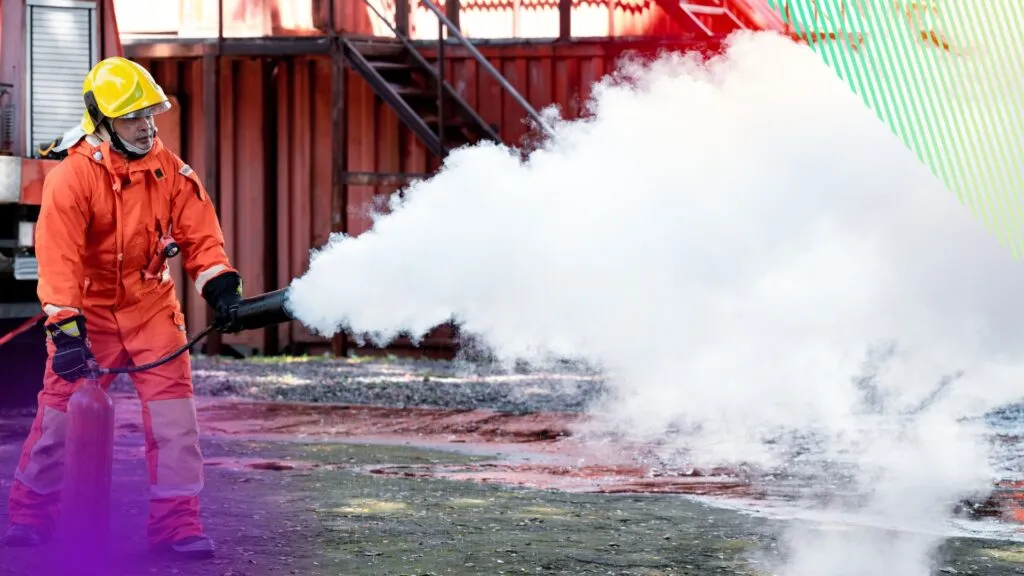
In contrast, specialized process safety studies are more detailed and primarily used in industries that involve hazardous chemicals, pressurized systems, combustible materials, or complicated manufacturing operations. These studies focus on identifying failures within industrial systems and understanding how those failures could result in explosions, fires, toxic releases, environmental damage, or major operational disruptions. Instead of evaluating general workplace hazards, the analysis examines engineering controls, operating procedures, instrumentation systems, process conditions, emergency response measures, and equipment reliability to identify situations that may trigger severe incidents.
Another important difference involves the level of detail required during implementation. Risk assessments are generally quicker to perform because they examine routine workplace hazards and operational activities. Process safety studies demand a much deeper evaluation that includes reviewing piping systems, process flow diagrams, chemical reactions, equipment specifications, and possible operational deviations. These studies are commonly performed by multidisciplinary teams that include engineers, operators, maintenance specialists, and safety professionals who work together to identify weaknesses within industrial systems and recommend practical corrective measures for improving operational reliability.
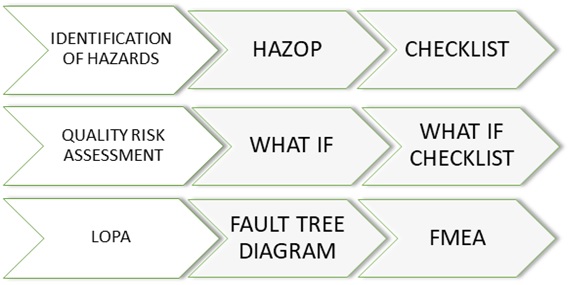
The techniques used within both methods also vary considerably. Risk assessment practices may involve job safety analysis, hazard identification methods, checklists, workplace inspections, and qualitative risk scoring systems. In comparison, process safety studies often use structured techniques such as HAZOP analysis, fault tree analysis, event tree analysis, and what if reviews. These methods are specifically designed for evaluating highly complex industrial systems where a single equipment failure or operational error may produce severe consequences that affect workers, nearby communities, and the environment.
The scope of implementation further highlights the distinction between the two approaches. Risk assessments are widely used in manufacturing facilities, warehouses, hospitals, educational institutions, offices, and construction projects because every workplace contains operational hazards that require monitoring and control. Specialized process safety studies are generally associated with sectors such as oil and gas, petrochemicals, pharmaceuticals, chemical manufacturing, and energy production, where process related incidents may lead to catastrophic operational failures and significant environmental consequences.
Regulatory requirements also influence the application of these methods within organizations. Occupational safety regulations in many countries require employers to conduct regular risk assessments to protect workers and maintain compliance with workplace safety standards. High hazard industries may additionally require specialized engineering based safety evaluations under national or international regulations. These evaluations help organizations identify weaknesses within operational systems, improve emergency preparedness, strengthen preventive safeguards, and reduce the possibility of large scale industrial accidents.
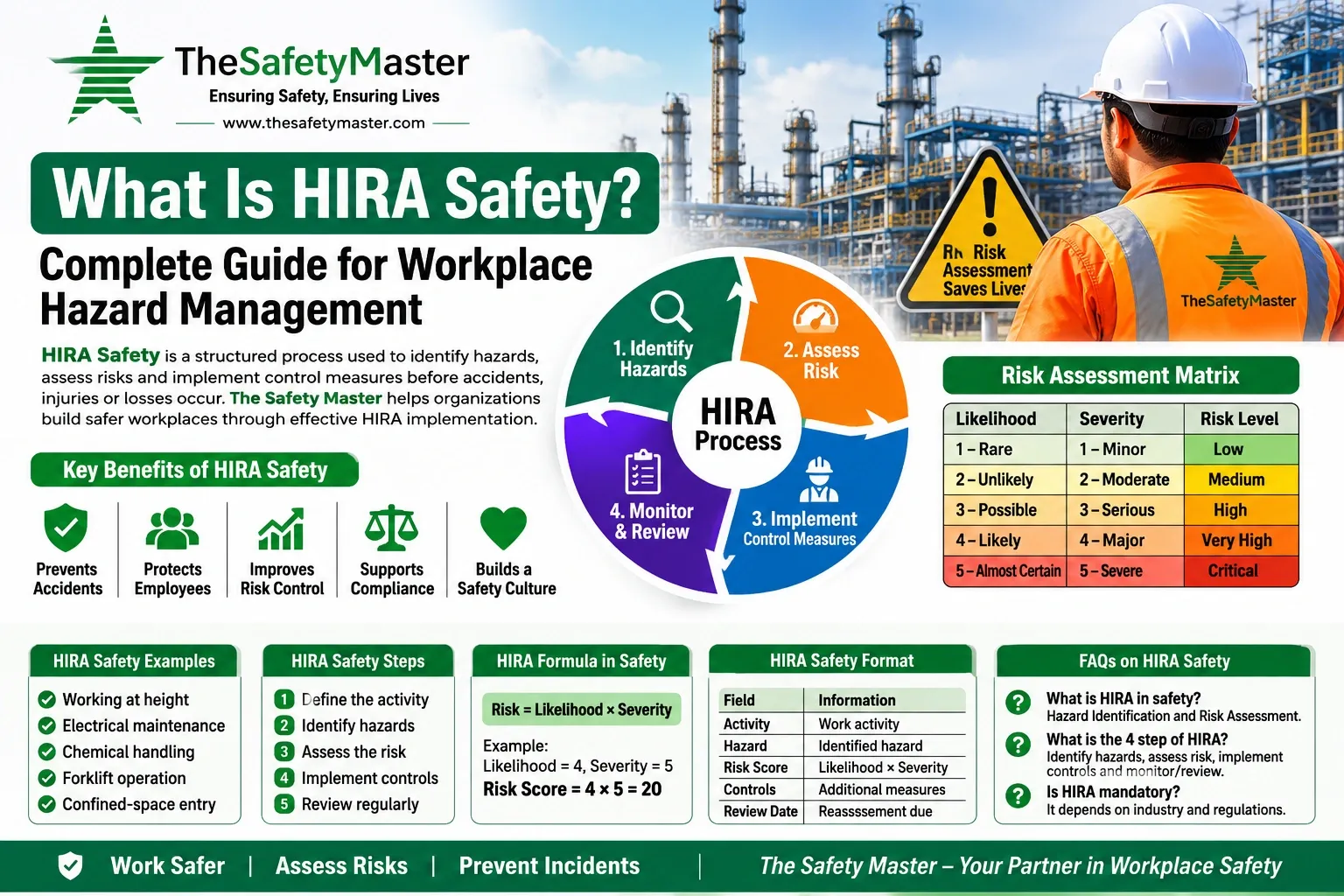
The role of HIRA is also significant within workplace safety management practices. This approach supports organizations in identifying hazards, evaluating associated risks, and implementing preventive measures across different operational activities. It also helps improve workforce awareness, strengthen safety procedures, encourage proactive reporting, and support continuous improvement within occupational safety management systems.
In conclusion, risk assessment and specialized process safety studies both play essential roles in industrial safety management. Risk assessment focuses on identifying and controlling general workplace hazards, while process safety studies concentrate on complex industrial systems with potentially severe consequences. Understanding their differences helps organizations apply suitable safety methods within the correct operational context, improving workplace protection, operational continuity, regulatory compliance, and long term safety performance.






















Sign in to leave a comment.