
Workplace risk assessment is a structured process used to identify hazards, evaluate potential risks, and implement suitable control measures to protect employees, contractors, visitors, and business operations. Regardless of industry, organizations that conduct regular risk assessments are better equipped to prevent incidents, comply with regulations, and create safer working environments.
An effective risk assessment is not simply a compliance exercise. It is an ongoing process that helps organizations understand workplace hazards and make informed decisions about managing them. This guide explains the essential steps involved in conducting a comprehensive workplace risk assessment.
Understanding the Purpose of Risk Assessment
Risk assessment helps organizations recognize situations that may cause harm and determine the likelihood and severity of potential consequences. The objective is to reduce risks to an acceptable level through appropriate preventive and protective measures.
A well-executed assessment provides valuable insights into operational weaknesses, equipment-related hazards, human factors, and environmental risks. It also supports continuous improvement within occupational health and safety management systems.
Step 1: Define the Scope of the Assessment
Before beginning the assessment, it is important to establish its scope. This includes identifying the work area, process, activity, equipment, or department being evaluated.
Defining the scope ensures that resources are focused effectively and that all relevant hazards are considered. Organizations should also determine who will participate in the assessment, including supervisors, safety professionals, engineers, and workers who are familiar with daily operations.
Step 2: Identify Workplace Hazards
Hazard identification is the foundation of every risk assessment. A hazard is anything with the potential to cause injury, illness, property damage, environmental harm, or operational disruption.
Common workplace hazards may include:
- Physical hazards such as noise, heat, and moving machinery
- Chemical hazards involving hazardous substances
- Biological hazards from bacteria, viruses, or contaminated materials
- Ergonomic hazards related to repetitive tasks or poor workstation design
- Psychosocial hazards including stress and workplace fatigue
Organizations often use workplace inspections, employee feedback, incident records, safety audits, and process reviews to identify hazards comprehensively.
The methodology of HIRA In Safety is widely used to systematically identify hazards and evaluate associated risks across various industries.
Step 3: Determine Who May Be Affected
After identifying hazards, organizations must determine who could be exposed and how they may be impacted.
Affected individuals may include:
- Employees
- Contractors
- Temporary workers
- Visitors
- Maintenance personnel
- Emergency responders
Understanding exposure patterns helps organizations develop more targeted and effective control measures. Different groups may face different levels of risk depending on their responsibilities and work locations.
Step 4: Evaluate the Risks
Risk evaluation involves assessing the likelihood that a hazardous event will occur and the severity of its potential consequences.
Many organizations use risk matrices to assign risk ratings. These ratings help prioritize actions and allocate resources effectively.
Factors to consider during evaluation include:
- Frequency of exposure
- Number of people exposed
- Existing safeguards
- Potential injury severity
- Environmental and operational impacts
The assessment should be evidence-based and supported by observations, historical data, and technical expertise whenever possible.
Step 5: Implement Risk Control Measures
Once risks have been evaluated, suitable controls should be selected and implemented. The hierarchy of controls is a recognized framework for reducing workplace risks.
The hierarchy includes:
Elimination
Remove the hazard entirely whenever possible.
Substitution
Replace hazardous materials, equipment, or processes with safer alternatives.
Engineering Controls
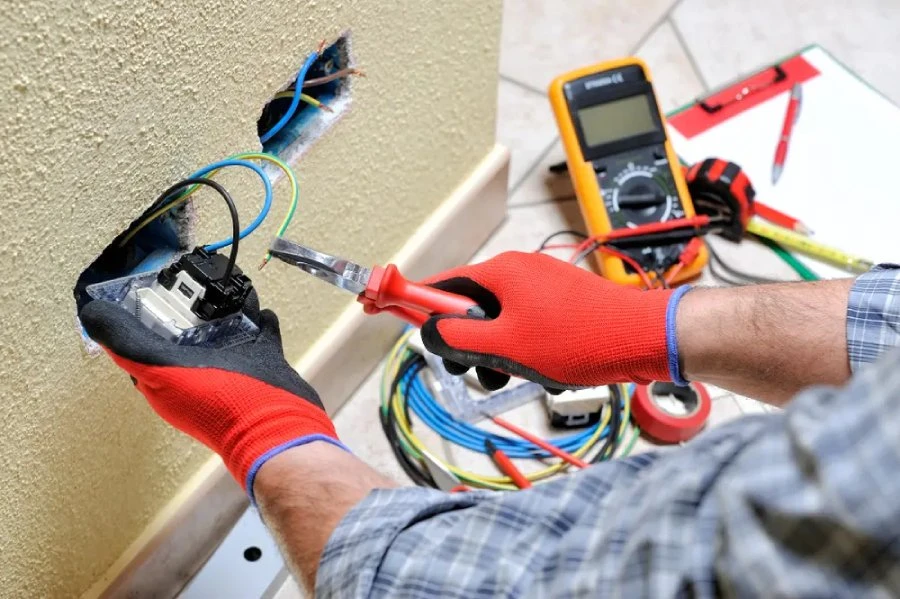
Use physical modifications such as machine guards, ventilation systems, or isolation barriers.
Administrative Controls
Develop procedures, training programs, work schedules, and supervision practices to reduce exposure.
Personal Protective Equipment
Provide appropriate protective equipment when other control measures cannot fully eliminate risks.
Organizations should prioritize higher-level controls because they generally provide more reliable and sustainable risk reduction.
Step 6: Document Findings and Actions
Proper documentation ensures transparency and accountability throughout the risk assessment process.
Documentation should include:
- Identified hazards
- Risk ratings
- Selected control measures
- Responsible personnel
- Implementation timelines
- Review schedules
Accurate records support regulatory compliance and provide valuable reference material for future assessments.
Specialized expertise from experienced Process Safety Consultants can contribute to more detailed evaluations of complex industrial operations involving hazardous processes and critical safety systems.
Step 7: Monitor and Review the Assessment
Risk assessment is not a one-time activity. Workplace conditions, technologies, processes, and regulations change over time, making periodic reviews essential.
Organizations should review assessments when:
- New equipment is introduced
- Processes are modified
- Incidents or near misses occur
- Regulatory requirements change
- Significant organizational changes take place
Regular monitoring helps ensure that control measures remain effective and continue to address emerging risks.
The Importance of Workplace Inspections and Audits
Routine inspections and audits complement risk assessments by verifying whether controls are functioning as intended. Audits provide opportunities to identify gaps and strengthen overall safety performance.
A structured Fire Safety Audit Service can help evaluate fire prevention measures, emergency preparedness arrangements, and compliance with applicable fire safety requirements.
When combined with risk assessment activities, audits provide a more complete understanding of workplace safety conditions.
Conclusion
An effective workplace risk assessment follows a systematic approach that begins with hazard identification and continues through risk evaluation, control implementation, documentation, and ongoing review. Organizations that consistently apply these steps are better positioned to reduce incidents, protect workers, and maintain safe operational environments.
By involving employees, using reliable assessment methods, and regularly reviewing workplace conditions, organizations can establish a proactive safety culture that supports long-term operational success and continuous improvement.


























Sign in to leave a comment.