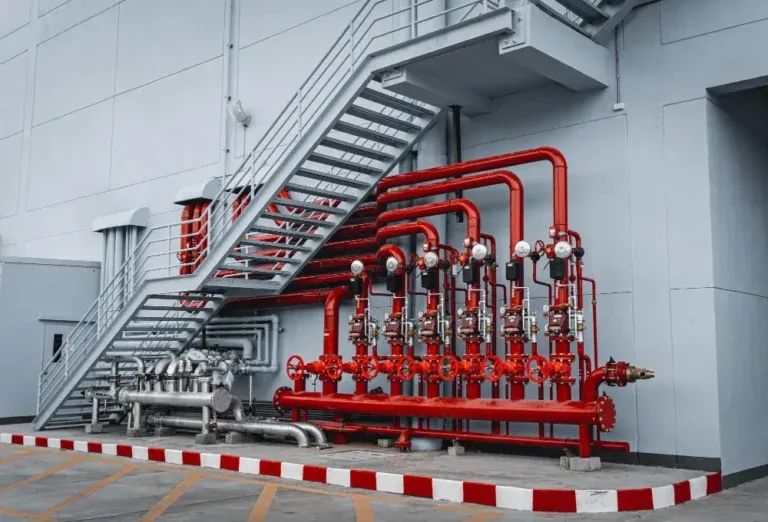

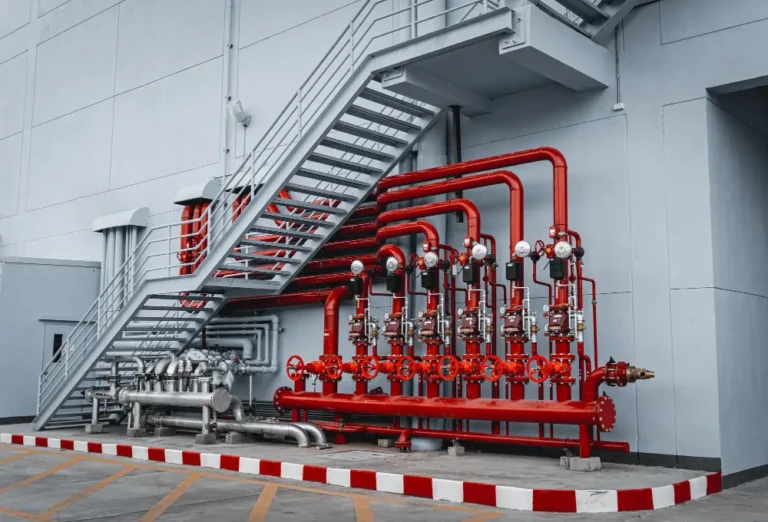
As buildings become more connected and technologically advanced, fire safety management is undergoing a significant transformation. Smart buildings are designed to use integrated technologies that improve efficiency, sustainability, occupant comfort, and operational control. However, these innovations also introduce new considerations for fire prevention, detection, and emergency response.
For facility managers, understanding how smart technologies interact with fire safety systems is essential. Effective fire protection in modern buildings requires a combination of traditional safety principles and advanced digital capabilities that can enhance situational awareness and support faster decision-making during emergencies.
Understanding the Role of Smart Buildings
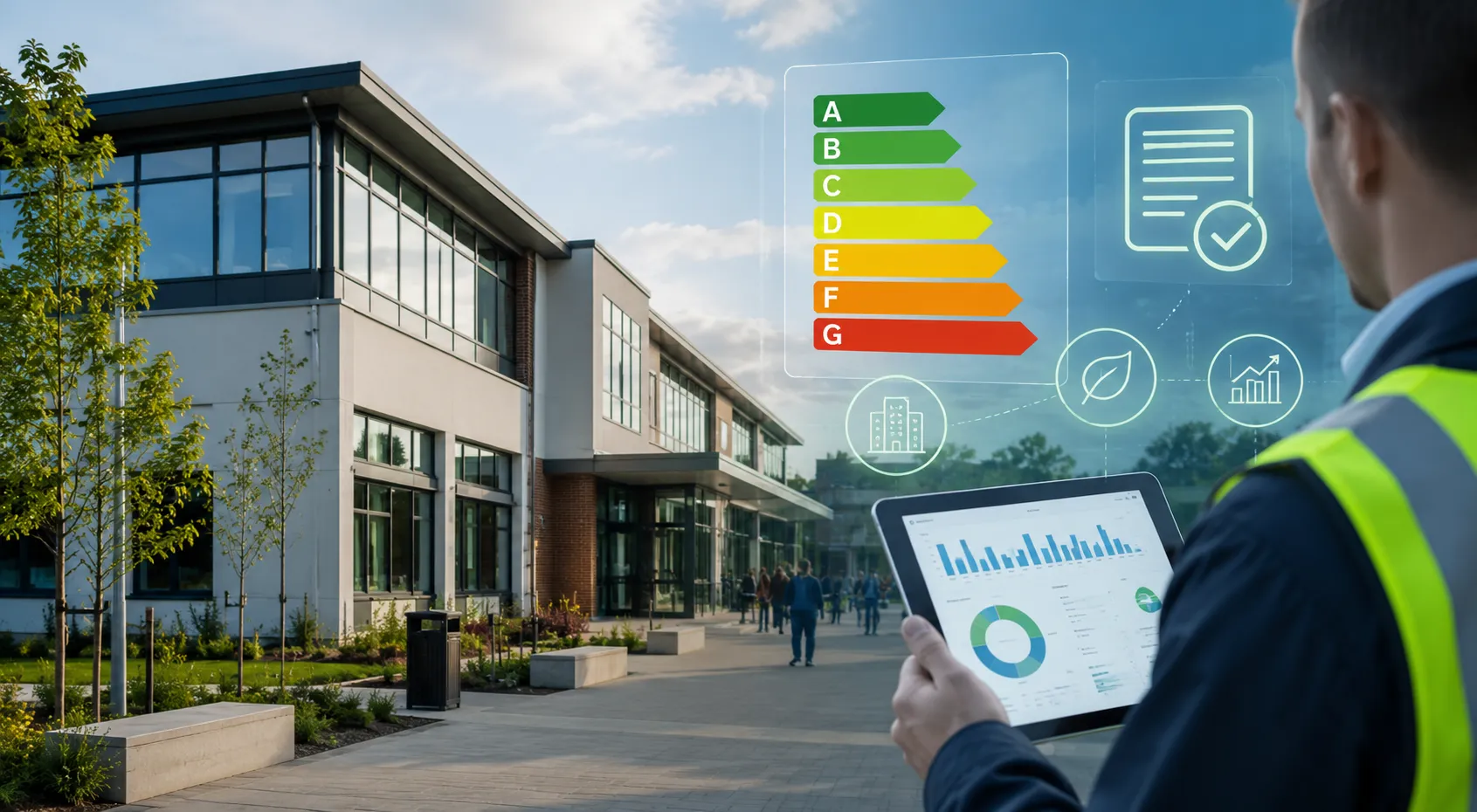
Smart buildings rely on interconnected systems that collect, analyze, and share information in real time. These systems often include sensors, automation controls, building management platforms, security networks, energy management solutions, and environmental monitoring tools.
The integration of these technologies enables facility managers to monitor building performance continuously. From temperature fluctuations to occupancy patterns, smart systems provide valuable insights that can support both operational efficiency and safety objectives.
When applied to fire safety, this connectivity allows organizations to identify potential risks earlier and respond more effectively to developing situations.
Advanced Fire Detection Through Connected Technologies
Traditional fire detection systems typically activate alarms after smoke, heat, or flames are detected. While these systems remain essential, smart buildings are increasingly incorporating intelligent monitoring capabilities that provide earlier warnings.
Connected sensors can monitor environmental conditions such as temperature changes, equipment performance, air quality, and electrical system behavior. By analyzing these data points, smart systems may identify unusual patterns that could indicate an increased fire risk before an emergency occurs.
Organizations often perform a detailed Fire Safety Audit Service to evaluate whether existing fire protection systems are capable of supporting modern smart building environments and emerging risk scenarios.
Real-Time Monitoring and Faster Response
One of the greatest advantages of smart fire safety systems is the ability to provide real-time information. Facility managers can access centralized dashboards that display the status of fire alarms, suppression systems, emergency exits, and other critical safety infrastructure.
During an incident, real-time monitoring helps emergency teams understand the situation more quickly. Information about affected areas, occupancy levels, ventilation systems, and evacuation routes can support informed decision-making and improve response coordination.
This visibility can be especially valuable in large facilities, multi-story buildings, healthcare environments, and industrial complexes where rapid response is critical.
Integration with Building Management Systems
Modern fire safety systems are increasingly integrated with broader building management systems. This integration allows different technologies to work together during emergencies.
For example, when a fire alarm is activated, the system may automatically unlock emergency exits, adjust ventilation controls, shut down specific equipment, activate emergency lighting, and notify designated personnel. These automated actions can help contain hazards and support safer evacuations.
Facility managers should understand how these interconnected systems function and ensure that integration does not create unexpected vulnerabilities or operational conflicts.
The Importance of Data-Driven Maintenance
Fire safety equipment requires regular inspection, testing, and maintenance to remain effective. Smart technologies provide facility managers with new tools to improve maintenance planning and compliance management.
Connected devices can continuously monitor equipment performance and notify maintenance teams when inspections or repairs are needed. Predictive maintenance strategies can identify potential issues before they lead to equipment failures.
This approach helps reduce downtime, improves reliability, and supports compliance with fire safety regulations and industry standards. A qualified Safety Audit Consultant can assist organizations in reviewing maintenance practices, identifying compliance gaps, and strengthening workplace safety management systems.
Cybersecurity Considerations in Smart Fire Safety
As fire protection systems become more connected, cybersecurity has emerged as an important concern. Smart building technologies often rely on network connectivity, cloud platforms, and remote access capabilities.
Unauthorized access to critical building systems could potentially disrupt operations or compromise emergency response functions. Facility managers should work closely with information technology and security teams to implement strong cybersecurity measures.
Regular software updates, access controls, network monitoring, and cybersecurity assessments can help protect connected fire safety infrastructure from emerging threats.
Enhancing Emergency Preparedness with Smart Technologies
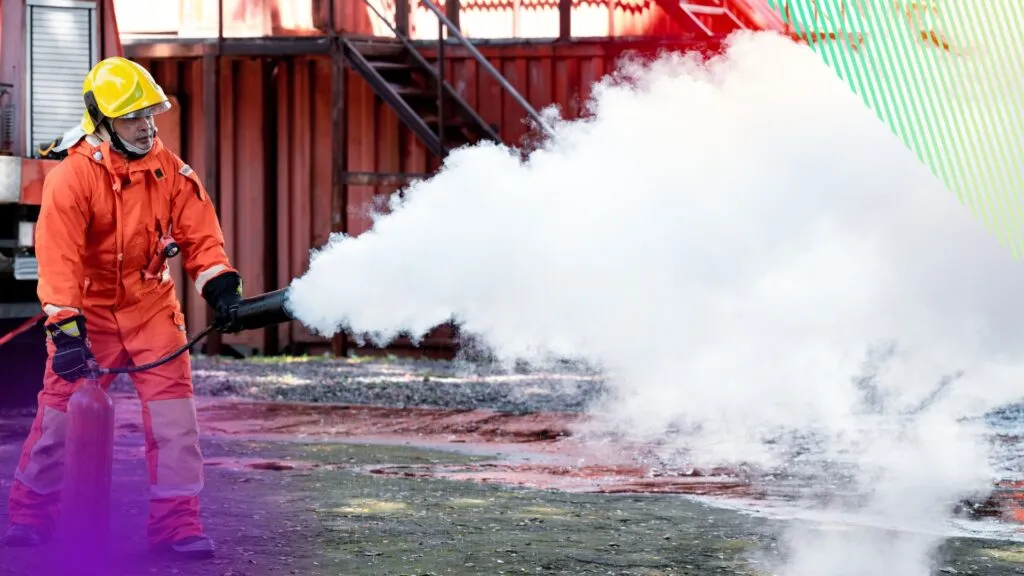
Emergency preparedness remains a fundamental component of fire safety. Smart technologies can improve training, communication, and evacuation planning by providing detailed information about building operations and occupant behavior.
Digital communication platforms can distribute emergency notifications instantly, while occupancy monitoring systems can help identify areas where individuals may require assistance during evacuations.
Facility managers can also use historical data from drills and incidents to evaluate response effectiveness and identify opportunities for improvement.
Smart Buildings and Industrial Fire Risk Management
Many industrial facilities are adopting smart technologies to improve operational efficiency and safety oversight. However, complex manufacturing processes, hazardous materials, and automated equipment can introduce additional fire hazards that require specialized attention.
A knowledgeable Process Safety Consultant can help organizations assess process-related fire risks, evaluate control measures, and ensure that smart systems support safe operations without creating new vulnerabilities.
By combining process safety principles with advanced monitoring technologies, organizations can better manage high-risk environments and reduce the likelihood of serious fire incidents.
Conclusion
Smart buildings are changing the way organizations approach fire safety. Connected technologies, real-time monitoring, predictive maintenance, and integrated response systems provide facility managers with powerful tools for improving risk management and emergency preparedness.
As buildings become increasingly sophisticated, facility managers must understand both the opportunities and challenges associated with smart fire safety systems. By combining proven fire protection practices with modern technology, organizations can create safer environments while supporting operational efficiency and regulatory compliance.


























Sign in to leave a comment.