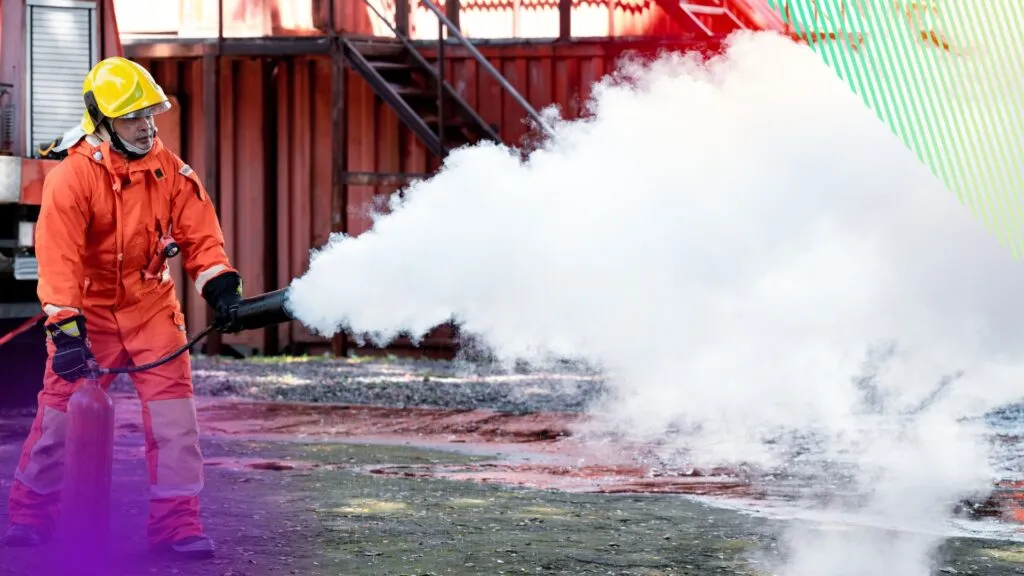


Critical infrastructure facilities form the foundation of modern society. These facilities include power plants, water treatment facilities, transportation networks, telecommunications centers, healthcare institutions, data centers, and industrial operations that support essential public services. The uninterrupted operation of these facilities is vital for economic stability, public safety, and national resilience.
Because of their importance, critical infrastructure facilities face unique fire safety challenges. A fire incident in one of these environments can lead to widespread disruptions, operational downtime, financial losses, environmental consequences, and threats to human life. As a result, fire safety has become a fundamental component of risk management strategies for organizations responsible for operating and maintaining critical infrastructure.
Understanding Fire Risks in Critical Infrastructure
Critical infrastructure facilities often contain complex systems, high-value equipment, electrical networks, fuel sources, and operational processes that can contribute to fire hazards. Unlike conventional commercial buildings, these facilities frequently operate around the clock and support functions that cannot tolerate extended interruptions.
Electrical faults, equipment failures, overheating machinery, combustible materials, maintenance errors, and human factors can all contribute to fire incidents. In some facilities, hazardous substances or energy-intensive operations further increase potential risks.
Identifying these hazards requires a comprehensive understanding of both the facility’s physical infrastructure and its operational processes. Effective fire safety management begins with recognizing where vulnerabilities exist and implementing controls that reduce the likelihood of incidents.
The Consequences of Fire Incidents
The impact of a fire in critical infrastructure extends beyond damage to physical assets. Service interruptions can affect communities, businesses, government operations, and emergency services that depend on uninterrupted access to essential resources.
For example, a fire in a power generation facility may disrupt electricity supplies across large regions. Similarly, a fire in a telecommunications facility can affect communication networks that support emergency response activities. These consequences highlight the importance of maintaining robust fire prevention and protection measures.
Organizations must therefore view fire safety as a strategic necessity rather than a simple compliance obligation.
The Role of Fire Safety Audits
Regular evaluations are essential for ensuring that fire protection measures remain effective and aligned with operational risks. Fire safety audits provide organizations with an opportunity to assess existing controls, identify weaknesses, and implement corrective actions before incidents occur.
A comprehensive Fire Safety Audit Service can help evaluate fire detection systems, suppression equipment, emergency preparedness programs, maintenance practices, and compliance with applicable safety standards.
These assessments support continuous improvement by identifying areas where additional safeguards or procedural enhancements may be required. Regular audits also help organizations adapt to changing operational conditions and emerging risks.
Fire Detection and Monitoring Technologies
Modern fire safety strategies increasingly rely on advanced technologies to improve hazard detection and response capabilities. Smart sensors, connected alarm systems, thermal imaging devices, and remote monitoring platforms allow organizations to detect abnormal conditions at an early stage.
Continuous monitoring enables facility operators to identify temperature fluctuations, equipment malfunctions, smoke development, or electrical anomalies before they escalate into significant incidents. Early detection provides valuable time for intervention and can significantly reduce the consequences of fire events.
Technology-driven solutions have become particularly important in large facilities where manual monitoring alone may not provide adequate coverage.
Emergency Preparedness and Response Planning
Even the most effective prevention measures cannot eliminate all fire risks. Consequently, emergency preparedness remains a critical component of fire safety management within critical infrastructure facilities.
Emergency response plans should clearly define responsibilities, communication procedures, evacuation protocols, and coordination processes with external emergency services. Personnel must receive regular training to ensure they understand their roles during emergency situations.
Organizations should also conduct drills and exercises to evaluate the effectiveness of response plans and identify opportunities for improvement. Preparedness activities help build confidence and improve response efficiency during actual emergencies.
Human Factors and Fire Safety Culture
Technology and equipment are important, but people remain central to effective fire safety programs. Employees who understand fire hazards and follow established safety procedures contribute significantly to incident prevention.
Developing a strong fire safety culture requires ongoing education, awareness initiatives, and leadership commitment. Workers should be encouraged to report hazards, follow safe work practices, and participate actively in safety programs.
Specialized education programs such as HAZOP Training and Certifications can help professionals strengthen their understanding of process hazards, risk assessment methodologies, and preventive safety practices that support safer operations in complex environments.
Regulatory Compliance and Industry Standards
Critical infrastructure operators must comply with a wide range of fire safety regulations, industry standards, and operational requirements. Compliance helps ensure that facilities maintain appropriate levels of protection and preparedness.
Regulatory expectations often include requirements for fire detection systems, suppression equipment, emergency planning, employee training, maintenance programs, and periodic inspections. Maintaining accurate documentation is equally important because it demonstrates that fire safety measures are actively managed and regularly reviewed.
Organizations that prioritize compliance are generally better prepared to address emerging risks and regulatory changes.
Building Long-Term Operational Resilience
Fire safety contributes directly to organizational resilience. Facilities that invest in prevention, preparedness, monitoring technologies, and continuous improvement are often better equipped to withstand unexpected events and recover more quickly from disruptions.
Resilience planning should include regular risk assessments, infrastructure evaluations, maintenance reviews, and updates to emergency response procedures. By integrating fire safety into broader risk management strategies, organizations can strengthen operational stability and protect critical services.
As infrastructure systems become increasingly interconnected, resilience will continue to play a vital role in ensuring reliable service delivery.
Conclusion
Fire safety is a critical responsibility for organizations that operate essential infrastructure facilities. The potential consequences of fire incidents extend far beyond physical damage, affecting public services, economic activity, and community well-being.
Through comprehensive risk assessments, advanced detection technologies, emergency preparedness planning, employee engagement, and regulatory compliance efforts, organizations can significantly reduce fire-related risks. As critical infrastructure continues to evolve, maintaining strong fire safety practices will remain essential for protecting people, assets, and the services that society depends upon every day.

























Sign in to leave a comment.