

Workplace safety depends on the ability to identify hazards early, evaluate risks accurately, and apply effective control measures before incidents occur. A structured Hazard Identification and Risk Assessment process plays a critical role in reducing injuries, operational disruptions, and long-term safety failures. From manufacturing plants and warehouses to chemical processing facilities and construction sites, organizations rely on systematic risk assessment to maintain safer working environments.
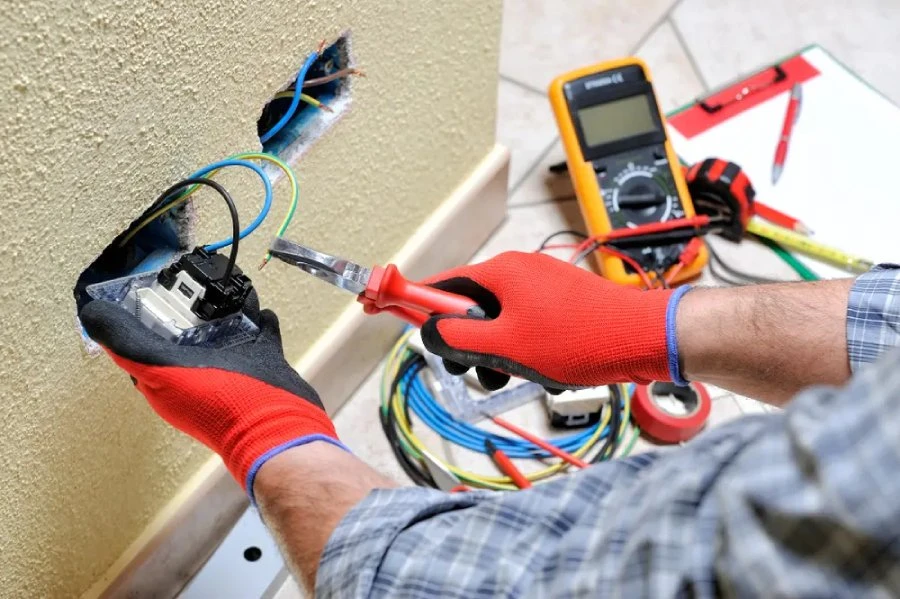
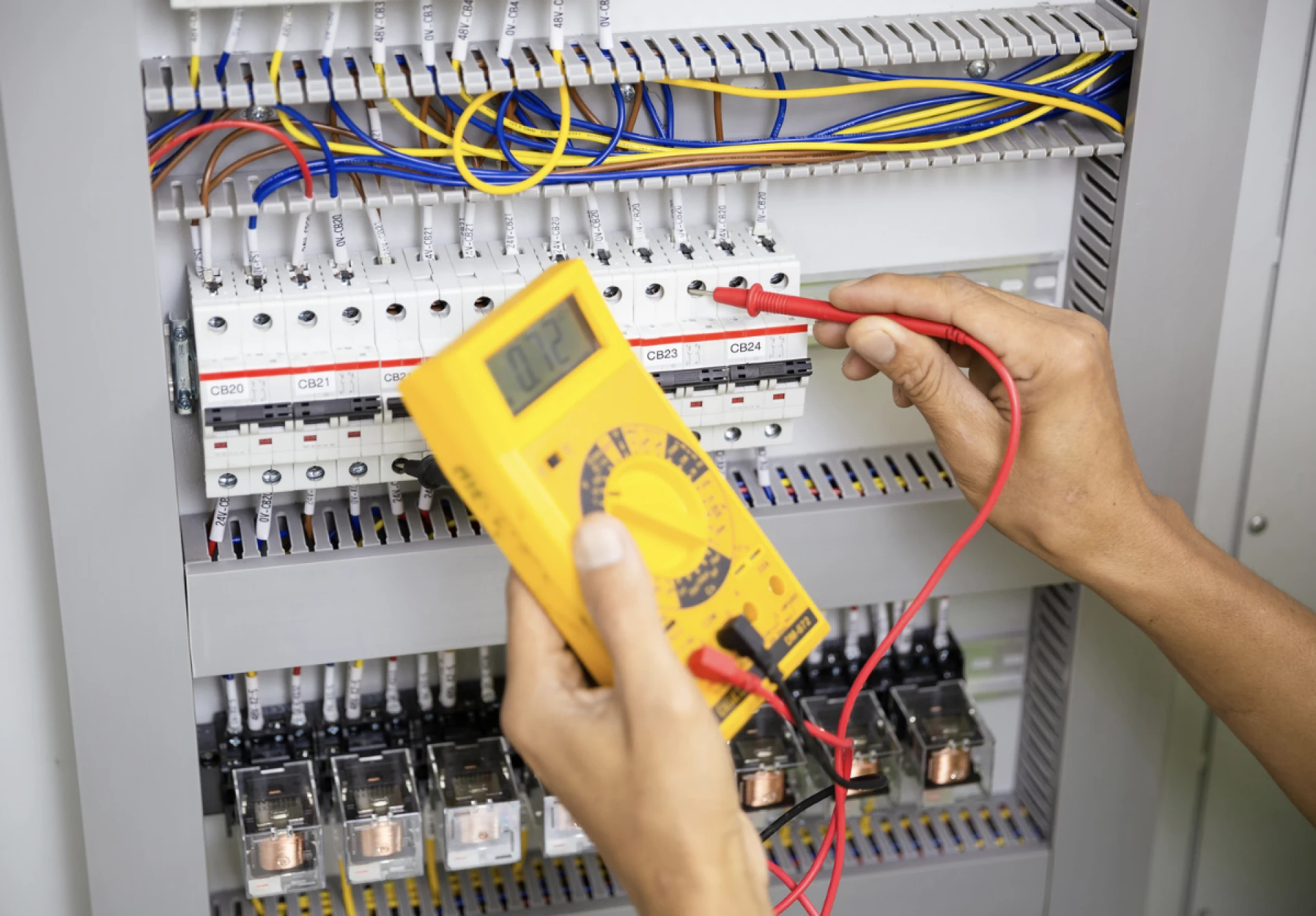
A strong risk control framework begins with identifying hazards across tasks, equipment, processes, and environmental conditions. Hazards can be physical, chemical, ergonomic, biological, electrical, or procedural. For example, exposed wiring can create electrical hazards, improper material handling may cause ergonomic injuries, and chemical leaks can threaten both employees and infrastructure. Identifying these hazards early helps safety teams understand where preventive action is needed.
The first step in developing an effective safety process is collecting detailed workplace information. This includes understanding workflows, reviewing standard operating procedures, inspecting machinery, analyzing previous incidents, and speaking with workers involved in day-to-day tasks. Employees often recognize operational risks that may not be visible during routine inspections. Their practical experience improves the accuracy of hazard recognition and supports stronger safety planning.
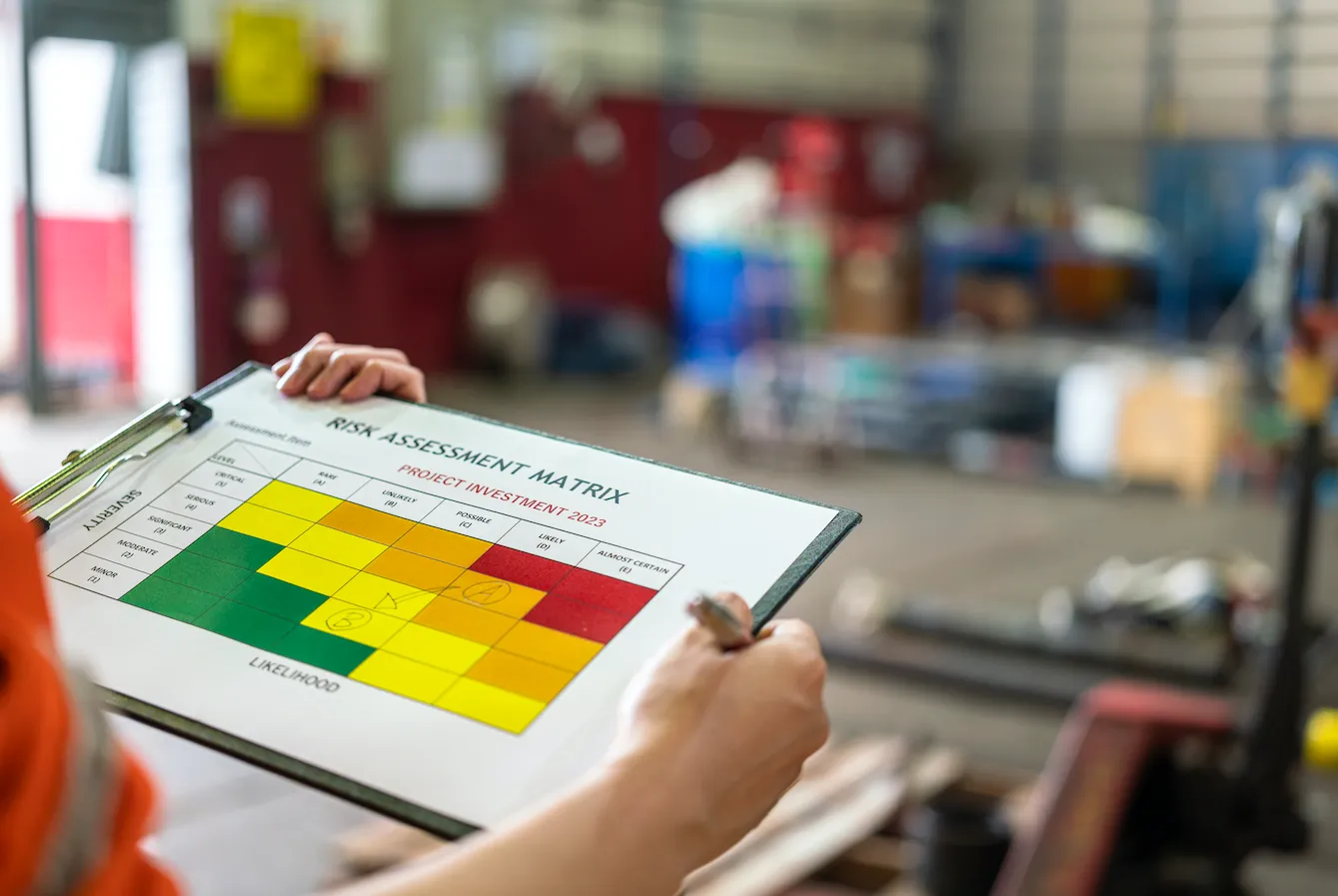
Once hazards are identified, they should be evaluated based on their likelihood and potential severity. This helps determine which risks require immediate intervention and which can be managed through monitoring or administrative control. Risk ranking improves decision-making by helping organizations allocate resources toward the most critical issues.
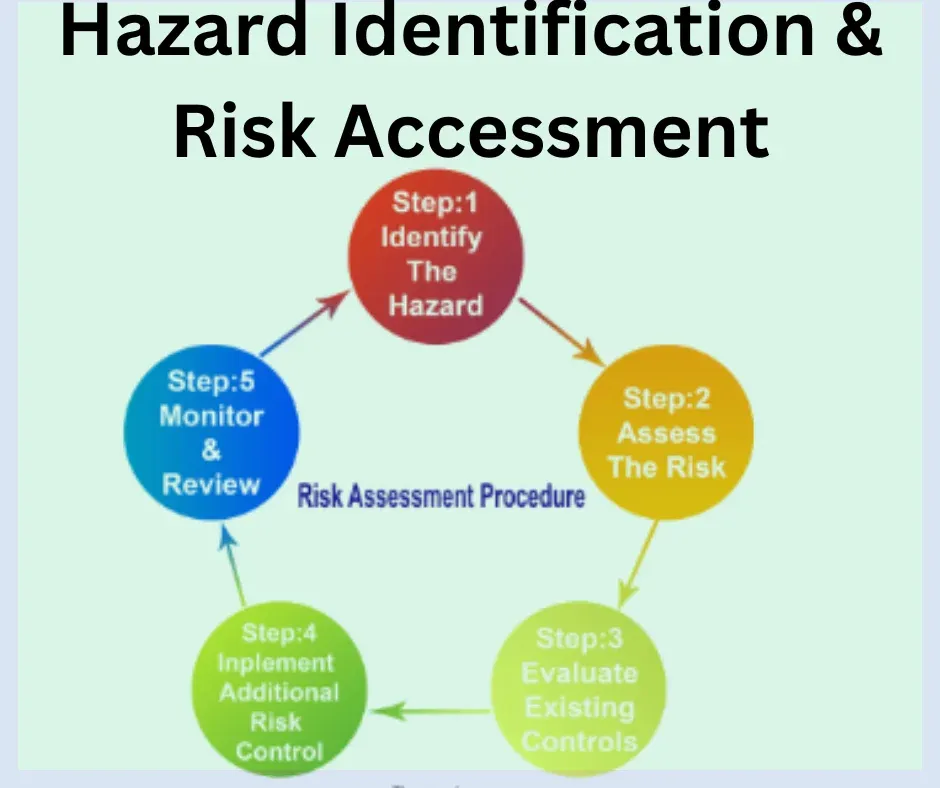
A widely used method for structured risk evaluation is HIRA. This process helps assess workplace hazards systematically by measuring the probability of occurrence and the consequences associated with each hazard. By documenting risk levels, safety professionals can create a clear roadmap for mitigation, compliance, and continuous monitoring.
After risk assessment, organizations must move toward selecting suitable control measures. The hierarchy of controls is often used to guide this process. Elimination is the most effective method, where the hazard is removed completely. If elimination is not practical, substitution may be considered, such as replacing hazardous chemicals with safer alternatives. Engineering controls like machine guards, ventilation systems, and automation reduce exposure. Administrative controls such as training, scheduling changes, and safety procedures also support risk reduction. Personal protective equipment acts as the final layer of defense when hazards cannot be fully controlled.
Risk control measures should always align with the nature of the hazard. For example, confined spaces may require gas detection, ventilation, and entry permits. Working at heights may demand fall arrest systems and structural inspections. Fire-related hazards require evacuation planning, extinguisher accessibility, and inspection of detection systems. Each control should directly address the identified exposure rather than relying on generalized safety actions.
Documentation is another essential component of a strong hazard-to-control process. Maintaining risk registers, inspection reports, corrective action logs, and safety observations ensures consistency and accountability. Well-documented records also help during audits, compliance checks, and incident investigations. When safety data is regularly updated, organizations can identify patterns and recurring issues more effectively.
Periodic review is necessary because workplace risks evolve over time. Equipment upgrades, process changes, workforce expansion, and environmental conditions can introduce new hazards. A risk assessment that was effective six months ago may no longer address current operational realities. Scheduled inspections, task observations, and reassessment activities help ensure controls remain relevant and effective.
Training also plays a major role in strengthening workplace risk management. Employees must understand how hazards affect their tasks, what preventive measures are in place, and how to respond during emergencies. Specialized learning programs like HAZOP Training support deeper understanding of process-related hazards, especially in industries handling complex systems, chemicals, and high-risk operations. Technical training helps teams improve hazard interpretation, procedural discipline, and emergency readiness.
Communication between departments is equally important when moving from hazard identification to risk control. Safety teams, supervisors, engineers, and workers should collaborate to evaluate operational risks from different perspectives. Cross-functional discussions often reveal hidden gaps that may be missed when assessments are performed in isolation. Shared responsibility strengthens implementation and improves long-term safety outcomes.
Monitoring the effectiveness of controls ensures that safety actions produce measurable improvement. Incident trends, near-miss reports, maintenance records, and worker feedback help evaluate whether controls are reducing exposure or whether further intervention is required. Continuous monitoring supports practical adjustments rather than relying on assumptions.
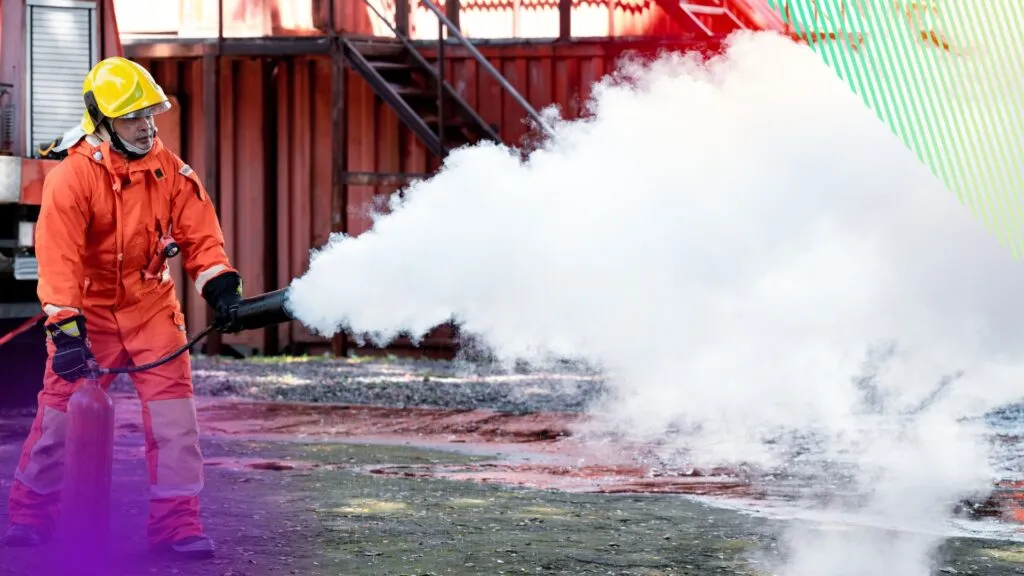
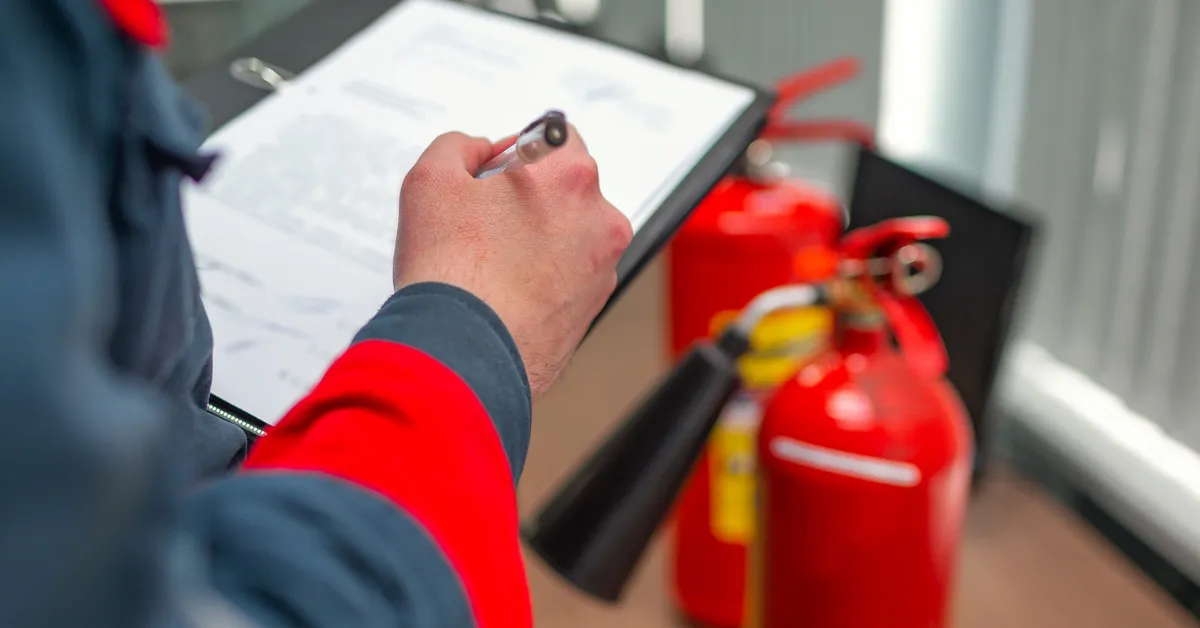
Fire-related hazards deserve dedicated assessment because they can escalate quickly and affect people, equipment, and infrastructure. Reviewing ignition sources, emergency exits, suppression systems, electrical loads, and combustible storage helps reduce fire-related risk. A structured Fire Audit can provide a detailed evaluation of these factors and identify control gaps that require attention.
Ultimately, building a strong hazard identification and risk control process requires consistency, technical understanding, worker participation, and regular reassessment. Safety is not achieved by isolated inspections or checklists alone. It depends on a structured approach that transforms identified hazards into practical, measurable controls. When risks are recognized early and managed systematically, organizations create safer workplaces, improve operational resilience, and reduce preventable incidents across all levels of work activity.


















Sign in to leave a comment.