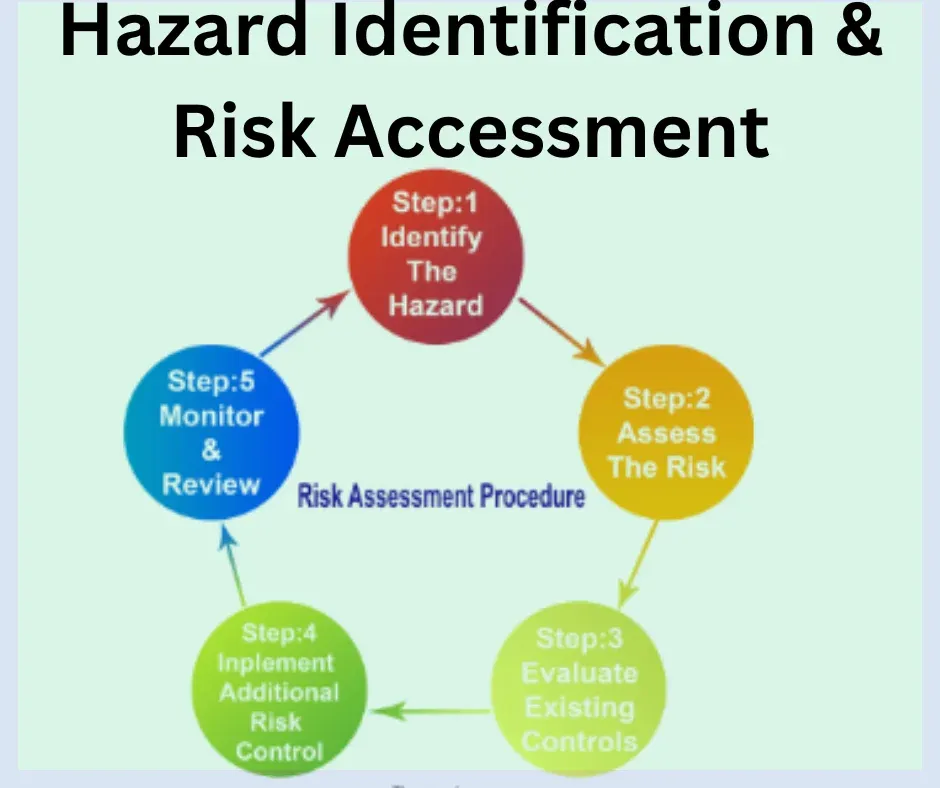


Workplace safety is not achieved by chance. It requires structured thinking, consistent evaluation, and a proactive approach toward identifying and controlling risks. One of the most effective methodologies used across industries for this purpose is Hazard Identification and Risk Assessment (HIRA). This systematic process focuses on identifying potential hazards, evaluating their associated risks, and implementing appropriate control measures before incidents occur. When applied correctly, it significantly improves workplace safety and reduces the likelihood of accidents.
Understanding the Role of Hazard Identification
Hazards exist in every workplace, whether in manufacturing plants, construction sites, offices, or chemical industries. These hazards can be physical, chemical, biological, ergonomic, or even psychological. The first step toward improving safety is recognizing that risks are often hidden in routine tasks.
Hazard identification involves observing work processes, analyzing equipment, reviewing past incidents, and consulting workers who are directly involved in operations. Employees often have first-hand knowledge of unsafe conditions, making their input valuable in identifying potential dangers that might otherwise go unnoticed.
By systematically identifying hazards, organizations can shift from a reactive approach—responding after accidents—to a proactive approach that prevents incidents before they occur. This shift is fundamental in building a safer work environment.
Risk Assessment: Prioritizing What Matters Most
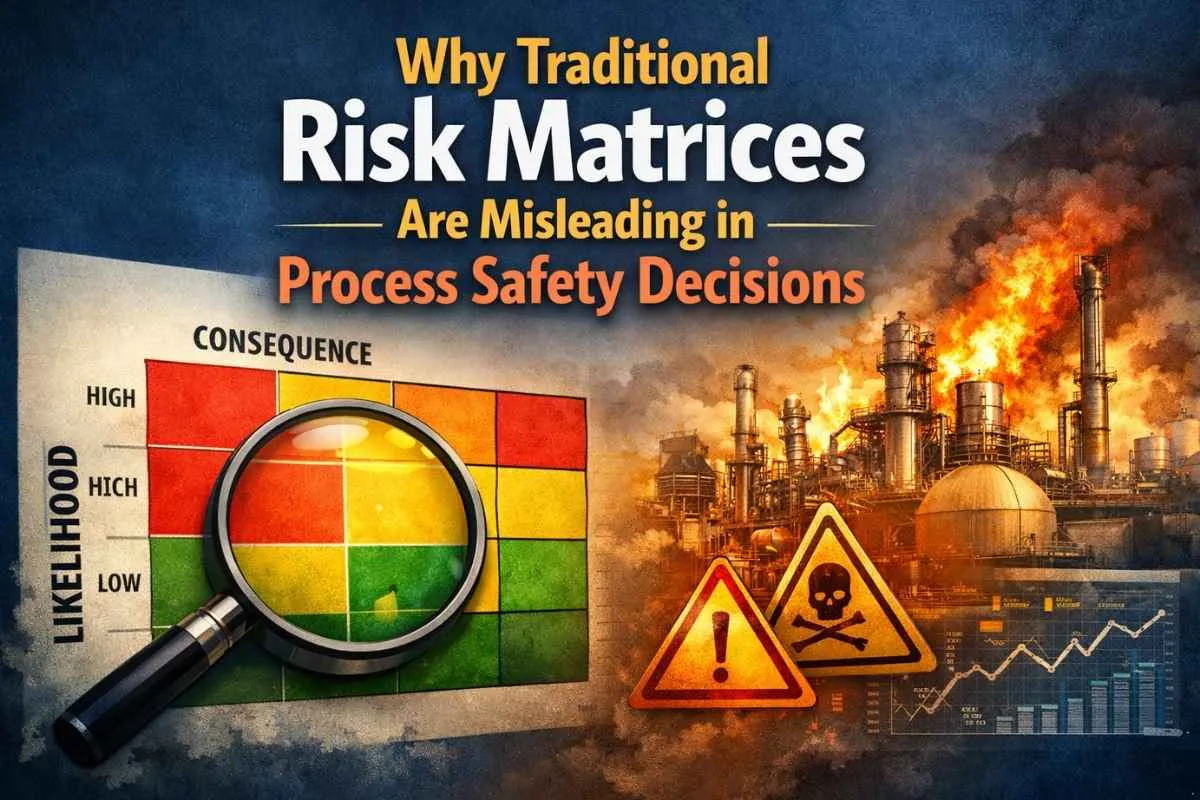
Once hazards are identified, the next step is to evaluate the level of risk associated with each hazard. Risk assessment considers two critical factors: the likelihood of an incident occurring and the severity of its consequences.
Not all risks are equal. Some hazards may have a low probability but severe consequences, while others may occur frequently but cause minor harm. Risk assessment helps organizations prioritize which hazards need immediate attention and which can be managed with routine controls.
This prioritization ensures that resources—time, effort, and investment—are allocated efficiently. Instead of spreading efforts thinly across all potential risks, organizations can focus on high-impact hazards that pose the greatest threat to safety.
Implementing Effective Control Measures
Identifying and assessing risks is only valuable if it leads to action. Control measures are the strategies implemented to eliminate or reduce risks to acceptable levels. These measures typically follow a hierarchy, starting with elimination and substitution, followed by engineering controls, administrative controls, and personal protective equipment.
For example, eliminating a hazardous chemical from a process is more effective than simply providing protective gear to workers. Similarly, redesigning equipment to reduce exposure to danger is more reliable than relying solely on procedural instructions.
By applying appropriate control measures, organizations can create layers of protection that significantly reduce the likelihood of accidents. This structured approach ensures that safety is built into the system rather than dependent on individual behavior alone.
Enhancing Safety Culture Through Structured Processes
A strong safety culture does not develop overnight. It is built through consistent practices, clear communication, and shared responsibility. Implementing processes like HIRA encourages employees at all levels to actively participate in safety management.
When workers are involved in identifying hazards and assessing risks, they become more aware of potential dangers and more committed to following safety protocols. This involvement fosters a sense of ownership, making safety a collective responsibility rather than a top-down directive.
Moreover, structured safety processes create transparency. Employees understand why certain measures are implemented and how they contribute to overall safety. This clarity reduces resistance and improves compliance with safety guidelines.
Reducing Human Error and Unsafe Practices
Human error is one of the leading causes of workplace accidents. Factors such as fatigue, lack of training, poor communication, and complacency can contribute to unsafe practices. A well-implemented risk assessment process helps identify situations where human error is likely and introduces controls to mitigate it.
For instance, clear standard operating procedures, proper training programs, and ergonomic workplace design can reduce the chances of mistakes. In high-risk industries, advanced techniques such as HAZOP Training further enhance the ability to identify deviations and potential failures in complex systems.
By addressing both technical and human factors, organizations can significantly reduce the occurrence of accidents caused by unsafe actions.
Continuous Monitoring and Improvement
Workplaces are dynamic environments where processes, equipment, and conditions change over time. A one-time assessment is not sufficient to ensure long-term safety. Continuous monitoring and periodic reviews are essential to keep risk management strategies effective.
Regular inspections, audits, and feedback mechanisms help identify new hazards and evaluate the effectiveness of existing controls. For example, conducting a Fire Audit can reveal gaps in emergency preparedness and fire protection systems, allowing organizations to address issues before they lead to incidents.
This ongoing process of evaluation and improvement ensures that safety measures evolve with changing conditions, maintaining a high level of protection for workers.
Building Trust and Accountability in Safety Systems
A structured approach to hazard identification and risk assessment also strengthens trust within the organization. Employees feel more confident when they see that safety is taken seriously and that risks are managed systematically.
Clear documentation of hazards, risk assessments, and control measures creates accountability. It ensures that responsibilities are defined and that actions are tracked. This transparency not only improves internal safety management but also demonstrates compliance with regulatory requirements.
Over time, this trust translates into better reporting of near-misses and unsafe conditions, providing valuable data for further improving safety practices.
Conclusion
Improving workplace safety requires more than compliance with regulations. It demands a proactive, structured, and continuously evolving approach to managing risks. Hazard identification and risk assessment provide a practical framework for achieving this goal.
By identifying hazards early, prioritizing risks effectively, implementing robust control measures, and fostering a strong safety culture, organizations can significantly reduce accidents. The result is not only a safer workplace but also improved efficiency, reduced downtime, and greater confidence among employees.
Safety is not a one-time effort but an ongoing commitment. When organizations integrate structured risk assessment processes into their daily operations, they create an environment where safety becomes a natural part of work rather than an afterthought.























Sign in to leave a comment.