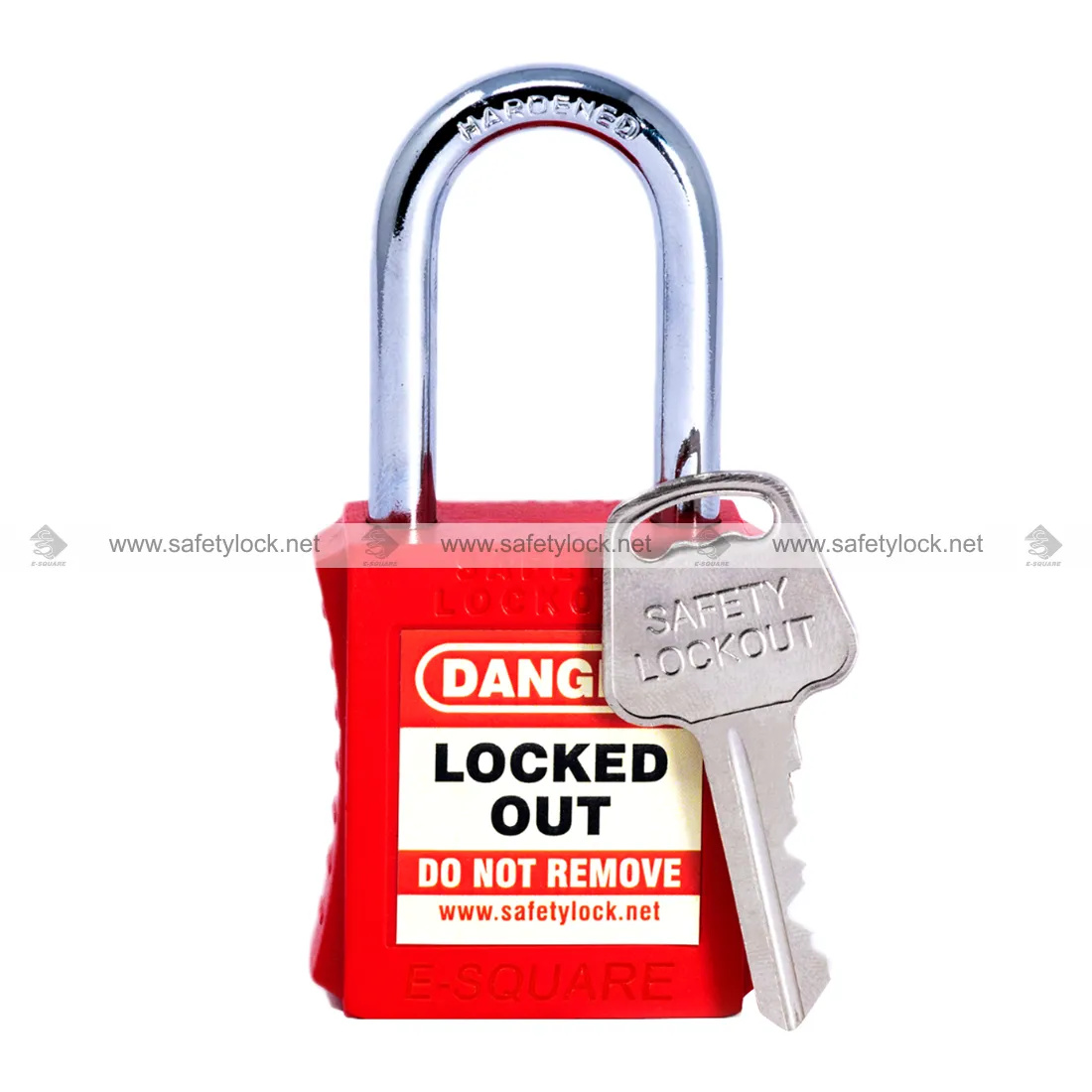

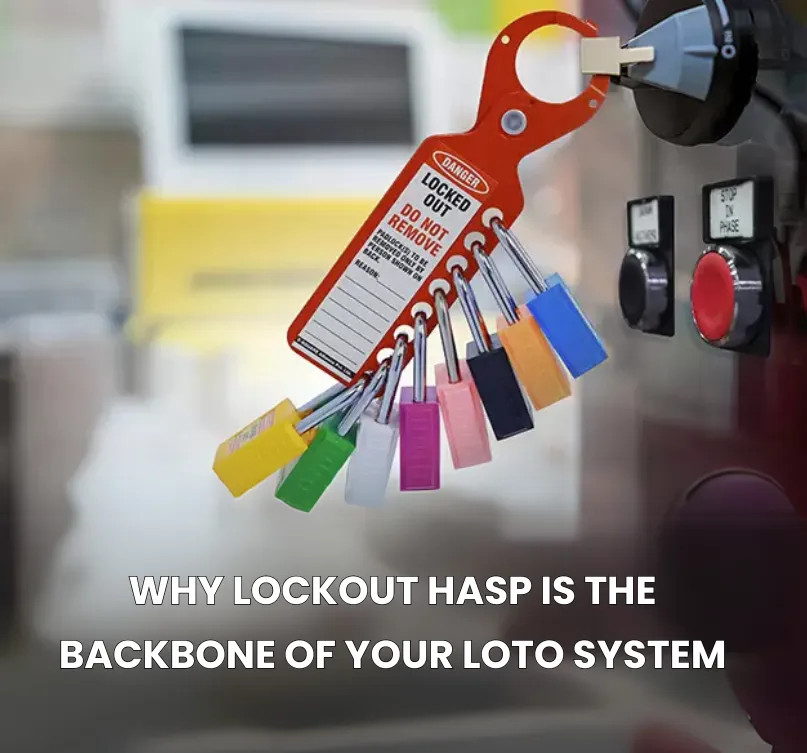
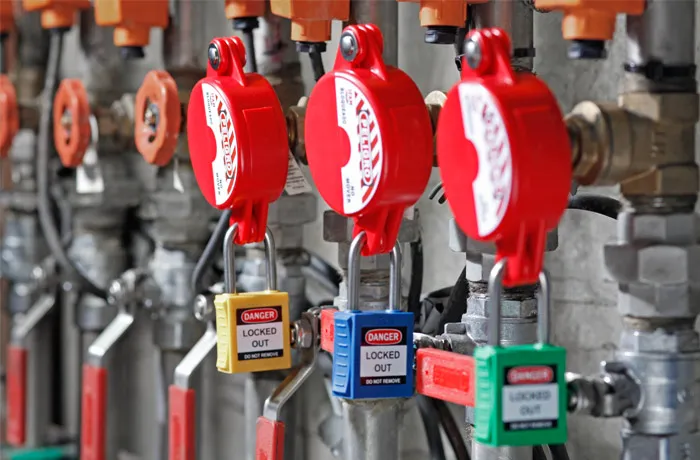
In the sprawling landscape of a modern industrial facility, it is easy to be mesmerized by the "big" things: the multi-million dollar turbines, the complex robotic arms, and the high-pressure steam lines. Yet, the most critical component in the entire safety ecosystem is often the smallest - a single lockout padlock. It is a tiny sentinel with a massive responsibility. When a technician is deep inside a machine, that lock is the only thing standing between a routine repair and a catastrophic, life-altering accident.

Selecting the right padlock isn't just a matter of picking something sturdy from a local hardware store. In fact, using a standard retail padlock for a Lockout Tagout program is like using a screen door on a submarine - it might look the part, but it will fail when the pressure is on.
1. The Integrity of Key Systems: Preventing Accidental Re-Energization
The primary "cost" of a LOTO failure is human life, but the secondary cost is a logistical and legal nightmare. Most standard padlocks found in retail are produced in "Keyed Alike" batches. This means there is a high probability that the key in Dave’s pocket can open the lock on Steve’s machine.
In a professional safety environment, this is a fatal flaw. Dedicated safety padlocks are engineered with high-security cylinders that ensure thousands of unique key changes. This adheres to the strict OSHA mandate of "One person, one lock, one key." By ensuring that no two workers can inadvertently open each other's locks, you eliminate the risk of a machine being re-energized while someone is still in the “line of fire.”
2. Engineering for the Environment: Material Science Matters
Manufacturing environments are rarely "office-clean." They are often corrosive, humid, or electrically charged. Choosing a padlock with the wrong material composition can lead to expensive equipment damage or injury:
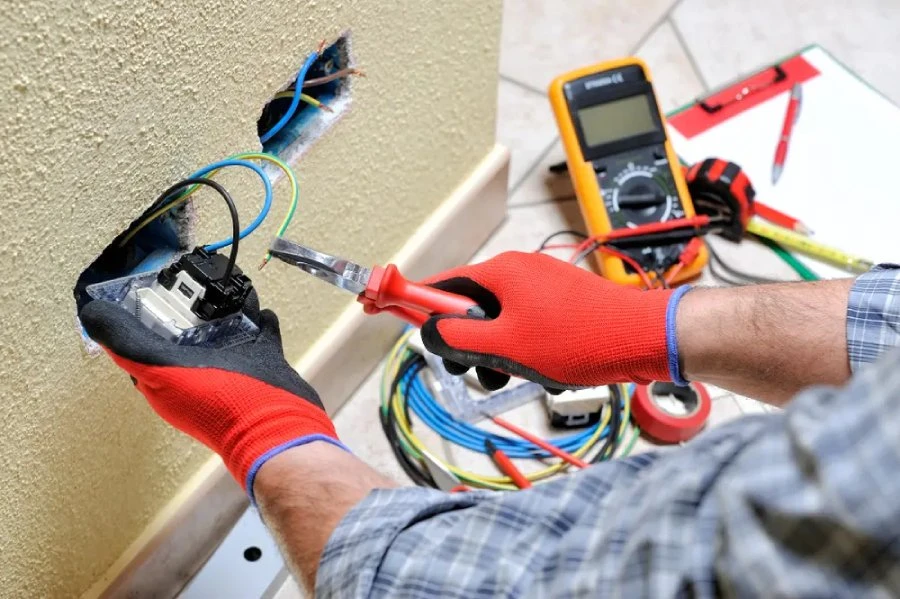
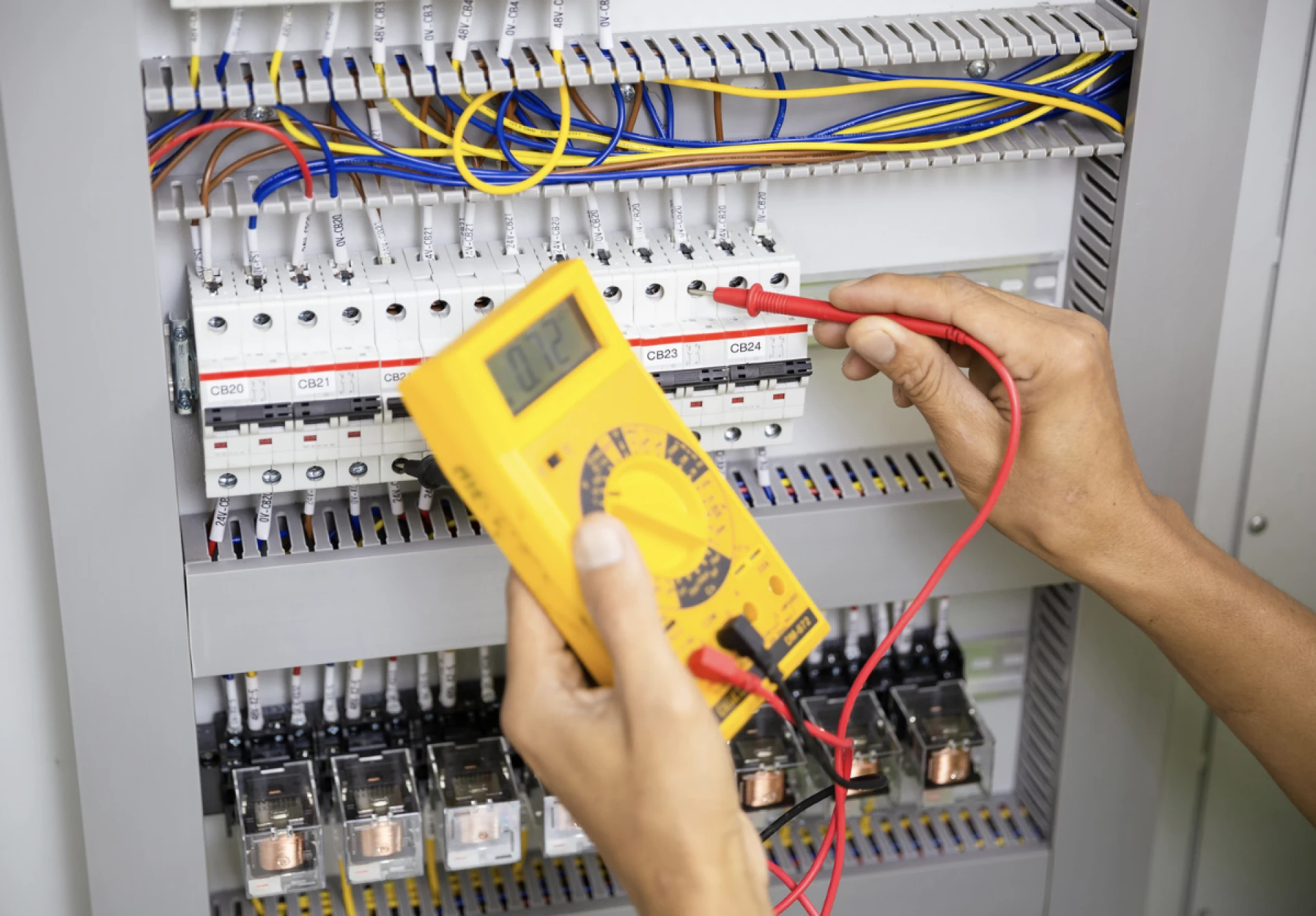
- Non-Conductive (Dielectric) Padlocks: Essential for electrical work. These nylon-bodied locks prevent the padlock itself from becoming a path for electricity, protecting the worker from arc flash or shock.
- Non-Sparking Materials: In refineries or grain elevators, a single spark from a steel shackle hitting a steel frame can cause an explosion. Brass or aluminum shackles are non-negotiable in these zones.
Chemical Resistance: Standard locks may seize or corrode in the presence of harsh cleaning agents or oils. A seized lock often leads to "forced removals" (cutting the lock), which creates a dangerous gap in the safety chain.
3. The Fail-Safe: The Key-Retaining Feature
One of the most valuable, yet overlooked, features of a dedicated safety padlock is key retention. In a high-stress environment, it is surprisingly easy for a worker to snap a lock shut without actually engaging the shackle, or to leave the lock open entirely while the key is still in their pocket.
A key-retaining safety padlock will not release the key until the shackle is fully closed and locked. This serves as a mechanical "checklist." If the technician has the key in their hand, they have the physical proof that the lock is secured. This simple feature prevents the "forgotten lock" accidents that cost companies millions in OSHA fines and litigation.
4. The Real ROI: Prevention Over Prosecution
When we talk about "costly accidents," the numbers are staggering. The average OSHA fine for a single LOTO violation can exceed $15,000, and for "willful" violations, that number can skyrocket to over $150,000. However, the legal fines are often dwarfed by the "soft costs":
- Downtime: A serious accident can shutter a production line for weeks during an investigation.
- Insurance Premiums: A single LOTO incident can cause workers' comp and liability insurance to surge.
- Reputation: In the age of social media, a safety failure can damage a brand’s ability to recruit talent and win contracts.
Conclusion: A Strategic Investment in Certainty
A lockout padlock is more than a piece of hardware; it is a physical manifestation of a company's safety culture. By investing in the right padlocks - those with unique keying, environmental resilience, and key-retaining features - facilities move from a "hoping for the best" strategy to a "guaranteeing the best" reality.
In the end, the cost of a premium safety padlock is a rounding error compared to the cost of a single mistake. Safety doesn't just protect people; it protects the future of the business.

















Sign in to leave a comment.