
Responsibility is something most parents spend years trying to teach.
They remind their children to finish homework, clean their room, pack their school bag, keep promises, and think before acting. Those reminders matter, but reminders alone rarely change a child.
Experience changes a child.
After teaching children throughout New York City for many years, one pattern appears repeatedly. The children who become more responsible are rarely the ones who receive the most lectures. They are the ones who begin seeing themselves as capable of handling responsibility.
That shift changes more than what happens during class. It changes how they carry themselves at school, at home, with friends, and in situations where nobody is standing over them telling them what to do.
Responsibility is built through experience
Children usually understand what responsibility means long before they practice it consistently.
Ask almost any child whether they should listen, respect others, tell the truth, or keep their word, and they will usually know the correct answer. Knowing the answer is different from living it.
Responsibility develops when children experience the results of their own choices. They learn that paying attention matters because someone is depending on them. They learn that arriving prepared makes everything easier. They learn that forgetting equipment affects the group, not only themselves. They learn that focus is not something adults ask for just to be strict. It is something that helps everyone around them succeed.
Those lessons stay with children because they are experienced rather than explained.
That is one reason parents are often surprised by what changes after training. Their child is not simply following instructions better. They are beginning to take ownership without needing to be reminded every time.
Small habits become part of everyday life
Responsibility rarely appears through one dramatic moment.
It usually develops through small routines repeated many times.
A child starts preparing their school bag the night before instead of waiting until the morning. They remember their uniform or training equipment without being asked. They become more reliable when working with partners because they understand that another person’s progress depends on their attention.
None of these changes happen because an instructor spends an hour talking about responsibility.
They happen because children repeatedly experience situations where preparation, focus, and accountability matter. Over time, those habits stop belonging only to martial arts training. They begin showing up at home, at school, and in everyday life.
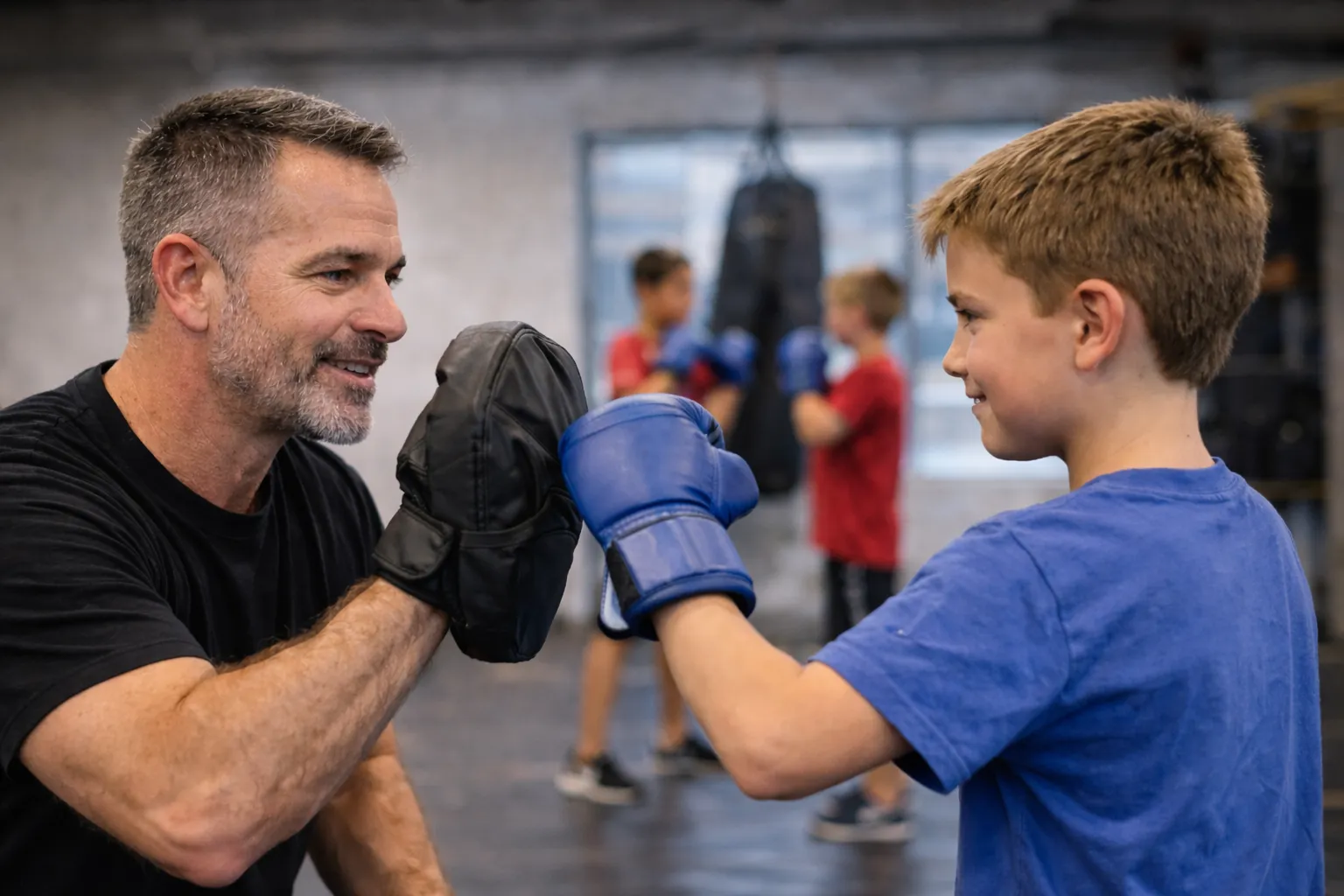
That is one of the quiet benefits of kids self-defense classes in NYC. The child may begin training to learn practical self-defense, but the structure of training also teaches responsibility through action.
Children begin thinking beyond themselves
One of the biggest differences parents notice is that children become more aware of how their actions affect other people.
Training is not an individual activity.
Students work with partners. They take turns. They listen to instructions. They learn how to control their power. They learn that goofing around can affect another student’s safety. They learn that paying attention is not only about themselves.
That experience changes how many children approach other areas of life.
Teachers may notice a student becoming more dependable during group projects. Parents may notice a child helping more at home without being asked several times. Coaches may notice a young athlete becoming a better teammate because they understand that responsibility includes supporting the people around them.
Families often begin looking for Krav Maga training in NYC because they want their child to learn self-defense. Months later, many discover that the habits developing outside the gym have become just as valuable.
A situation many parents recognize
A group assignment is announced at school.
One child waits for someone else to organize the work. Another child asks what needs to be done, understands their role, and takes responsibility for their part.
The difference is not always intelligence. It is ownership.
Children who become comfortable accepting responsibility stop waiting for someone else to solve every problem first. They learn to look at a situation and ask, “What is my part here?”
That change usually develops gradually. Parents often struggle to identify exactly when it happened. They simply realize that their child has become more dependable than they were a few months earlier.
That kind of growth matters because responsibility is not only about being obedient. It is about learning to carry a role.
Why parents notice the biggest changes at home
Parents see thousands of small moments that nobody else sees.
They notice when reminders become less frequent. They notice when homework gets finished with less argument. They notice when a child admits to making a mistake instead of looking for someone else to blame. They notice when a child becomes more careful with younger siblings, more prepared for school, or more willing to follow through on what they said they would do.
Those moments may not look connected to martial arts or self-defense from the outside.
At Krav Maga Experts, they are some of the most common conversations instructors have with families. Parents often start with a practical goal. They want their children to become safer, stronger, and more confident. As training continues, many begin noticing responsibility at home before they notice advanced techniques.
That is important. A child who becomes more responsible outside the gym is showing that the training is becoming part of who they are.
Responsibility changes confidence
Responsible children often become more confident for a simple reason.
People trust them.
Teachers trust them with greater responsibility. Parents give them more independence. Friends rely on them. Coaches expect more from them. That trust creates new opportunities, and those opportunities reinforce the child’s belief that they can handle more.
Confidence grows because responsibility grows first.
A child who learns to prepare, listen, follow through, and recover from mistakes begins to see themselves differently. They are no longer waiting for adults to manage every step. They are learning that their choices matter.
This is one reason martial arts training can be so useful for children. The confidence does not come from pretending to be tough. It comes from repeated proof that they can handle responsibility.
Responsibility requires accountability
Children do not become more responsible when every mistake is ignored.
They become more responsible when mistakes are handled clearly and fairly.
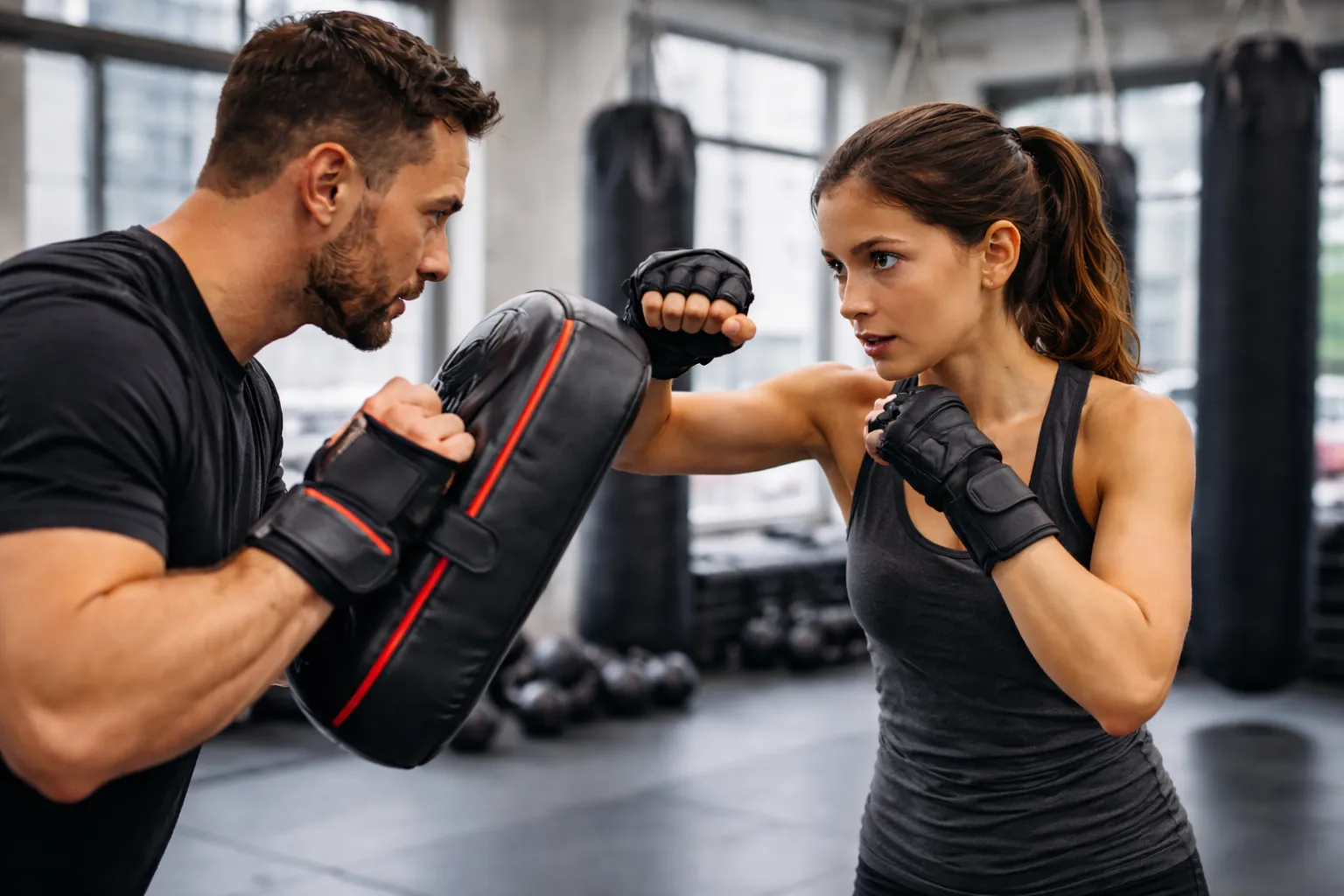
In training, a child may forget equipment, lose focus, interrupt a partner, or rush through a drill without control. A good instructor does not shame the child. The instructor brings the child back to the standard. The message is simple: your actions matter, and you are capable of doing better.
That kind of accountability is healthy for children.
It teaches them that mistakes are not the end of the world. It also teaches them that mistakes belong to them. They can correct them. They can repair them. They can come back more focused.
Parents often want their children to become independent, but independence without accountability becomes carelessness. Real independence grows when children understand that freedom and responsibility belong together.
The lessons extend far beyond the gym
Parents usually begin training with practical goals.
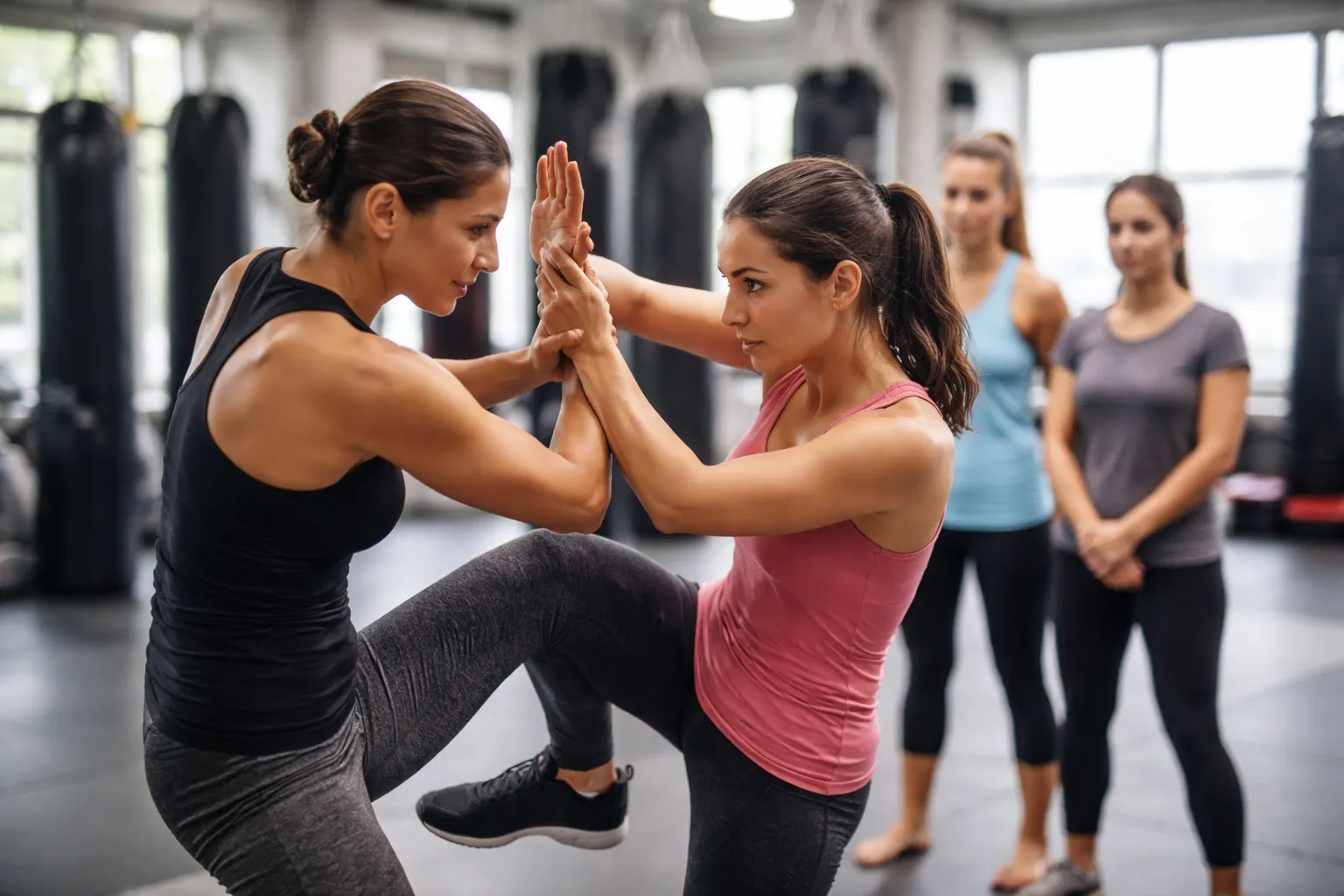
They want their children to become safer. They want them to build confidence. They want them to learn how to protect themselves if they ever need to. Those goals remain important.
Over time, many families begin talking about something else.
Their child has become more reliable. More accountable. More willing to take ownership of everyday situations without being reminded over and over again.
Those habits influence school, friendships, sports, family life, and eventually adulthood.
That is why children in NYC often become more responsible outside the gym. The techniques continue improving, but the habits children build through Krav Maga and martial arts training often become the lessons that last the longest.
FAQs
How does Krav Maga help children become more responsible?
Krav Maga helps children become more responsible by giving them regular opportunities to prepare, listen, work with partners, solve problems, control their actions, and take ownership of their choices. Those habits often carry into school, home, and everyday life.
Why do parents notice responsibility before advanced techniques?
Parents notice responsibility first because it appears in daily routines. A child may become more prepared, more dependable, more accountable, and more willing to follow through before advanced physical skills become obvious.
Can Krav Maga improve responsibility at school?
Yes. Many parents notice that children who train consistently become more dependable at school, especially during group work, classroom activities, and situations where they need to manage their own behavior.
Why does responsibility build confidence?
Responsibility builds confidence because dependable children earn more trust. When parents, teachers, coaches, and friends trust a child with more independence, the child begins to believe they can handle more.
What changes first after children begin training?
Many families notice improvements in responsibility, independence, listening, preparation, and everyday habits before major physical changes become obvious.
Are kids self-defense classes in NYC only about physical skills?
No. Kids self-defense classes in NYC should teach more than physical techniques. Strong training also helps children build awareness, responsibility, confidence, emotional control, and better decision-making.
Is martial arts training good for children who struggle with responsibility?
Yes, when the training environment is structured and consistent. Martial arts training gives children repeated chances to practice focus, preparation, self-control, accountability, and respect for others.





















Sign in to leave a comment.