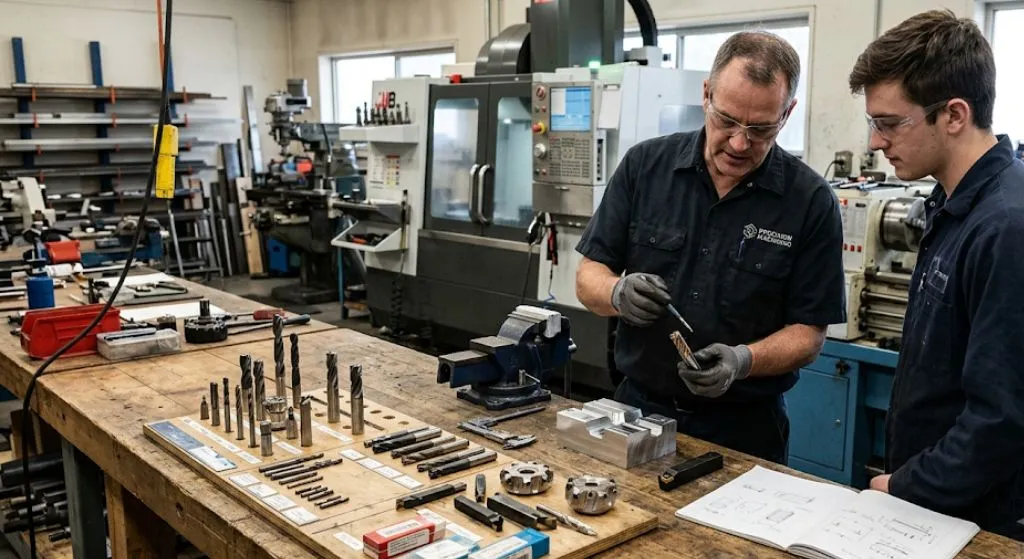
Cutting tools are an important part of machining and manufacturing operations. They help shape, cut, drill, and finish different materials with accuracy. For businesses, keeping the right tools available can help reduce production delays and support efficient machining work.
However, purchasing new tooling for every application can become expensive. In some situations, surplus cutting tools can provide another option for businesses looking for useful tooling at a potentially lower cost.
What Are Surplus Cutting Tools?
Surplus cutting tools are tools that are no longer needed by the original owner but may still be suitable for machining applications. They can come from excess inventory, production changes, equipment upgrades, or businesses that have changed their manufacturing requirements.
Common examples include:
- Carbide inserts
- End mills
- Milling cutters
- Drills
- Turning tools
- Tool holders
- Other machining accessories
The condition and specifications of surplus tools can vary, so buyers should always review the product details before purchasing.
Understanding Carbide Inserts
Carbide inserts are commonly used in machining because they are designed to handle demanding cutting applications. Different inserts are made for different materials, cutting conditions, and machining operations.
Businesses looking for surplus carbide inserts should pay attention to important details such as the insert grade, shape, size, coating, manufacturer, and intended application.
Having the correct insert is important because using the wrong type can affect cutting performance, tool life, and the quality of the finished part.
What Are End Mills Used For?
End mills are rotating cutting tools commonly used with milling machines and machining centers. They can be used for tasks such as slotting, profiling, contouring, and removing material.
When considering surplus end mills, buyers should check the tool diameter, flute configuration, overall length, material, coating, and other relevant specifications.
The right tool depends on the material being machined and the type of operation being performed.
Why Consider Surplus Tooling?
Surplus tooling can offer practical benefits when the tools match the requirements of a particular machining application.
Potential benefits include:
- Access to specific tooling
- Opportunity to reduce tooling costs
- Availability of older or less common tools
- Additional options for maintenance and production needs
- Reduced waste from unused inventory
However, price should not be the only consideration. The tool's condition, specifications, compatibility, and intended application should also be reviewed.
How to Check Surplus Cutting Tools
Before purchasing surplus tooling, carefully review the available product information. Check the manufacturer, part number, dimensions, quantity, and condition.
For used tools, look for information about wear or previous use when available. For unused surplus tools, check whether the original packaging is included.
Clear product information helps buyers make better purchasing decisions and reduces the chance of ordering the wrong tooling.
Choosing an Experienced Industrial Supplier
Working with an industrial supplier that understands machining and tooling can make sourcing easier. A knowledgeable supplier can provide information about available products and help customers identify the specifications they need.
VB Industrial Supply offers a range of industrial tooling and equipment, including cutting and machining-related products. Businesses can explore available inventory and contact the company when they need help identifying industrial parts or tooling.
Make Smarter Use of Surplus Inventory
Surplus cutting tools do not necessarily mean unwanted or unusable tools. In many cases, they may provide another sourcing option for businesses that need specific machining products.
The key is to understand the tool's specifications, condition, and intended application before making a purchase. Taking the time to compare these details can help businesses find tooling that fits their requirements.
For manufacturers, machinists, and industrial maintenance teams, surplus inventory can provide additional choices while helping useful products remain in circulation.
Frequently Asked Questions
1. What are surplus carbide inserts?
Surplus carbide inserts are excess carbide inserts that are no longer needed by their original owner. Their condition, specifications, and availability can vary.
2. Are surplus end mills suitable for machining?
They may be suitable when their size, material, coating, flute design, and condition match the intended machining application.
3. What should I check before buying surplus cutting tools?
Check the manufacturer, part number, dimensions, tool type, condition, quantity, and specifications to make sure the tool matches your application.
4. Can surplus tooling help reduce costs?
Surplus tooling may provide a more economical sourcing option in some situations, but buyers should compare condition, specifications, and overall suitability rather than focusing only on price.
5. Where can businesses find industrial cutting tools?
Businesses can source cutting tools through industrial suppliers and equipment dealers that carry machining and tooling products. VB Industrial Supply offers industrial tooling and related equipment for different industrial applications.
























Sign in to leave a comment.